






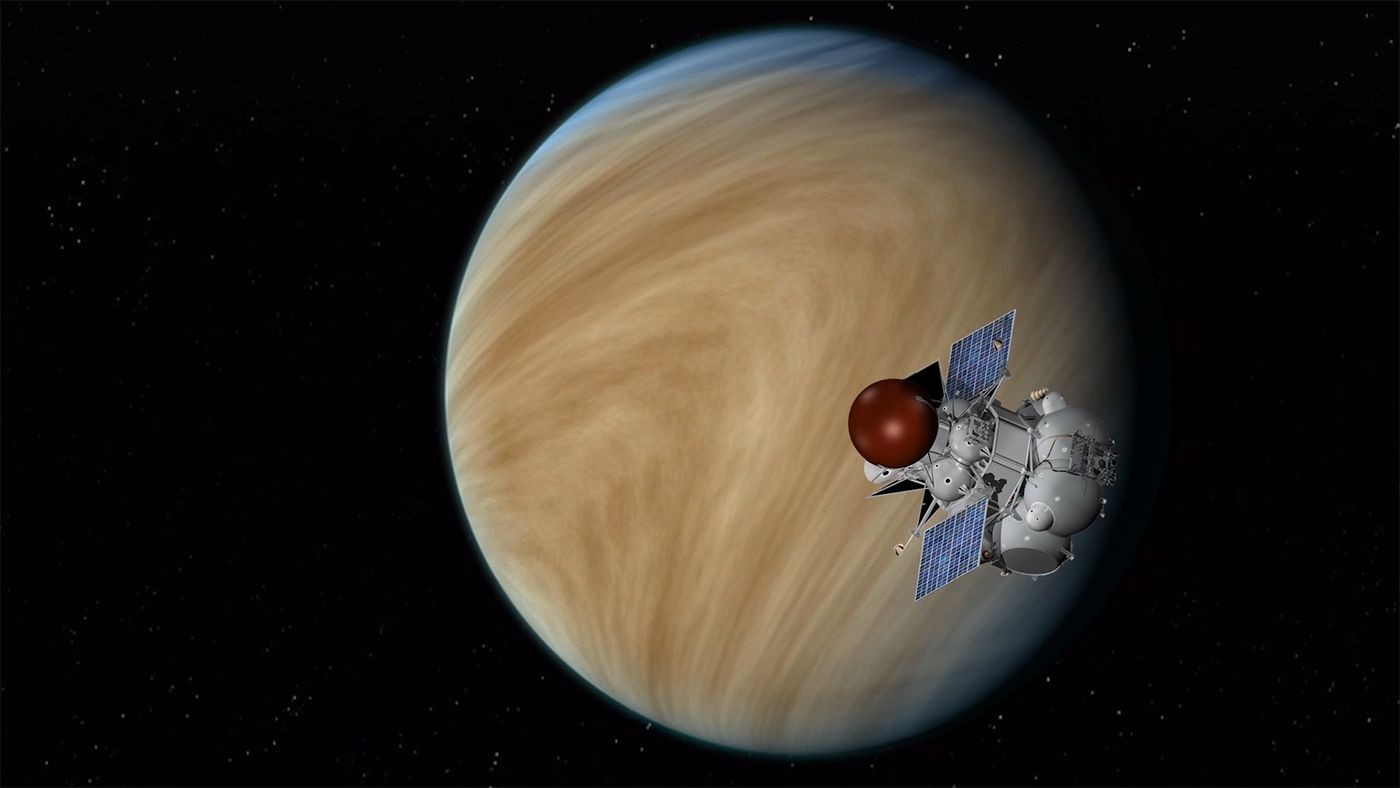
Росія готується до амбітного повернення до дослідження Венери, плануючи запуск місії Венера-Д в 2036 році. Ця багатокомпонентна місія, що включає посадковий модуль, аеростат та орбітальний апарат, сигналізує про відновлені зусилля Роскосмосу щодо відновлення історичного домінування країни в галузі планетарних досліджень.
Історичний Контекст та Радянська Спадщина
Місія Венера-Д спирається на спадщину піонерських досліджень Венери Радянським Союзом з 1960-х по 1980-і роки. СССР залишається єдиним суб’єктом, якому вдалося успішно посадити та експлуатувати космічні апарати на сумно відомої суворої поверхні Венери. Це включає зонд «Венера-7» у 1970 році, який передавав дані, витримуючи температури 480°C і тиск у дев’яносто разів перевищує земне.
Радянська програма запустила понад дюжину місій на Венеру за два десятиліття, що призвело до безлічі успішних посадок, які продемонстрували вулканічні породи планети та насичену сірчаною кислотою атмосферу. Цей успіх підкреслює давню технічну здатність Росії у планетарних місіях в екстремальних умовах.
Нова Місія: «Венера-Д»
Запланована місія “Венера-Д” – не нова ідея; розробка розпочалася у 2003 році. Проект, що спочатку замислювався як спільне підприємство з NASA, тепер просувається незалежно після вторгнення на Україну в 2022 році і припинення співпраці США, що послідувало за цим.
За словами російських офіційних осіб, Венера та Місяць тепер перебувають у центрі уваги Роскосмосу. Цілі «Венери-Д» включають пошук потенційного мікробного життя в хмарах Венери. Це слідує за недавніми, хоч і спірними, відкриттями фосфіну та аміаку в атмосфері планети – сполук, які можуть бути ознаками біологічної активності.
Геополітичні Наслідки та Динаміка Космічної Перегони
Зусилля Росії у напрямку Венері відбуваються над вакуумі. NASA, Європейське космічне агентство та Японія також запускали в останні десятиліття орбітальні апарати Венери. Цей зростання інтерес до дослідження Венери серед провідних космічних держав передбачає можливе відродження динаміки космічних перегонів.
«Ще у 1970 році наша країна успішно посадила космічний апарат на іншу планету у Сонячній системі. І то була Венера. Тому, швидше за все, ми рушимо саме в цьому напрямі», – заявив перший заступник прем’єр-міністра Денис Мантуров, наголосивши на прихильності Росії до відновлення своїх космічних можливостей.
Місію можна розглядати як частину ширшої стратегії Росії щодо підтримки свого становища провідної космічної держави, особливо враховуючи проблеми, пов’язані з міжнародними санкціями та геополітичними альянсами, що змінюються.
Висновок
Російська місія «Венера-Д» є свідомою спробою відродити історичну силу в планетарних дослідженнях. Проект не лише науковий, а й стратегічно важливий, сигналізуючи про визначення Москви залишатися великим гравцем у космосі, незважаючи на геополітичні обмеження. Повертаючись до Венери, Росія прагне підтвердити свою технологічну майстерність та повернути спадщину космічного домінування Радянського Союзу.