For decades, researchers have observed a curious biological trend: populations living in high-altitude regions, such as the Andes or the Himalayas, tend to have significantly lower rates of diabetes. While the connection between thin air and metabolic health was well-documented, the biological “why” remained a mystery.
New research suggests the answer lies not in the lungs or the pancreas, but in our red blood cells.
The Mystery of the Disappearing Glucose
The investigation began with a pattern observed in mice. When exposed to hypoxia —a state where oxygen levels are insufficient—the mice showed a marked drop in blood glucose.
Initially, scientists assumed this happened because muscles and organs were consuming more sugar to compensate for the lack of oxygen. However, imaging scans revealed a gap: the glucose was disappearing from the bloodstream, but it wasn’t showing up in the major organs. This suggested that the sugar was being consumed by something else entirely—specifically, the cells circulating within the blood itself.
Red Blood Cells: The Body’s New Glucose Consumers
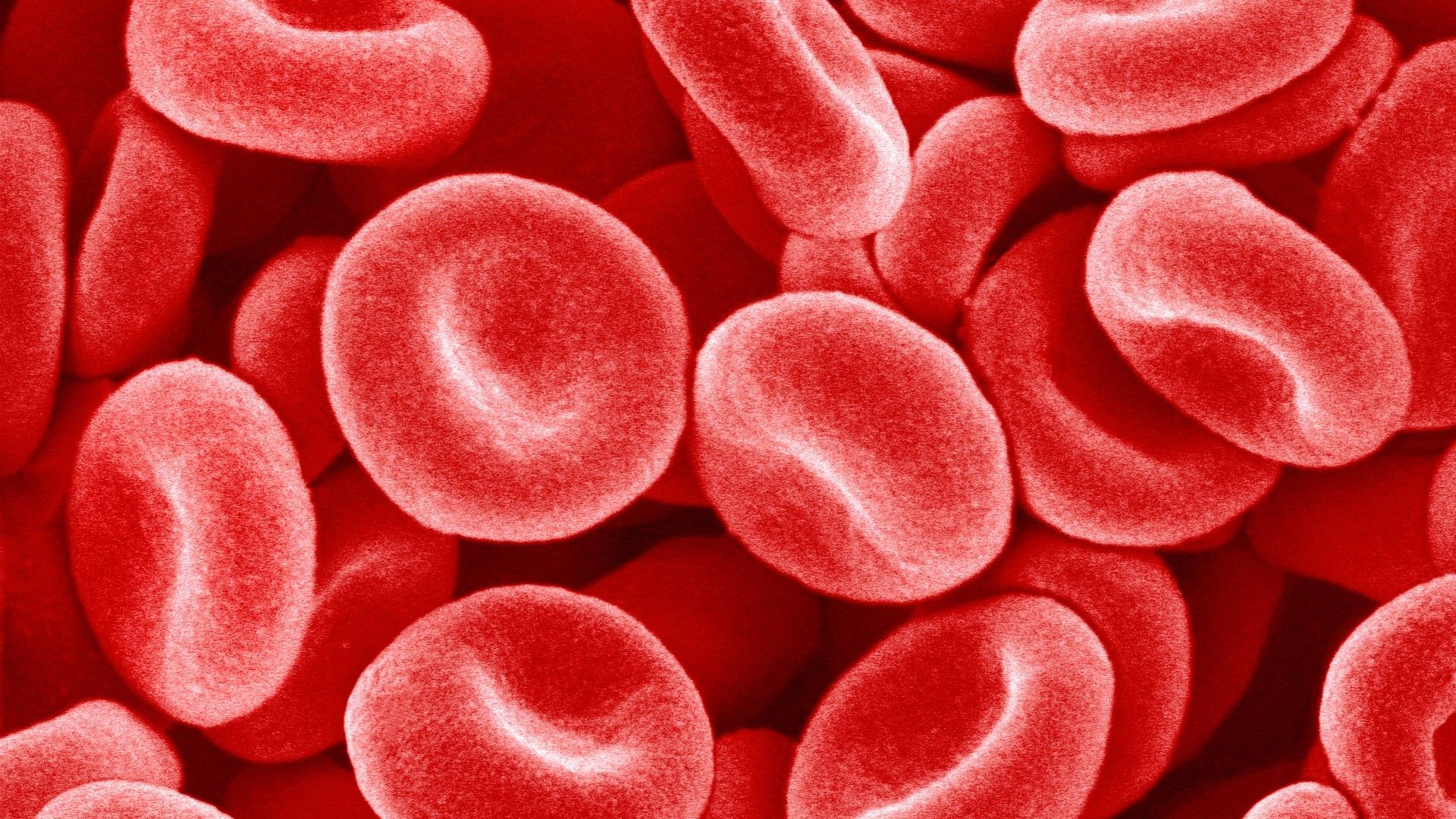
To test this, researchers led by biochemist Isha Jain at the Gladstone Institutes and UCSF conducted a series of controlled experiments. By manipulating red blood cell (RBC) counts, they discovered a direct link between RBC volume and blood sugar regulation:
- The Removal Test: When researchers removed excess red blood cells from mice in low-oxygen environments, the glucose-lowering effect vanished.
- The Transfusion Test: When mice in normal oxygen environments were given extra red blood cells, their blood sugar levels dropped.
The study found that red blood cells produced in low-oxygen conditions undergo a structural and functional transformation. These “new” cells contain roughly twice as much GLUT1 (a protein that acts as a gateway for glucose) and consume roughly three times more sugar than standard cells.
A Clever Evolutionary Trade-off
This isn’t just about fuel; it’s about survival. The researchers discovered that these specialized red blood cells convert glucose into a specific molecule that binds to hemoglobin.
This process creates a sophisticated feedback loop: the glucose is used to help hemoglobin release oxygen more efficiently into body tissues. Essentially, the body sacrifices sugar to ensure that vital organs receive enough oxygen in an oxygen-scarce environment. This is an evolutionarily conserved mechanism —a built-in survival tactic designed to optimize oxygen delivery when the air is thin.
From Altitude to Pharmacy: Future Implications
The implications of this discovery extend far beyond high-altitude biology. If the body can be “tricked” into mimicking these metabolic changes, it could lead to entirely new ways of treating diabetes.
The research team even tested an experimental compound called HypoxyStat. This drug mimics hypoxia by changing how hemoglobin binds to oxygen. In mice, this helped regulate blood sugar levels by stimulating the body’s natural response to low oxygen.
“The work highlights the important role that red blood cells can play in diabetes regulation,” says study lead author Isha Jain. “That’s the concept to be targeted in the future.”
Note of Caution: While the results in mice are promising, experts warn that much more testing is required. Moving from animal models to human clinical trials is a significant hurdle, and the safety of mimicking oxygen deprivation via drugs remains a critical question for future research.
Conclusion
By uncovering how red blood cells consume glucose to aid oxygen transport, scientists have identified a potential new metabolic pathway. This discovery shifts the focus of diabetes research toward the blood’s cellular mechanics, offering hope for future treatments that mimic the natural protective effects of high altitudes.