
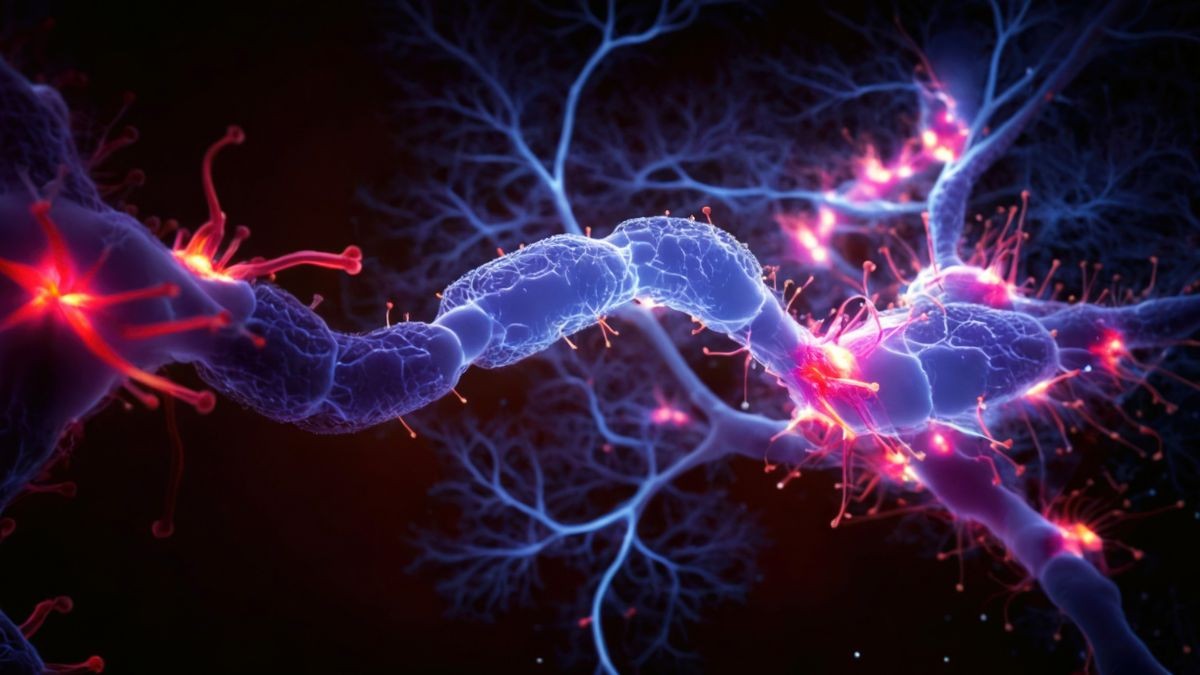

A groundbreaking study has uncovered a critical pathway in brain cell death, stemming from an ultra-rare genetic mutation that causes neurodegeneration in children. The findings suggest that this mechanism, known as ferroptosis, may also play a significant role in more common neurodegenerative diseases like Alzheimer’s, Parkinson’s, and Huntington’s.
The Discovery: A Deadly Mutation in GPX4
Researchers at Helmholtz Munich, Germany, focused on Sedaghatian-type spondylometaphyseal dysplasia (SSMD), a genetic disorder first identified in 1980. With only a few dozen documented cases worldwide, SSMD causes severe brain and skeletal abnormalities, often leading to death in early infancy. Genome sequencing revealed that mutations in the GPX4 gene are central to the disease.
Why this matters: The GPX4 enzyme acts as a crucial defense against ferroptosis, a form of programmed cell death triggered by iron accumulation and oxidative damage to cell membranes. When the enzyme is dysfunctional due to mutation, neurons become highly vulnerable.
How It Works: A Broken Cellular Shield
The study, conducted in mice and human brain cells grown in the lab (organoids), demonstrated that the mutated GPX4 enzyme loses its ability to protect cell membranes. According to cell biologist Marcus Conrad, the enzyme is like a “surfboard” that rides along cell membranes, neutralizing toxic lipid peroxides. But when mutated, the “fin” is missing, rendering it unable to perform its protective function.
Researchers observed that blocking ferroptosis with chemical compounds slowed neural death in both mice and lab-grown cells. This suggests that ferroptosis isn’t just a side effect of neurodegeneration, but a driving force behind it.
Implications for Dementia Research
Traditionally, dementia research has focused on protein deposits (amyloid plaques) in the brain. However, this study shifts the focus to the underlying damage to cell membranes that initiates the degenerative process. The findings indicate that stabilizing cell membranes may be a viable therapeutic strategy for dementia.
Childhood dementia, though rare, highlights how neurodegeneration can begin early in life. Genome studies have linked it to over 100 rare genetic disorders. Investigating these tragic cases provides critical insights into how neurodegeneration occurs.
The Long Road to Understanding
Conrad emphasizes that this discovery took nearly 14 years of research, highlighting the importance of long-term funding for basic science and international collaboration. The study underscores that a deeper understanding of complex diseases like dementia requires sustained effort.
In conclusion, this research sheds light on a previously unrecognized mechanism of brain cell death, offering a new avenue for understanding and potentially treating neurodegenerative diseases. The insights gained from studying this rare genetic mutation could have far-reaching implications for millions affected by dementia and other neurological conditions.