




The UK government has announced sweeping changes to animal welfare standards in England, including a ban on hen cages and pig farrowing crates. These reforms, described by Environment Secretary Emma Reynolds as “the most ambitious animal welfare strategy in a generation,” aim to improve conditions for farmed animals and address controversial practices like puppy farming and trail hunting.
Key Changes to Farming Practices
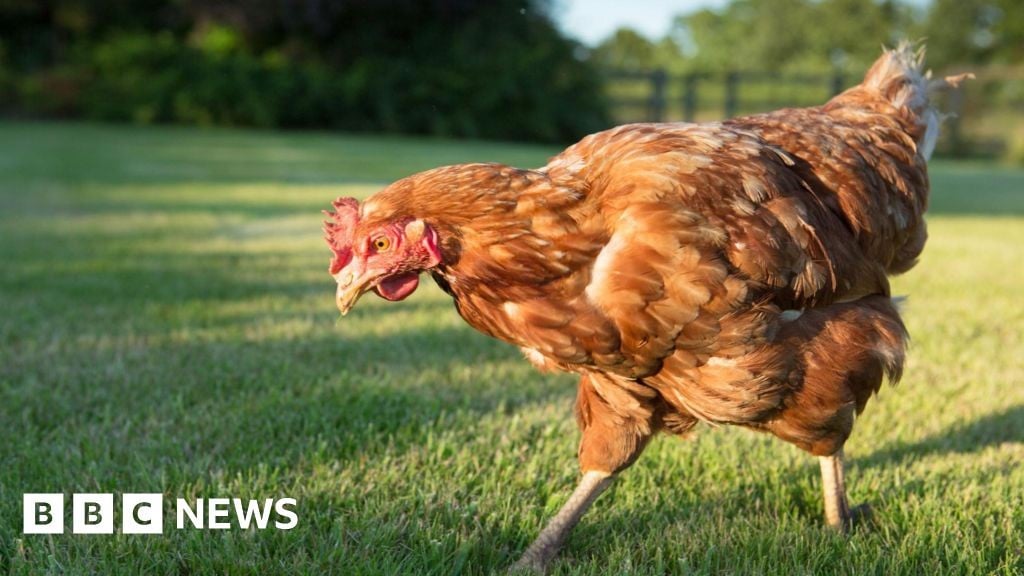
The upcoming legislation will outlaw the use of both conventional battery cages and larger “colony cages” for hens, effectively ending caged egg production entirely. Currently, approximately 80% of hens in the UK are already free-range, but this new law will close the remaining gap. Similarly, pig farrowing crates—devices used to restrict sows during birth to prevent them from accidentally crushing their piglets—will also be prohibited. Animal welfare groups like Compassion in World Farming UK have hailed the move as “raising the bar” for farmed animal welfare.
However, the National Farmers’ Union (NFU) has raised concerns about unfair competition. President Tom Bradshaw warns that without equivalent import standards, British farmers will struggle to compete with cheaper goods from countries with lower welfare regulations. The NFU argues that failing to address this issue will simply shift inhumane practices overseas, rather than eliminating them.
Controversial Practices Under Scrutiny
Beyond caged farming, the government is considering a ban on what activists call “Frankenchickens”—fast-growing broiler breeds selected for rapid weight gain, often leading to health problems. The strategy also targets puppy farming, where dogs are bred in poor conditions for profit, producing multiple litters per year. While licensing already exists for breeders selling three or more litters annually, the new rules aim to eliminate loopholes and provide stricter oversight.
Hunting and Trapping Restrictions
The reforms extend to the countryside, with proposed bans on snare traps and trail hunting. Trail hunting—often used as a legal substitute for traditional fox hunting—involves laying a scent trail for hounds to follow, but critics argue it can still lead to live animals being pursued. Despite previous legislation banning fox hunting in 2004, concerns remain that trail hunting is sometimes used as a cover for illegal activity. The Countryside Alliance vehemently opposes these measures, calling them a “pointless and divisive issue” that ignores the needs of rural communities.
The Bigger Picture
These reforms reflect growing public demand for higher animal welfare standards. The UK has long been a leader in this area, but the effectiveness of the changes hinges on consistent enforcement and fair trade practices. Without equal standards for imported goods, the impact will be limited. The debate over these policies underscores the tension between economic realities and ethical concerns in modern agriculture and land management.
The government plans to consult on the proposed trail hunting ban in 2026, signaling a long-term commitment to these animal welfare initiatives.