



A new generation of blood tests promises to revolutionize cancer screening, potentially detecting multiple forms of the disease at earlier, more treatable stages. Researchers at Harvard have modeled the long-term effects of implementing these tests into routine medical care, and the results suggest a dramatic shift in cancer detection timelines.
The Problem with Late-Stage Diagnosis
Currently, roughly half of all cancer cases in the U.S. are diagnosed when the disease has already advanced. This late-stage diagnosis means treatment is often less effective and survival rates plummet. Existing routine screenings cover just four types of cancer: breast, cervical, colorectal, and lung. This leaves approximately 70% of new cancer cases without a dedicated screening method, leading to delayed detection until symptoms appear – by which point the cancer may have spread.
How Multi-Cancer Blood Tests Work
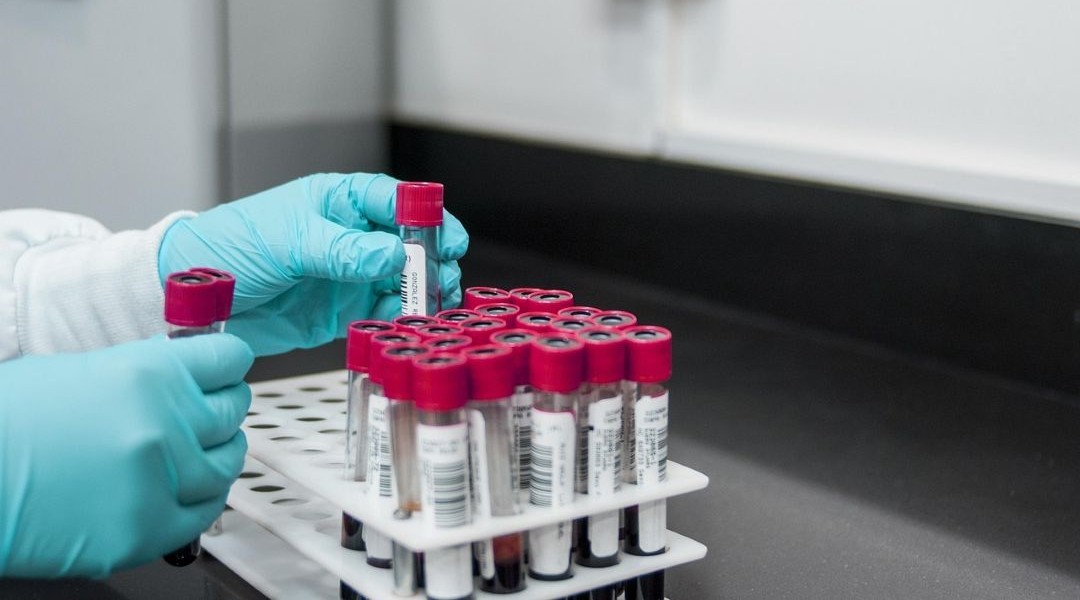
These tests analyze blood samples for proteins and DNA fragments released by cancer cells. Advanced machine-learning algorithms identify patterns indicative of cancer, and even pinpoint potential locations and severity. While further testing is always required to confirm results, these blood tests offer an early warning system that could be crucial for improving patient outcomes.
Simulation Results: A 45% Reduction in Late-Stage Diagnoses
Harvard researchers simulated the impact of yearly multi-cancer blood tests on a cohort of five million adults aged 50-84. Over ten years, the model predicted a 45% reduction in late-stage (Stage IV) diagnoses, along with substantial increases in early-stage detection:
- 10% increase in Stage I diagnoses
- 20% increase in Stage II diagnoses
- 30% increase in Stage III diagnoses
The largest impact was projected for aggressive cancers with historically low survival rates: lung, colorectal, and pancreatic. Even with only 50% patient compliance, the model still showed a 24% reduction in advanced diagnoses.
The Future of Cancer Screening
While some multi-cancer blood tests are commercially available, none have yet received FDA approval. The primary hurdle is proving that the benefits outweigh the costs and logistical challenges of widespread implementation. However, these simulation results provide strong evidence that early detection through blood tests could significantly reduce the burden of cancer.
“Multi-cancer blood tests have the potential to substantially reduce late-stage cancer diagnoses, improve outcomes across multiple cancer types, and address a critical gap in screening,” says Jagpreet Chhatwal, lead author of the study.
Researchers are now focusing on quantifying potential lives saved, assessing economic impacts, and identifying which populations would benefit most from this new screening approach. The goal isn’t to replace existing methods, but to add another layer of defense against a disease that continues to claim millions of lives each year.