



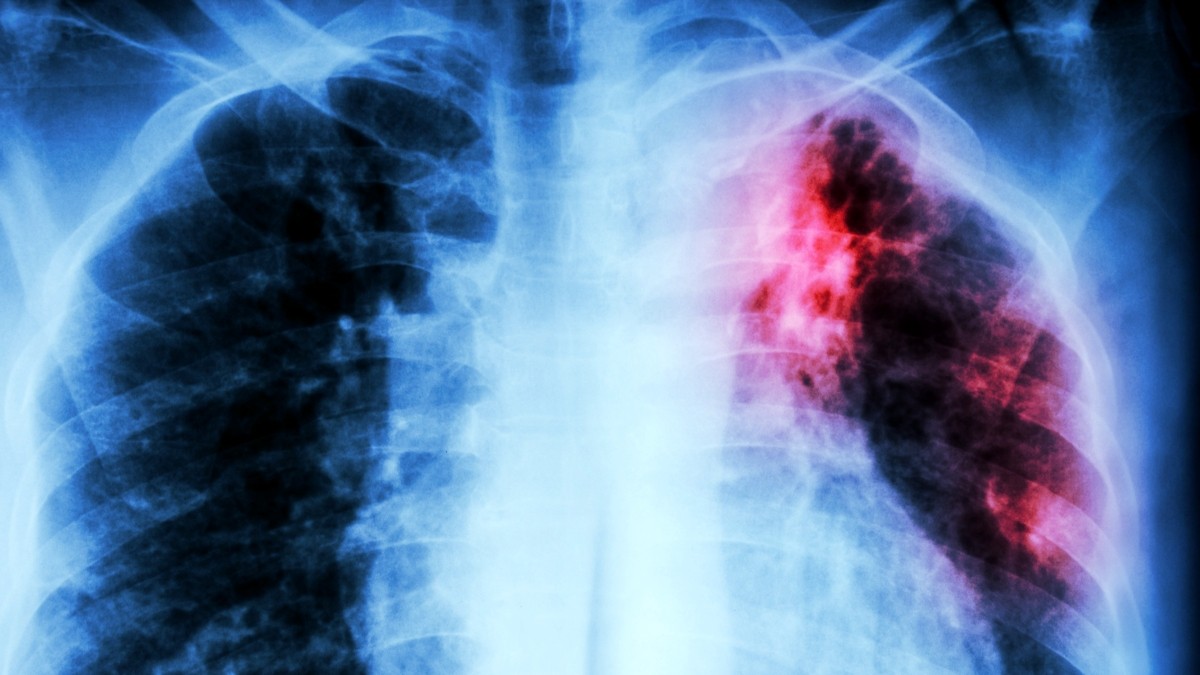
Tuberculosis (TB), a disease once thought to be receding, is resurging globally, and increasingly resistant to existing antibiotics. The World Health Organization (WHO) recognizes this as a critical public health crisis, but recent research offers renewed hope in the battle against the world’s deadliest infectious disease.
Unlocking the Mechanism of Action
An international team of researchers has investigated three experimental antibiotics – ecumicin, ilamycins, and cyclomarins – to pinpoint exactly how they kill Mycobacterium tuberculosis, the bacterium responsible for TB. While these compounds have been studied before, understanding their precise mode of action is crucial for developing effective treatments at scale.
Lab tests reveal that all three compounds target a key molecular machine inside the bacterium: the ClpC1–ClpP1P2 complex. This complex acts as the bacterium’s internal recycling system, clearing out damaged or unnecessary proteins. As immunologist Warwick Britton of the University of Sydney explains, “TB bacteria depend on this recycling system to stay alive, particularly under the stressful conditions inside the human body.”
Disrupting Bacterial Function
The study found that these compounds don’t just shut down the recycling system; they disrupt it in unique ways, causing imbalances throughout the bacterium. Researchers tracked over 3,000 proteins to measure the effects of each antibiotic, revealing that ecumicin had the strongest impact, triggering a surge in the stress protein Hsp20 – a clear sign of severe bacterial distress.
This level of detail is significant because it allows for more precise antibiotic development. Knowing how these compounds damage M. tuberculosis will help scientists combine them strategically and overcome antibiotic resistance. As chemical biologist Isabel Barter of the University of Sydney notes, “By tracking changes across most of the bacterium’s protein network, we were able to see how disrupting a single essential complex can reshape the bacterium’s entire internal protein landscape.”
The Global TB Crisis: A Reminder
Tuberculosis claims over a million lives annually and spreads easily through airborne droplets. While curable, effective treatments are not universally available, and a full course can take months, contributing to the rise of drug-resistant strains. The disease disproportionately affects vulnerable populations, with socioeconomic factors and immune system strength playing critical roles in survival. It’s also a silent threat: an estimated quarter of the global population carries latent TB infection, which may never develop into active disease.
The Path Forward
This research represents a step forward in understanding how TB thrives and how it can be countered with modern drugs. By targeting the bacterium’s waste protein system, these compounds offer a promising avenue for eradicating TB, potentially staying ahead of evolving antibiotic resistance. As chemical biologist Richard Payne of the University of Sydney concludes, “Our study highlights the potential of directly targeting this protein degradation system… we can more strategically design the next-generation of anti-TB drugs.”