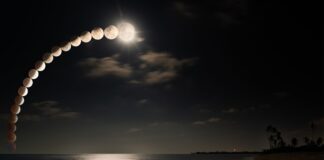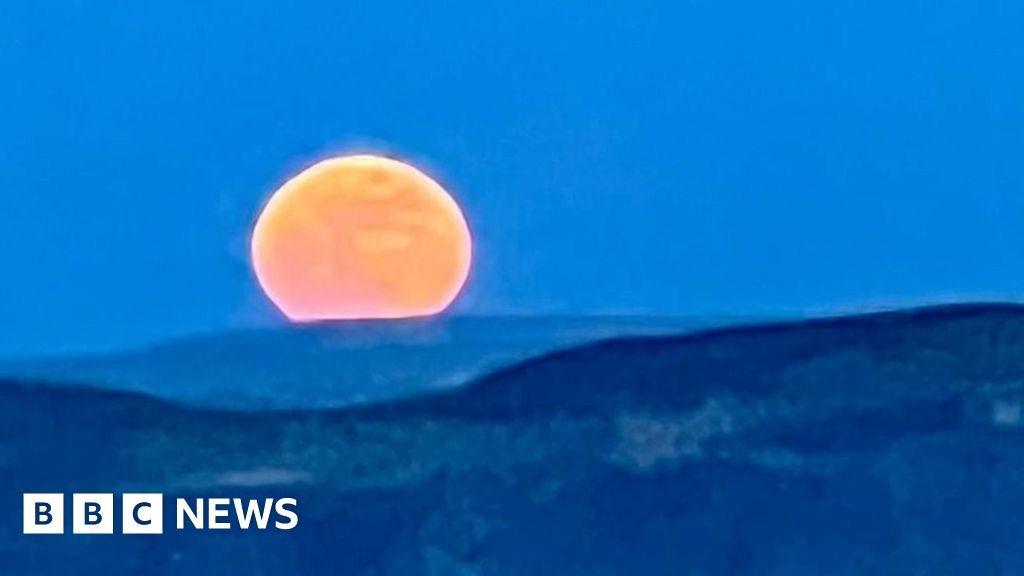
La prima Luna piena primaverile, tradizionalmente conosciuta come Luna del Verme, è apparsa questa settimana nei cieli dell’Irlanda del Nord. Anche se un’eclissi lunare totale – o “Luna di Sangue” – non è stata visibile nel Regno Unito, alcuni osservatori hanno riferito di aver visto il suo distinto bagliore arancione. Questo evento celeste evidenzia una tradizione di nominare le lune piene che risale a secoli fa, antecedente ai calendari moderni.
Perché le lune piene hanno nomi?
Prima dei calendari standardizzati, le culture si affidavano ai cicli lunari per tenere traccia delle stagioni. I nomi della Luna Piena erano indicatori pratici del cambiamento dell’anno, spesso riflettendo eventi naturali significativi. Questi nomi non erano arbitrari; erano legati all’agricoltura, al comportamento degli animali e persino alla sopravvivenza.
Il significato dietro “Luna del Verme”
La Luna Piena di Marzo deve il suo nome al fatto che coincide con il momento in cui i lombrichi emergono dal terreno in fase di disgelo. Questo è un segno chiave dell’arrivo della primavera, segnalando un clima più caldo e una rinnovata crescita. Dopo la Luna del Verme, aprile porterà la Luna Rosa (chiamata così per i fiori di campo primaverili, non per il suo colore), e maggio sarà caratterizzato dalla Luna dei Fiori.
Cos’è la Luna di Sangue?
Una Luna di Sangue non riguarda il colore della Luna del Verme in sé, ma si riferisce al fenomeno che si verifica durante un’eclissi lunare totale. Quando la Terra passa direttamente tra il Sole e la Luna, blocca la luce solare, conferendo alla Luna una profonda tonalità rossastra. Questa settimana, quelli del Nord e del Sud America, dell’Asia orientale e dell’Australia erano nella posizione migliore per testimoniare l’effetto.
Un anno intero di nomi lunari
La tradizione di dare un nome alle lune piene si estende durante tutto l’anno, ognuna con un’origine culturale unica. Ecco una ripartizione:
- Gennaio: Luna del Lupo – Chiamata così per il crescente ululato dei lupi durante l’inverno, quando il cibo scarseggiava.
- Febbraio: Snow Moon – Riflette il tempo nevoso comune in Nord America durante questo mese. Conosciuta anche come Luna della Tempesta o Luna della Fame.
- Marzo: Luna dei Vermi – Emergono i lombrichi, segnalando la primavera. Chiamata anche Luna della Crosta.
- Aprile: Pink Moon – Prende il nome dai fiori rosa selvatici del flox macinato che sbocciano all’inizio della primavera. Conosciuta anche come Luna dell’Uovo o Luna dei Pesci.
- Maggio: Luna dei Fiori – Celebra l’abbondanza di fiori che sbocciano a maggio. Chiamata anche Luna della Lepre, Luna della Piantagione di Mais o Luna del Latte.
- Giugno: Luna delle Fragole – Le tribù Algonquin la chiamano così per la stagione della raccolta delle fragole. Conosciuta anche come Luna di Miele, Luna di Rosa o Luna dell’Idromele.
- Luglio: Buck Moon – In questo periodo i cervi maschi fanno crescere le corna. Chiamata anche Luna del Tuono.
- Agosto: Sturgeon Moon – Prende il nome dallo storione catturato nelle acque del Nord America. Conosciuta anche come Luna dei Grani o Luna delle Ciliege Nere.
- Settembre: Luna del mais – Segna la stagione del raccolto, con una Luna piena particolarmente luminosa che aiuta il lavoro notturno. Se è più vicina all’equinozio d’autunno, si chiama Luna del Raccolto.
- Ottobre: Luna del Cacciatore – Tradizionalmente il periodo in cui ci si prepara all’inverno attraverso la caccia.
- Novembre: Luna del Castoro
- Dicembre: Luna Fredda
La denominazione delle lune piene offre uno sguardo affascinante su come le culture storicamente si collegavano al mondo naturale. Queste tradizioni non miravano solo a segnare il tempo; riguardavano la comprensione, il rispetto e la sopravvivenza in armonia con l’ambiente.
La continua osservanza di questi nomi oggi serve a ricordare la relazione di lunga data dell’umanità con il ciclo lunare.