




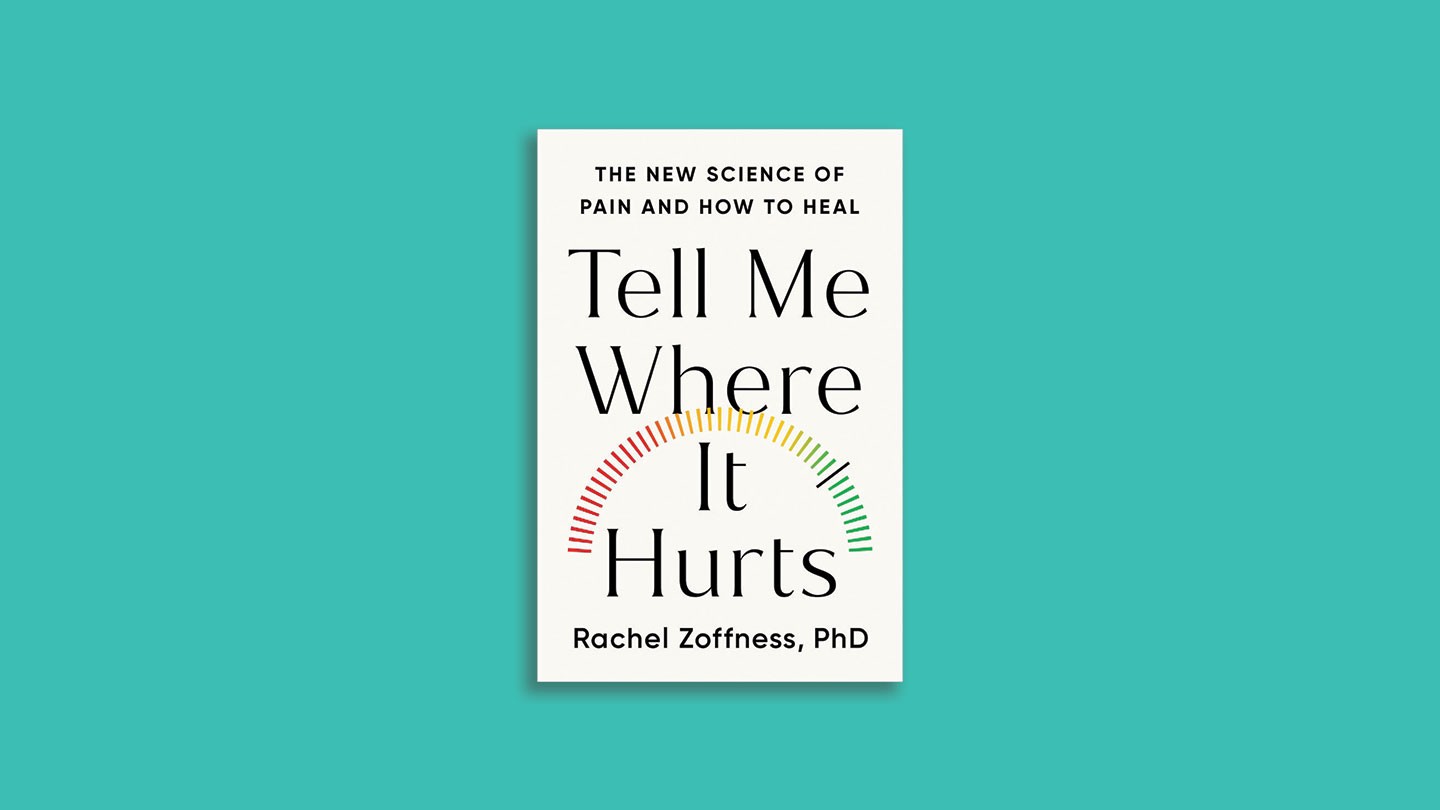
Rachel Zoffness’s Tell Me Where It Hurts redefines our understanding of pain, moving beyond a simple biological response to a complex interplay of physical, emotional, and social factors. The book argues that pain isn’t just a signal from damaged tissue; it’s constructed by our brains, influenced by expectations, trauma, and even our social connections. This isn’t just an academic exercise – it fundamentally changes how we should approach treatment.
The Illusion of Accurate Pain Signals
For too long, healthcare has focused on the “bio” part of pain, assuming that damage equals suffering. Zoffness dismantles this assumption with striking examples. One construction worker experienced excruciating pain despite stepping over a seven-inch nail, while another felt almost nothing when a four-inch nail lodged near his eye. These stories highlight a critical truth: pain is not a reliable indicator of physical harm. The brain interprets sensory data, and that interpretation is shaped by beliefs and context.
This matters because our reliance on pain as a diagnostic tool is flawed. Chronic pain, which affects millions, often persists long after the initial injury has healed. This suggests that the pain itself has become the problem, sustained by psychological and social factors. The arbitrary three-month cutoff for defining chronic pain underscores how poorly we understand its true nature.
Beyond Biology: A Holistic Approach
Zoffness doesn’t just deconstruct the problem; she offers solutions. The key is recognizing pain as a “biopsychosocial” phenomenon. This means addressing not just the body, but also the mind and the surrounding environment. The book outlines actionable steps, from behavioral changes to trauma-informed therapy, that move beyond simply prescribing medication or recommending procedures.
One of the most striking recommendations is simple: never tell patients their pain is incurable. While a disease may be untreatable, the experience of pain is malleable. Hope itself can alter the pain recipe.
A System Unprepared for Complexity
The biggest obstacle, Zoffness points out, is the healthcare system itself. It’s built for quick fixes: pills and surgeries. But chronic pain requires a different approach – strengthening social ties, improving sleep, and addressing underlying trauma. This demands a shift in how clinicians are trained and how healthcare is funded.
Tell Me Where It Hurts doesn’t offer a magic bullet, but it delivers a fundamental insight: treating pain effectively requires recognizing it as a whole-person problem. Only by addressing the mind, body, and social context can we hope to alleviate suffering. The book’s rigorous science, combined with its accessible language, makes it a crucial read for anyone seeking to understand and manage pain in the 21st century.