



Net-casting spiders use a remarkable feat of engineering in their webs: they launch silk nets at prey with extreme speed and stretch, ensuring capture without breakage. Researchers have discovered how these webs achieve this balance, revealing a structure that could inspire new materials science.
The Mechanics of a Deadly Net
These spiders, like the Asianopis subrufa (rufous net-casting spider), dangle upside down, holding a pre-made web in their legs. When an insect approaches, they fling the web, which can stretch up to 24 times its original size in just 0.1 seconds – faster than the human eye can fully process. The key? An intricate internal design.
Looping Strands and Stretchy Cores
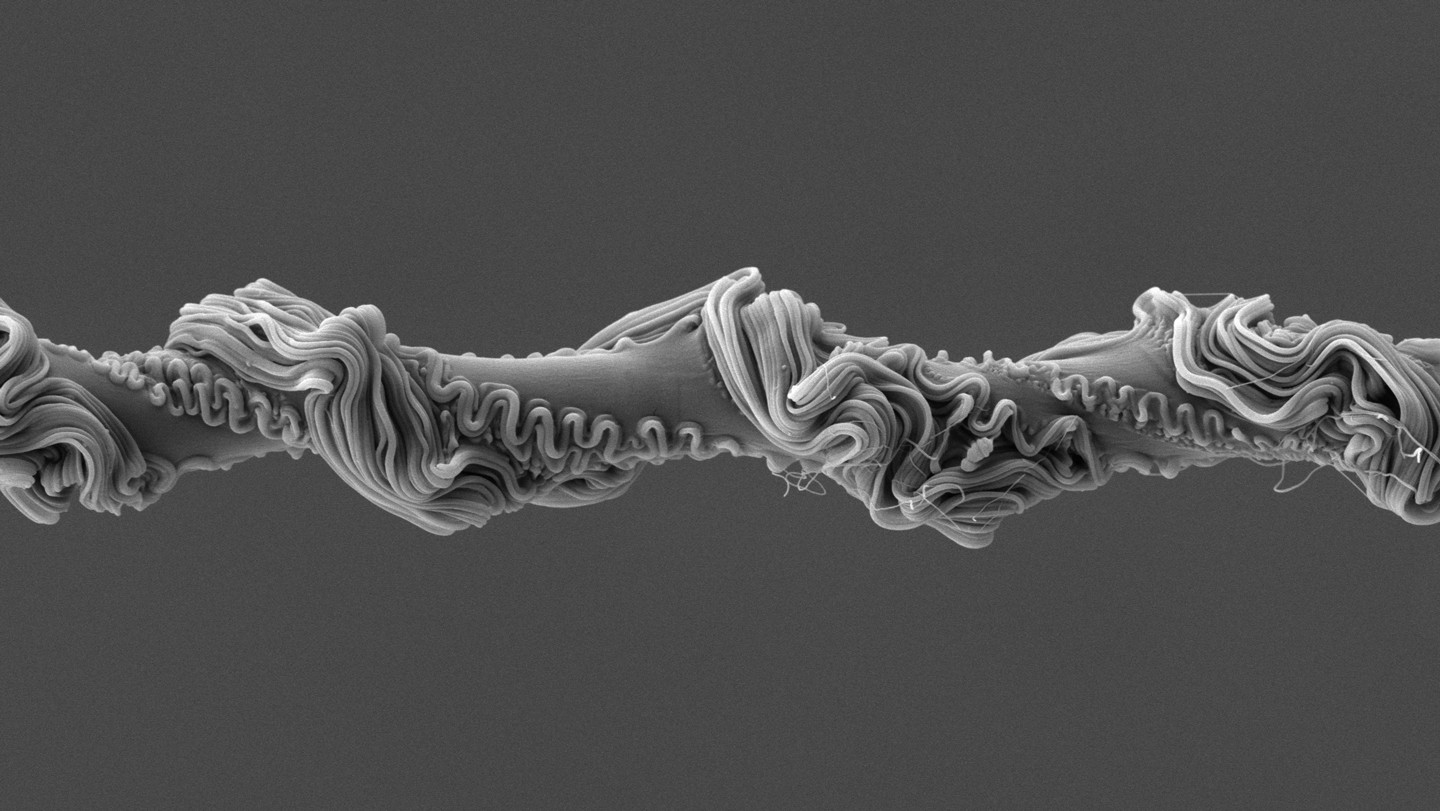
Microscopic analysis reveals the secret: the webs aren’t made of simple, uniform strands. Instead, they consist of looping fibers surrounding a highly elastic core. As the web stretches, these loops gradually straighten, reinforcing the core and preventing it from snapping. This avoids the typical tradeoff between strength and elasticity found in most materials.
Customized Design for Maximum Impact
The spider doesn’t just produce one type of silk. It carefully controls the amount of coiling in different parts of the web, tailoring each section for specific stretching needs. The loops are extruded from separate glands than the core fiber, creating a composite material with optimized performance. The result is a web that’s both incredibly durable and shockingly flexible.
Why This Matters
This isn’t just a biological curiosity. Understanding how spiders create such resilient materials could lead to breakthroughs in developing new synthetic fibers for applications ranging from protective gear to flexible electronics. Nature continues to inspire innovative designs, proving that the most efficient solutions are often already present in the world around us.
The combination of strength and stretch in these spider webs demonstrates a level of natural engineering that remains a compelling subject for materials scientists. The ability to mimic this design could revolutionize the creation of high-performance materials.