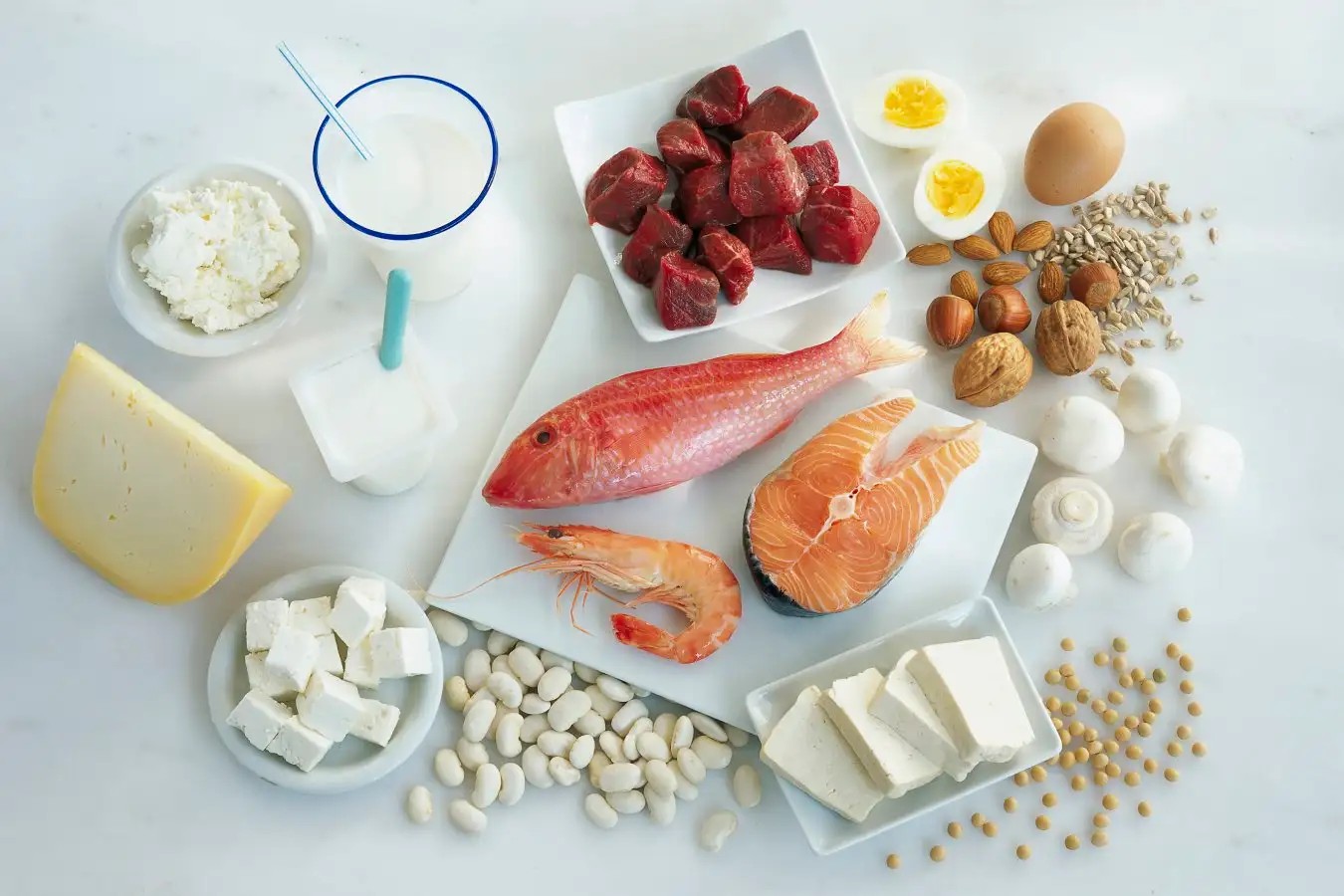
The modern wellness world is dominated by protein. From celebrity-endorsed snacks like Khloé Kardashian’s protein popcorn to earnest discussions on popular podcasts, the nutrient has reached mainstream obsession. A new book, Protein: The Making of a Nutritional Superstar by Samantha King and Gavin Weedon, attempts to explain this phenomenon – but falls short of answering the core questions many readers seek.
The Rise of Protein: A Cultural Phenomenon
King and Weedon, sociologists specializing in health and the body, trace the history of protein from the scientific discovery of amino acids to its current cultural dominance. The book argues that protein’s appeal spans generations: it’s a fitness key for millennials and Gen X, an energy source for baby boomers, and a muscle-loss preventer for older adults.
This broad appeal is partly driven by targeted marketing. The authors suggest that protein consumption has been weaponized to fill the void of lost masculinity among young men, and as a cheap, economic solution to sarcopenia – age-related muscle loss – for older populations. However, these arguments lack concrete evidence, remaining largely theoretical.
The Reality of Protein Intake
The book’s shortcomings are particularly frustrating because the real question remains unanswered: how much protein do we actually need? For most individuals in high-income countries consuming sufficient calories, protein deficiency is rare. Current UK guidelines recommend 0.75 grams per kilogram of body weight daily – easily achievable through normal meals and snacks, though higher intake is advised for those who exercise.
The obsession with supplementation is largely unnecessary. Excess protein is broken down and excreted, meaning expensive protein snacks may be wasted money. Furthermore, excessive long-term intake can strain the kidneys and increase heart disease risk. The book does not clarify these concerns, instead offering conflicting research and leaving readers in the dark.
The Bigger Picture
The protein craze mirrors larger trends in the wellness industry, where marketing often outpaces science. While some books offer valuable insights into diet – like Aimee Donnellan’s Off the Scales, which rethinks obesity in light of new drugs like Ozempic, or Tim Spector’s Ferment, which highlights the benefits of fermented foods – Protein fails to provide the practical guidance consumers crave.
Ultimately, the book’s sociological approach doesn’t deliver on nutritional clarity. The central question remains: how much protein should we actually eat? The answer, frustratingly, remains elusive.