



The rapid melting of Thwaites Glacier in West Antarctica poses an escalating risk to coastal communities across the globe. Scientific expeditions confirm the glacier is destabilizing at an alarming rate, with a potential collapse within decades that could raise global sea levels by roughly two feet. This seemingly modest rise would trigger widespread displacement, economic disruption, and escalating costs for coastal defenses.
The Scale of the Threat
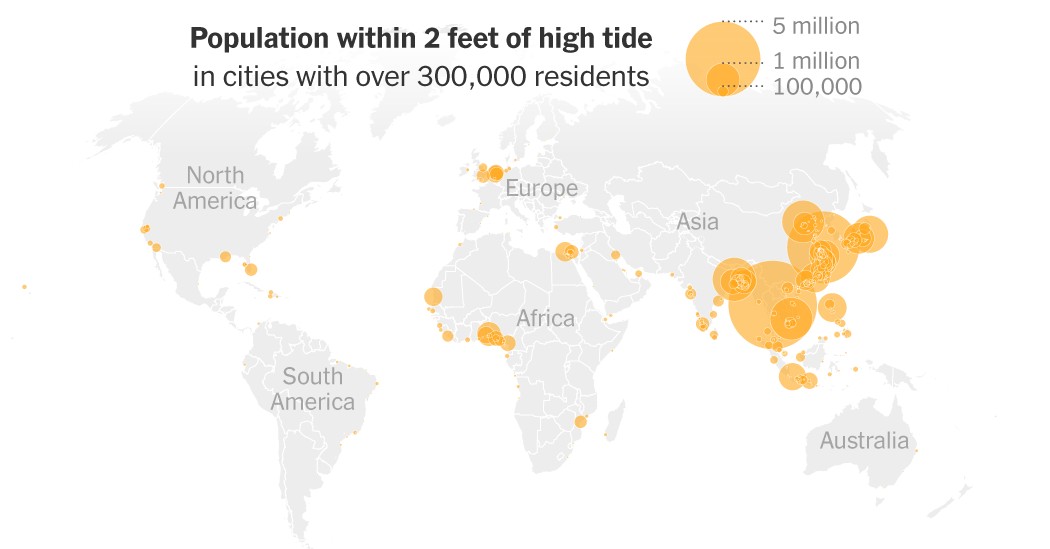
The consequences are not evenly distributed. Asia is disproportionately vulnerable, with densely populated, rapidly growing urban centers like Shanghai facing immediate and severe impacts. Over 600,000 Shanghai residents already live below sea level; an additional 4.7 million would be affected by a two-foot rise. The situation in Bangladesh is even more critical: with its low-lying delta geography and projected population of over 50 million by 2050, the nation will rely on external funding to mitigate catastrophic flooding.
These regions are not just at risk; they are already experiencing the early stages of climate-driven displacement. Villages are being erased by rising tides, farmland is ruined by saltwater intrusion, and populations are migrating toward overcrowded urban centers.
The Economics of Adaptation
Even wealthier nations face staggering costs. The U.S. Army Corps of Engineers estimates over $52 billion to protect parts of New York City, a figure far beyond the reach of many nations. Defending other U.S. coastal areas—San Francisco, Stockton, and the New York harbor—would require billions more.
The reality is brutal: not all places will be defended. As Benjamin Strauss of Climate Central bluntly states, “We’ll defend the highest-value places that are defensible, but there will be other places that we don’t.” This triage approach highlights the inequitable distribution of climate adaptation resources.
The Role of Political Decisions
The speed of Thwaites’ collapse isn’t solely determined by natural processes. Under the previous U.S. administration, research into Antarctic ice melt was abandoned while fossil fuel use was actively promoted. These policies accelerated greenhouse gas emissions, hastening the glacier’s disintegration.
The delay in funding critical research and the continued reliance on fossil fuels are effectively signing future generations up for catastrophic consequences. As Richard Alley of Penn State succinctly puts it, “The value of the information is grotesquely higher than what we’ve invested in it.”
The melting of Thwaites isn’t just a scientific issue—it’s a political one. The decisions made today will determine whether coastal communities can adapt or face irreversible displacement. The clock is ticking, and the margin for error is shrinking.