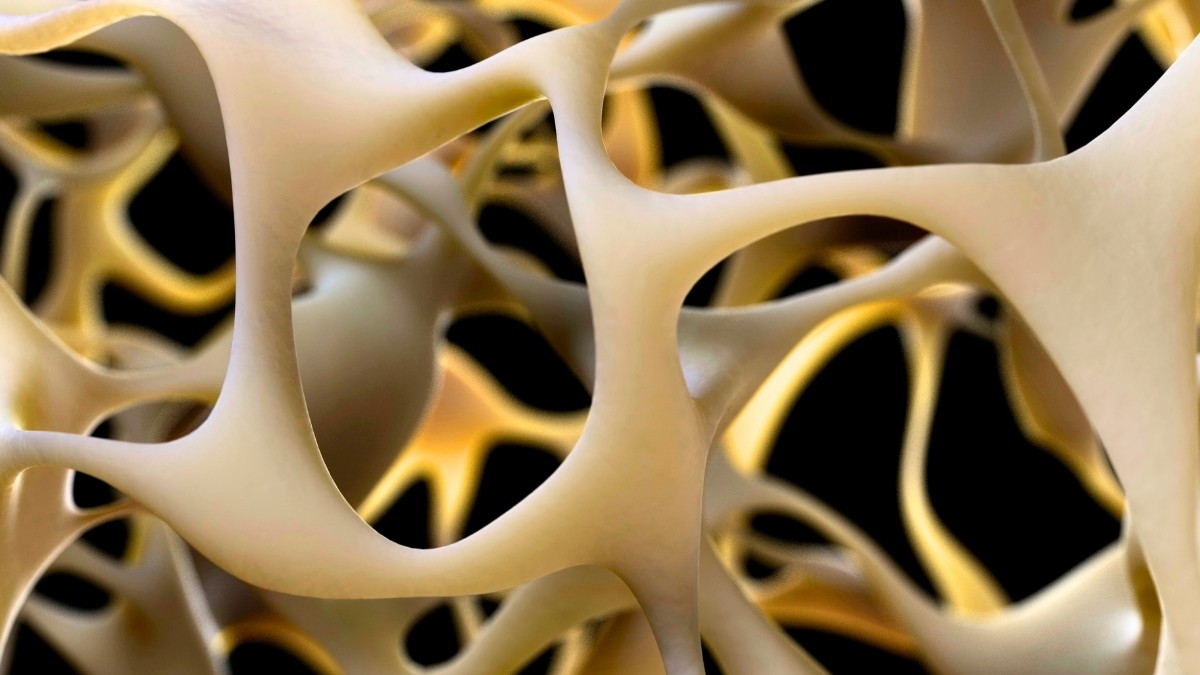

Нещодавні наукові прориви розкривають ключові механізми щільності кісток, що потенційно може призвести до нових методів лікування, здатних звернути остеопороз – захворювання, що зачіпає мільйони людей у всьому світі. Дослідники виявили вирішальний клітинний рецептор, GPR133, який безпосередньо впливає на міцність кісток, тоді як паралельні дослідження вивчили гормональні та регенеративні підходи до відновлення кісток.
Рецептор GPR133: Біологічний Перемикач для Росту Кістей
Дослідження 2025 року, проведене вченими з Лейпцизького університету (Німеччина) та Шаньдунського університету (Китай), показало, що рецептор GPR133 відіграє критичну роль у формуванні кісток. Експерименти на мишах продемонстрували, що відсутність цього рецептора призводила до слабких, остеопорозоподібних кісток. Навпаки, активація рецептора за допомогою хімічної сполуки AP503 значно покращила виробництво та міцність кісток.
Це відкриття має важливе значення, тому що: генетичні варіації в GPR133 вже пов’язані із щільністю кісток у людей, що дозволяє припустити, що аналогічні механізми можуть діяти і у людей. Речовина AP503 діє як «біологічна кнопка», стимулюючи костеутворюючі клітини (остеобласти) працювати більш ефективно. Дослідники виявили, що поєднання AP503 із фізичними вправами ще більше посилює зміцнення кісток.
За Межами Рецепторів: Використання Крові та Гормонів для Відновлення Кісток
Дослідження GPR133 – не єдиний перспективний напрямок. Окремі дослідження демонструють інноваційні способи прискорення загоєння кісток:
- Імпланти на основі крові (2024): Команда Ноттінгемського університету розробила 3D-друкований гель з використанням синтетичних пептидів для посилення природного згортання крові організму. У випробуваннях на щурах цей «біокооперативний регенеративний» матеріал успішно відновив ушкодження кісток. Перевага? Кров легкодоступна та економічна.
Материнський Гормон Мозку (MBH) (2024): Дослідники з Каліфорнійського університету в Сан-Франциско виявили гормон (MBH) у самок мишей, який значно збільшив щільність і міцність кісток як у самців, так і у самок. Отримані кістки були міцнішими, ніж ті, які були досягнуті будь-яким іншим протестованим методом.
Чому це важливо: Лікування остеопорозу нині спрямоване уповільнення прогресування, а чи не на звернення. Ці нові підходи спрямовані на відновлення кістки, що деградувала, потенційно пропонуючи ліки, а не просто управління захворюванням. Існуючі методи лікування також пов’язані з ризиками або втрачають ефективність з часом, що робить ці відкриття особливо цінними.
Майбутнє Здоров’я Костей
Хоча ці результати засновані в основному на моделях на тварин, біологічні процеси, що лежать в їх основі, ймовірно, зберігаються у людей. Дослідники з Лейпцизького університету вважають, що майбутні методи лікування можуть не тільки зміцнювати існуючі кістки, а й відновлювати повну міцність кісток, ослаблених остеопорозом, особливо у жінок у постменопаузі.
Паралельні досягнення – активація рецепторів, регенерація на основі крові та гормональна стимуляція – наголошують на нерозкритому потенціалі організму до самовідновлення. У міру старіння населення попит на ефективні рішення для зміцнення кісток тільки зростатиме, що робить ці дослідження важливим кроком до здоровішого старіння.