






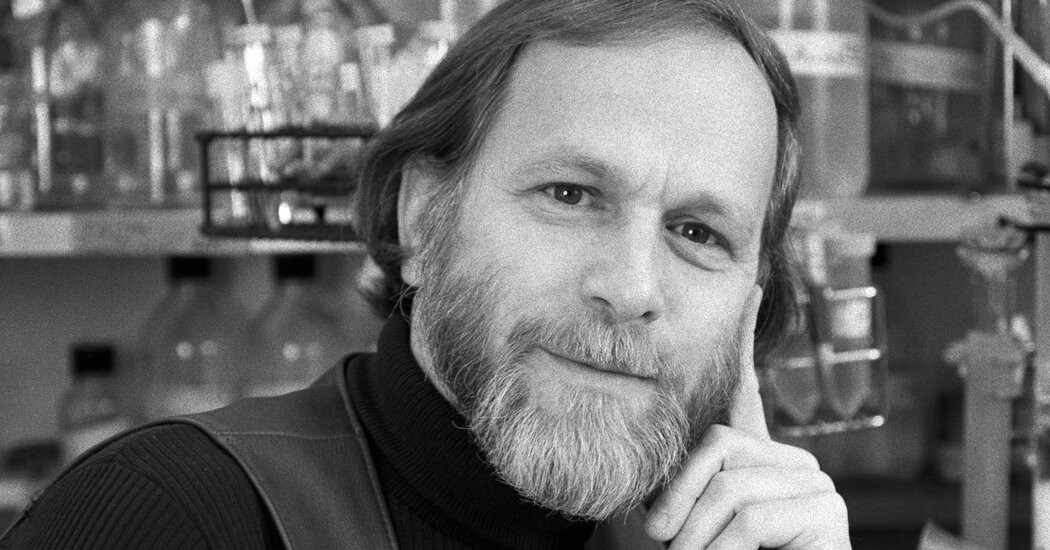
Доктор Дж. Майкл Бішоп, лауреат Нобелівської премії за новаторську роботу з виявлення генетичних причин раку, помер у п’ятницю у Сан-Франциско у віці 90 років. Причиною смерті стала пневмонія, повідомили його рідні. Дослідження Бішопа кардинально змінили уявлення вчених про розвиток та лікування раку.
Ранні роки та кар’єра
Шлях Бішопа від сільської школи Пенсільванії до вершини наукових досягнень — свідчення його невгамовної допитливості. Він досяг успіху в навчанні, вступивши до двох медичних університетів Ліги плюща після закінчення бакалаврату. У 1968 він приєднався до викладацького складу Каліфорнійського університету в Сан-Франциско (UCSF), де пізніше став його восьмим канцлером.
Проривні дослідження раку
У 1989 році Бішоп розділив Нобелівську премію з фізіології та медицини з Гарольдом Вармусом за відкриття клітинних онкогенів – генів, які при мутації можуть перетворити нормальні клітини на ракові. Цей прорив спростував панівне уявлення про рак як виключно про екологічне захворювання, встановивши, що генетичні фактори відіграють вирішальну роль. Це усвідомлення проклало шлях до таргетної терапії, спрямованої на знищення раку генетичному рівні.
Керівництво в UCSF
Будучи канцлером UCSF з 1996 по 2009 рік, Бішоп керував великомасштабним розширенням університету, зміцнивши його позиції як провідний дослідницький навчальний заклад. Він був одним із двох лауреатів Нобелівської премії в системі Каліфорнійського університету, який також обіймав посаду канцлера, що наголошує на його рідкісному поєднанні наукових знань та адміністративного досвіду.
Спадщина
Колеги пам’ятають Бішопа не лише за його геніальність, а й за широке коло інтелектуальних інтересів, часто вплітаючи цитати з літератури та гумор у свої виступи. Доктор Джозеф Гольдштейн, давній друг і також лауреат Нобелівської премії, описав Бішопа як людину з «широким світоглядом… у науці, але також у літературі та мистецтві».
Робота Бішопа непросто просунула дослідження раку; вона трансформувала всю область, змістивши фокус із зовнішніх причин на генетичні механізми, що лежать в основі. Його керівництво в UCSF ще більше закріпило його вплив, залишивши незабутній слід як у науці, так і в освіті.
Його смерть знаменує собою втрату далекоглядного вченого, який перевернув наше розуміння одного з найруйнівніших захворювань, з яким стикається людство.