





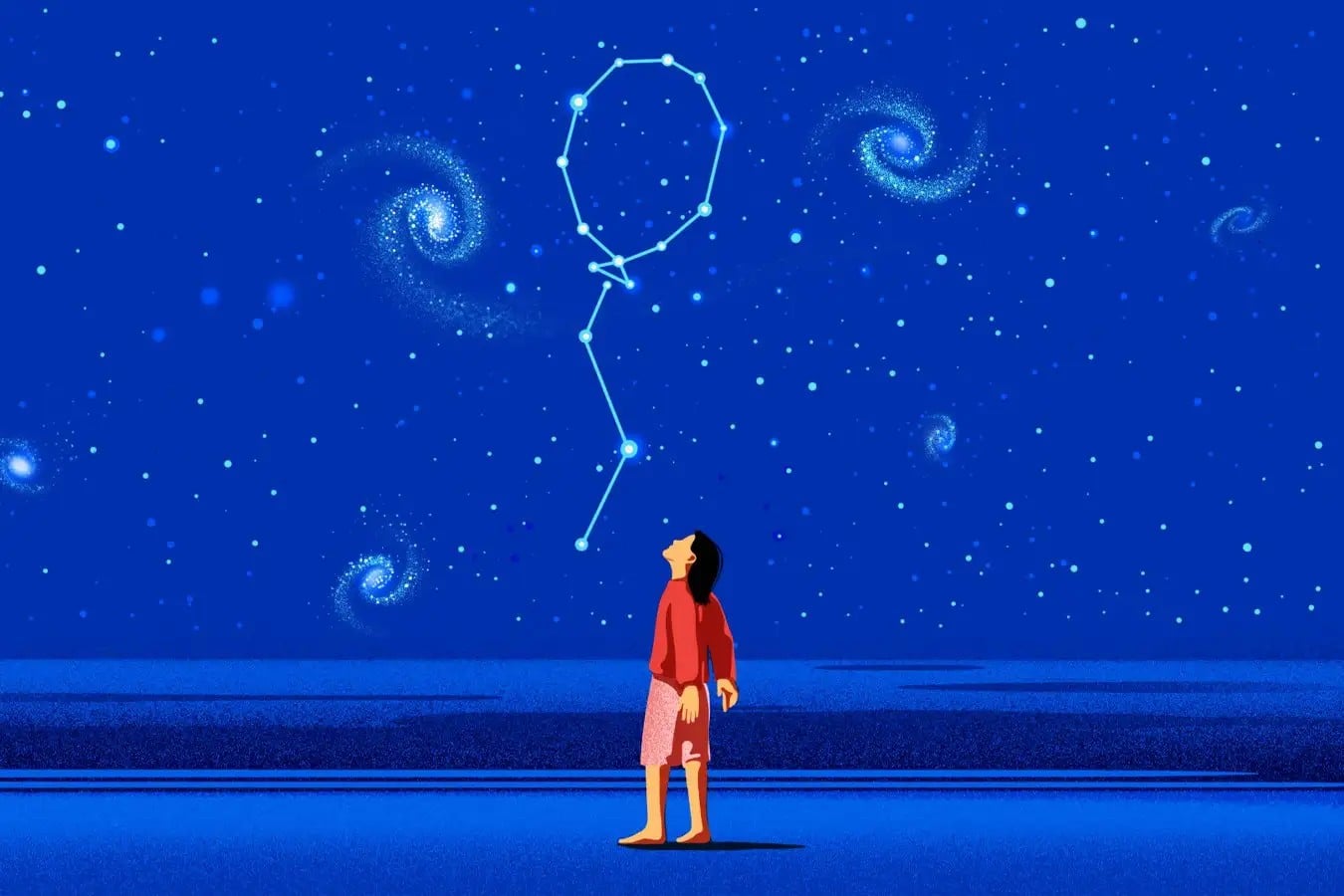
For many, the allure of the night sky extends beyond mere aesthetic appeal; it’s increasingly linked to tangible improvements in mental well-being. While some may dismiss it as escapism, emerging research suggests that a connection with the cosmos—or noctcaelador, as one researcher termed it—can foster happiness, generosity, and a stronger sense of openness to experience.
The Childhood Connection
The ability to effortlessly navigate constellations, as astrophysicist Neil de Grasse Tyson demonstrated years ago, isn’t just a skill; it’s often a habit cultivated in youth. Those introduced to astronomy early in life—whether by parents, educators, or peers—tend to develop a lasting affinity for the heavens. This isn’t coincidental; studies indicate that early exposure to the night sky correlates with better mental health outcomes.
The Science Behind the Stars
The benefits aren’t purely anecdotal. Research confirms that engaging with the cosmos is associated with positive psychological effects, including increased happiness and even greater generosity in social interactions. The phenomenon, labeled noctcaelador in 2003, suggests a deep-seated enjoyment derived from observing the night sky and improved mood as a result.
Gen Z and the Digital Renaissance
The trend is particularly prominent among Generation Z, the first true “digital natives.” Many Gen Z stargazers trace their passion back to childhood experiences—stargazing with family, friends, or teachers. While the study sample was small, it suggests that early exposure is a crucial factor in fostering a lifelong appreciation for astronomy. The digital age has also created a new avenue for this connection, with platforms like TikTok (“SpaceTok”) becoming hubs for amateur astronomers.
Accessibility in the Modern Era
Despite increasing light pollution, which obscures the night sky for much of the world’s population, the barriers to entry are lower than ever. Books, stereoscopic photographs, and stargazing guides like Stargazing 2026 make it possible to connect with the cosmos even on cloudy nights. The key isn’t just clear skies, but a deliberate effort to engage with the universe around us.
The love for looking up on a dark night is known as noctcaelador, from the Latin for “night”, “sky” and “adore”.
Ultimately, nurturing a connection with the night sky isn’t just about learning constellations; it’s about tapping into a timeless source of wonder that can enhance mental well-being. Whether through childhood experiences, digital communities, or simple stargazing guides, the benefits of looking up remain as relevant as ever.