


















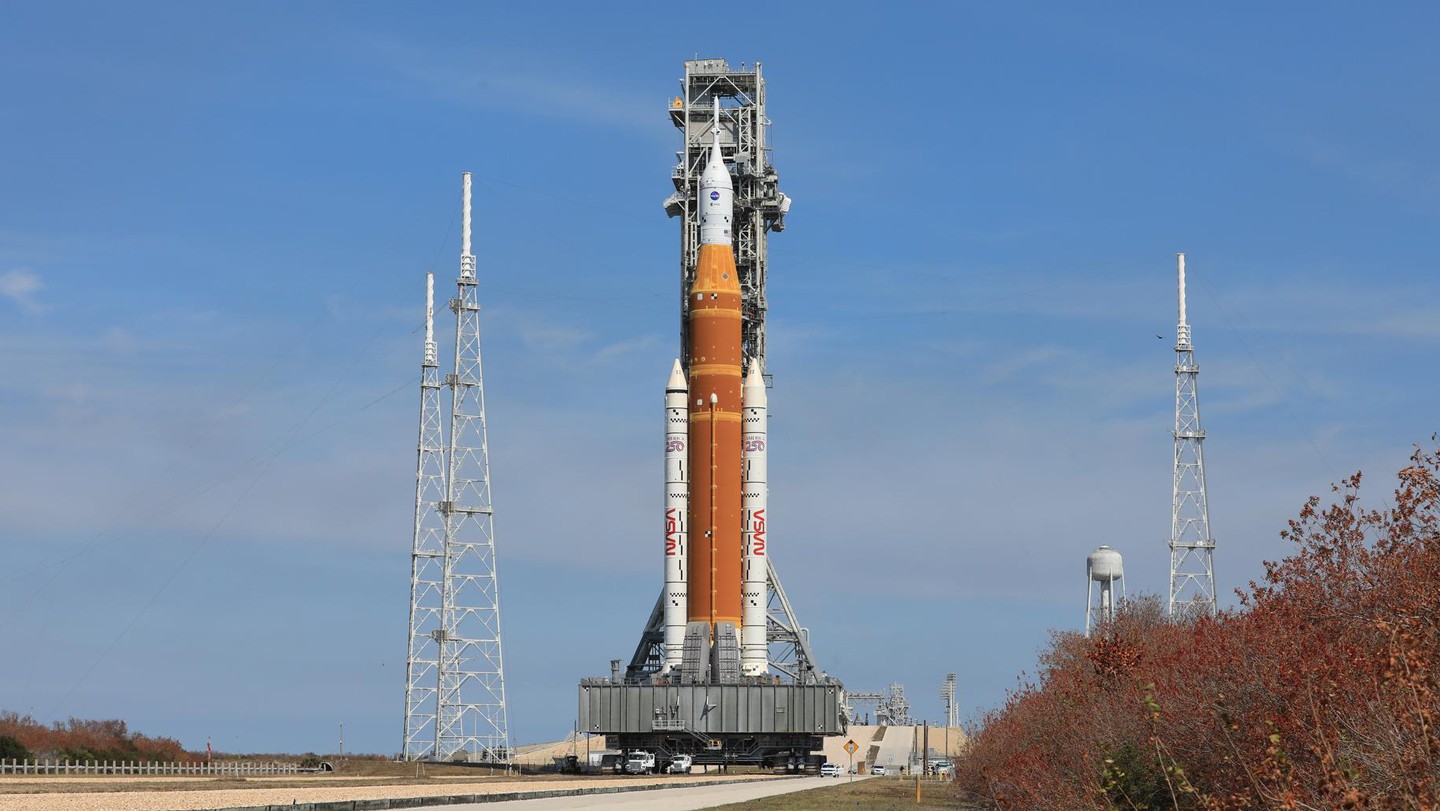
NASA переглянула терміни реалізації програми «Артеміда», перенісши висадку на Місяць з 2027 року і плануючи дві потенційні спроби висадки в 2028 році. Це рішення, оголошене адміністратором NASA Джаредом Айзекманом, відображає перехід до більш методичного підходу, орієнтованого на ретельне тестування та довгострокову стійкість, а не на дотримання довільних термінів.
Затримки «Артеміди-II» та Необхідність Ітерацій
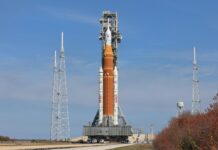
Відстрочка послідувала за чисельними затримками місії «Артеміда-II», метою якої є відправлення астронавтів навколо Місяця. Нещодавні випробування ракети-носія Space Launch System (SLS) виявили виток палива та інші технічні проблеми, змусивши NASA повернути апарат для ремонту. Це підкреслює невід’ємну складність космічного обладнання та необхідність поетапного прогресу.
«Проміжок у три роки між запусками не є шляхом до успіху», — заявив Айзекман, наголошуючи на важливості безперервного тестування та вдосконалення.
Переглянута «Артеміда-III»: Випробувальний Полігон для Місячних Модулей
Початковий план «Артеміди-III», який передбачав пряму висадку у 2027 році, було скориговано. Натомість «Артеміда-III» буде запущена в 2027 році як місія зближення, в ході якої астронавти протестують комерційно побудовані посадкові модулі (від SpaceX і Blue Origin), а також нові скафандри Axiom Space на низькій навколоземній орбіті. Цей крок має вирішальне значення для перевірки критично важливого обладнання, перш ніж приступати до висадки, забезпечуючи більшу ймовірність успіху.
Дві Спроби Висадки в 2028 році: Гнучкість і Резервування
NASA тепер планує дві потенційні спроби висадки на Місяць в 2028 році в рамках місій «Артеміда-IV» і «Артеміда-V»**. Хоча агентство не гарантує, що обидві місії будуть виконані, воно позиціонує себе для гнучкості та резервування, визнаючи, що можуть виникнути технічні труднощі. Цей підхід контрастує з попередніми жорсткими термінами, зумовленими скоріше політичними цілями, аніж інженерними реаліями.
Відмова від Модернізації SLS: Акцент на Основних Проблемах
NASA також відмовилася від планів модернізації ракети SLS між Артемідою-II і Артемідою III. Це рішення свідчить про визнання, що фундаментальні технічні перешкоди мають пріоритет над поступовими поліпшеннями.
Експерти Згодні: Технічні Проблеми Вирішуються, Політика – Ні
Спостерігачі галузі, такі як Джек Кіралі із Planetary Society, вітали цей крок. «Технічні проблеми зараз очевидні», — каже Кіралі, — «Але краще мати технічні проблеми, тому що їх можна вирішити. Політика та бюрократія заважають цьому». Це підкреслює ширше розчарування тиском довільних термінів та бюджетних обмежень.
Довгострокове Бачення: Стійка Присутність на Місяці
Остаточна мета залишається стійкою місячною базою та частими місіями, але NASA тепер приділяє пріоритетну увагу реалістичному, ітеративному підходу. Переглянутий графік покликаний надихнути наступне покоління дослідників космосу, оскільки Айзекман сподівається побачити більше дітей, переодягнених у астронавтів на Хелловін.
Це стратегічне коригування відбиває прагматичне визнання проблем, властивих глибокому космічному дослідженню. Пріоритетом віддається тестуванню та гнучкості, що підвищує ймовірність успішної та довгострокової місячної програми.