
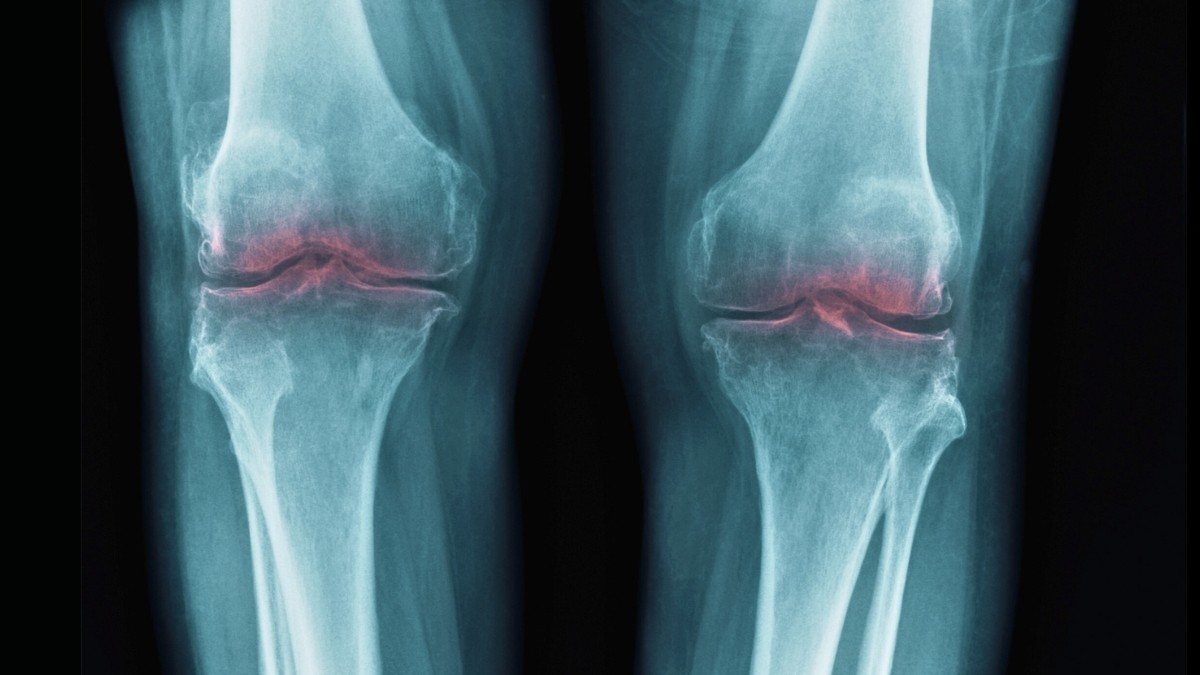

A new study from Stanford University has pinpointed a key protein, 15-PGDH, as a major driver of cartilage loss in aging joints. The findings suggest that blocking this protein could regenerate damaged cartilage, offering a potential treatment for osteoarthritis that avoids the need for joint replacement surgery.
The Role of 15-PGDH in Joint Degradation
Researchers have long known that 15-PGDH increases with age and interferes with the body’s natural tissue repair mechanisms. This study demonstrates that this protein is directly linked to cartilage breakdown in osteoarthritis: the inflammation and pain caused by damaged collagen in joints.
In tests on older mice, introducing a 15-PGDH inhibitor led to significant cartilage thickening in previously worn-down knees. Similar results were observed in young, injured mice, where the inhibitor protected against osteoarthritis development. Notably, mice with simulated ACL injuries did not develop arthritis when treated with the inhibitor.
How Regeneration Works: Existing Cells, Not Stem Cells
Previous attempts to regenerate cartilage relied heavily on stem cells, but this research reveals that they are not necessary. Instead, inhibiting 15-PGDH transforms existing chondrocyte cells (the cells that make and maintain cartilage) into a healthier, more regenerative state. This is a crucial shift in perspective, as the body already has the building blocks for repair; it just needs the right signal to activate them.
Evidence in Human Tissue
The findings aren’t limited to mice. When tested on human tissue samples taken from knee replacement surgeries, the cartilage showed increased stiffness and reduced inflammation after 15-PGDH was inhibited. Researchers observed changes in gene expression within the existing cartilage cells, suggesting that regeneration is possible even in advanced stages of joint damage.
What This Means for the Future
Current osteoarthritis treatments focus solely on pain management; there are no therapies that address the underlying cause of the condition. This research offers a new approach: instead of replacing damaged joints, we may be able to regrow existing cartilage.
A previous trial of a 15-PGDH blocker for muscle weakness showed no adverse effects, potentially speeding up the path to clinical trials for arthritis treatments. Researchers are optimistic about the potential for a breakthrough that could spare millions from painful joint replacements.
“Imagine regrowing existing cartilage and avoiding joint replacement.” – Helen Blau, microbiologist at Stanford University
While further research is needed, this study presents a compelling new direction for treating age-related joint degradation and injury-induced osteoarthritis. The prospect of restoring mobility and reducing pain without invasive surgery is now closer than ever before.