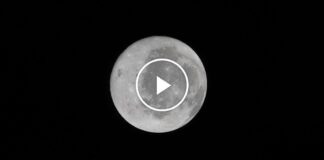
Tonight, stargazers will witness the Moon in its Third Quarter phase. This stage marks a specific midpoint in the lunar cycle, occurring exactly halfway between the brilliance of a Full Moon and the darkness of a New Moon.
Tonight’s Lunar Outlook
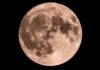
On April 10, 2026, approximately 49% of the Moon’s surface will be illuminated. Because the Moon is only half-lit, it creates a high-contrast visual that is particularly striking for observers interested in lunar topography.
Depending on the equipment you have available, there are different details you can observe:
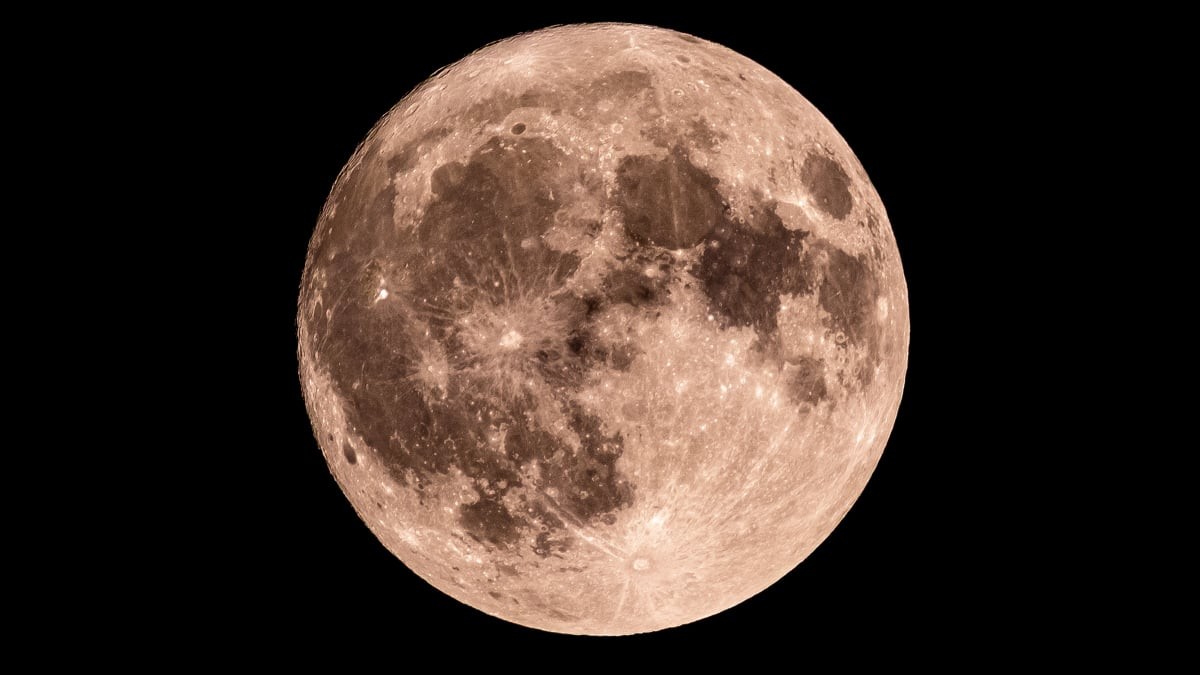
- With the naked eye: Look for prominent features such as the Oceanus Procellarum (an ocean of basaltic plains), the Tycho Crater, and the Copernicus Crater.
- With binoculars: You can achieve greater detail, revealing the Grimaldi Basin, the Mare Humorum, and the Clavius Crater.
- With a telescope: Advanced observers can zoom in on complex structures like the Schiller Crater and the Fra Mauro Highlands.
Understanding the Lunar Cycle
The Moon follows a roughly 29.5-day orbit around Earth. While the Moon always keeps the same side facing our planet, the angle of sunlight hitting its surface changes as it moves. This shifting perspective creates the eight distinct phases we recognize as the lunar cycle.
The Third Quarter is a “waning” phase, meaning the illuminated portion is shrinking. Following tonight’s phase, the Moon will transition into a Waning Crescent before eventually disappearing into a New Moon.
The Eight Phases of the Moon
To better understand where we are in the cycle, here is the progression of lunar appearances:
- New Moon: The Moon is positioned between Earth and the Sun; its visible side is dark.
- Waxing Crescent: A small sliver of light appears on the right side (in the Northern Hemisphere).
- First Quarter: Half of the Moon is illuminated on the right.
- Waxing Gibbous: More than half is lit, but it is not yet a full circle.
- Full Moon: The entire face of the Moon is illuminated.
- Waning Gibbous: The illuminated portion begins to shrink from the right side.
- Third Quarter: Half of the Moon is illuminated, but on the left side.
- Waning Crescent: A final thin sliver of light remains on the left before the cycle restarts.
Looking Ahead
If you are waiting for a bright, fully illuminated sky, you will have to wait a little longer. The next Full Moon is expected to occur on May 1, 2026, marking the beginning of a month that will feature two Full Moons.
Summary: Tonight’s Third Quarter Moon offers a unique opportunity to observe lunar craters and basins through high-contrast lighting, serving as a transitional midpoint in the Moon’s monthly journey toward darkness.