







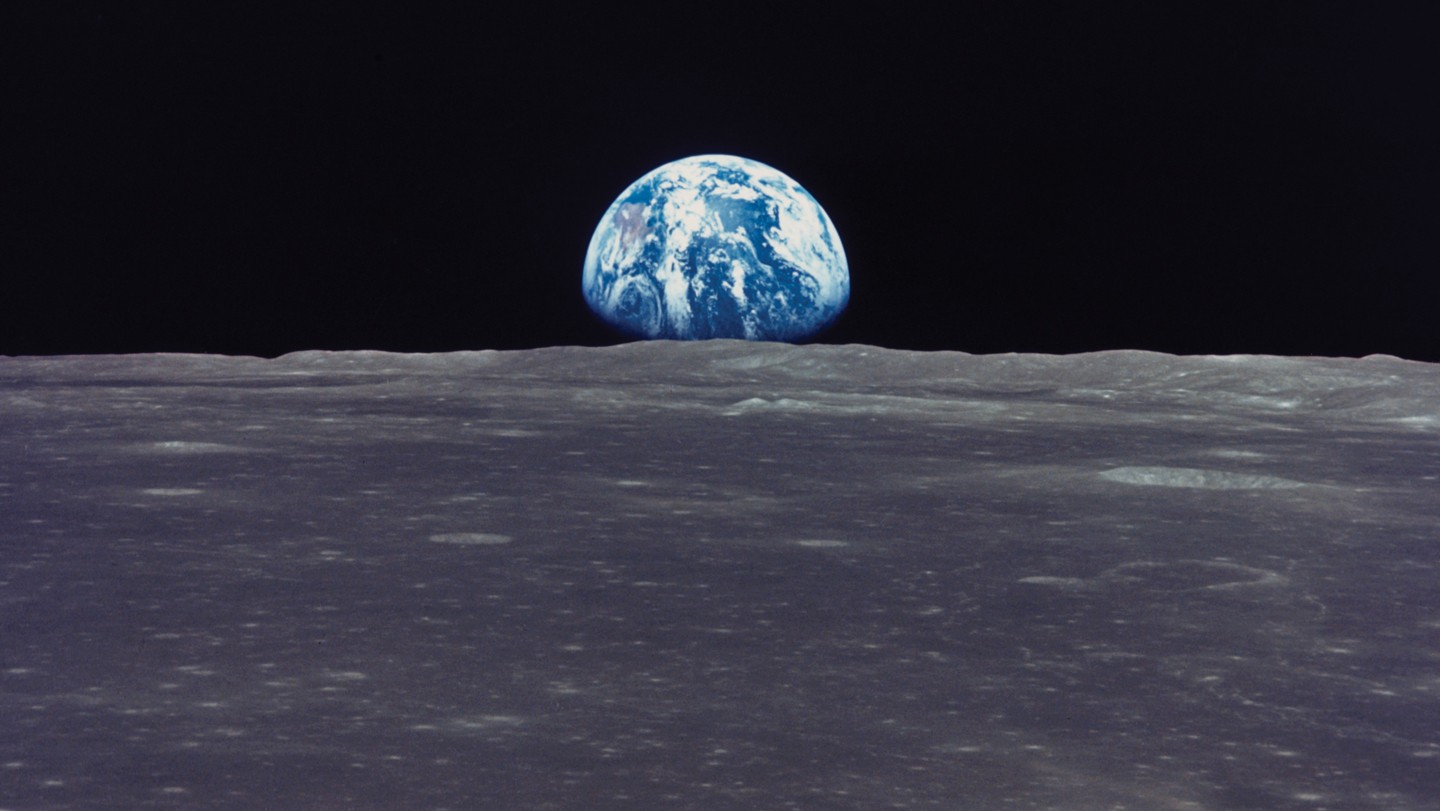
Майбутня місія Artemis II, покликана повернути людей на околиці Місяця понад півстоліття, повинна викликати трепет. Натомість для багатьох вона здається відірваною від реальності. Цей дисонанс не новий. Протягом усієї історії великі наукові починання розгорталися на тлі глибоких соціальних та політичних потрясінь, порушуючи питання пріоритетів та справжньої ціни прогресу.
Розрив між зірками та вулицями
Автор, журналіст, який спеціалізується на освоєнні космосу, очікував наснаги від Artemis II. Натомість жорстока реальність дій імміграційної та митної служби (ICE) у Міннеаполісі – включаючи смертельне поранення Рене Гуд, місцевої матері – розбила ці очікування. Різкий контраст між амбіціями NASA та жорстокими реаліями імміграційної політики висвічує фундаментальний розрив: навіщо захоплюватися прагненням до зірок, коли люди страждають на Землі?
Це почуття не ізольоване. Автор зазначає льодове паралелі з 1960-ми, коли програма Apollo збіглася з протестами за громадянські права, війною у В’єтнамі і зростаючим соціальним невдоволенням.
Історична луна: протиріччя Apollo
Місії Apollo, які часто міфологізувалися як об’єднуючий момент, були глибоко роздільними навіть у той час. Активісти ставили під сумнів величезні інвестиції в космос, тоді як системна нерівність та злидні зберігалися. Ральф Абернаті очолив протест біля Космічного центру Кеннеді, привівши сім’ї та мулів, щоб проілюструвати абсурдність пріоритету місячних амбіцій над базовими людськими потребами. Ідея про те, що всі святкували Apollo, – це ретельно сконструйований наратив, який ігнорує значну незгоду.
Один читач Science News у 1969 році написав: «Грунда… [багато людей, що страждають] НЕ пишалися. Ми розчаровані та соромимося». Ця думка не була маргінальною; воно відображало щиру лють по відношенню до системи, яка ставила видовищність вище за сутність.
Складна спадщина прогресу
Місія NASA Artemis II стикається зі схожою дилемою. Хоча чиновники сподіваються відтворити почуття єдності часів Apollo, фон інший. Уряд, який скорочує наукову інфраструктуру, одночасно захищаючи насильницькі методи правоохоронних органів, створює токсичний парадокс. Дослідження космосу, як дзеркало, розкриває як людську винахідливість, а й глибокі соціальні розломи.
Історик Ніл Махер зазначає, що обидва місячні прориви сталися за часів масових протестів, що говорить про циклічний характер. Питання не в тому, чи є освоєння космосу за своєю суттю добрим чи поганим, а в тому, чи може воно справді надихати, коли фундаментальні права людини порушуються вдома.
Знаходження єдності в опорі
Автор знаходить нове почуття спільної мети у протестних рухах у Міннеаполісі: у спільному співі, організованій взаємній допомозі та непокірній солідарності. Ця низова єдність пропонує різкий контраст з низхідним видовищем космічних місій. Вона передбачає, що справжня перевага не полягає у втечі із Землі, а в протистоянні її несправедливості.
Зрештою, стаття не відкидає освоєння космосу повністю. Вона визнає його потенціал для перспективи та здивування. Але вона наполягає на тому, що ці амбіції мають бути засновані на етичній відповідальності та соціальній справедливості. Майбутнє освоєння космосу залежить від того, чи зможемо ми вирішити земні проблеми, доки прагнемо зірок.