




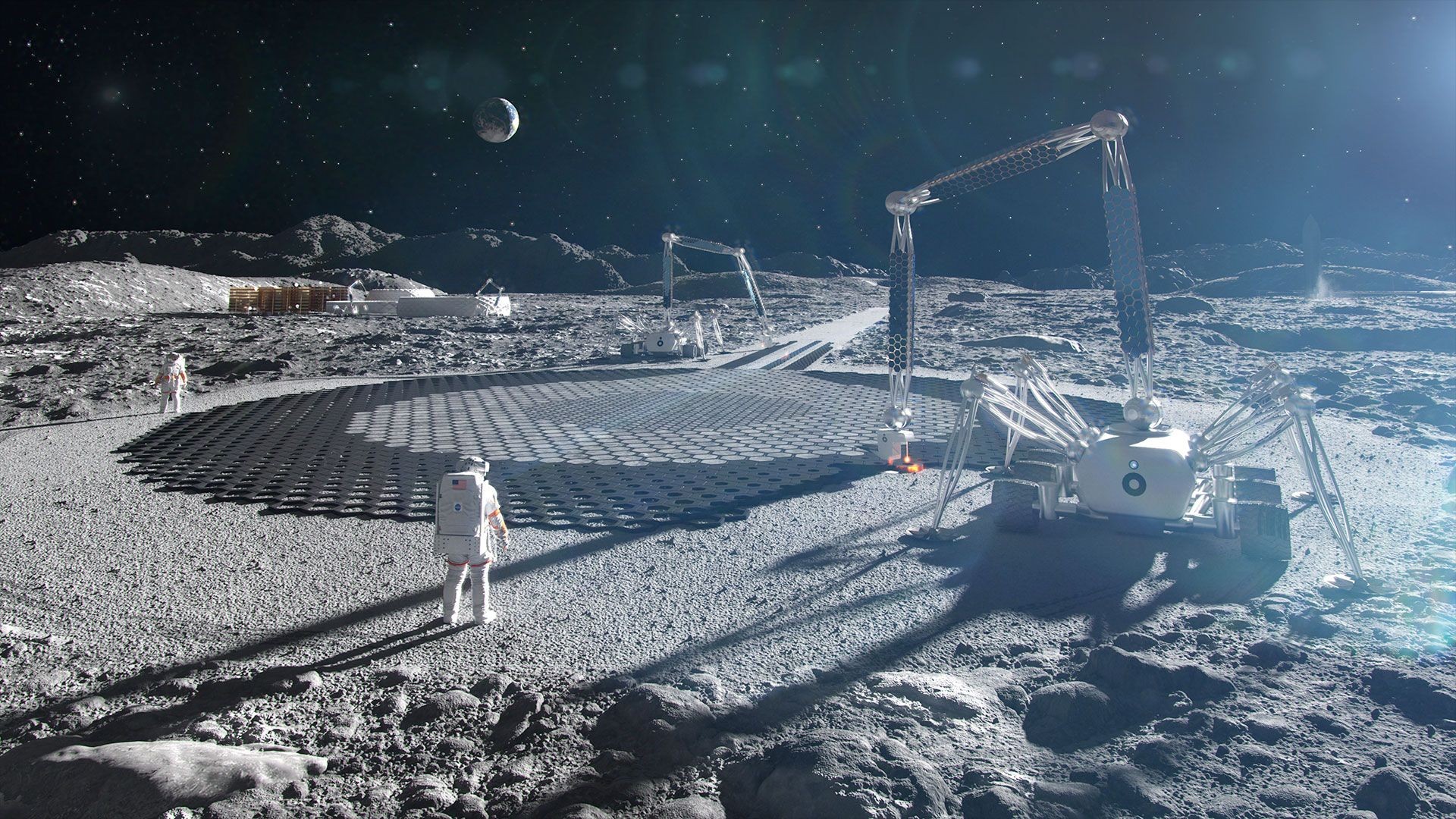
Five years after the creation of the Artemis Accords, international partners are still debating fundamental rules for lunar operations—specifically, how to respond to emergencies and establish safe operational boundaries. As NASA prepares to send astronauts back near the Moon with the Artemis 2 mission, the lack of clear guidelines raises significant questions about coordination and potential conflicts.
The Emergency Response Dilemma
A key issue discussed among Artemis Accords signatories (United Arab Emirates, Australia, and the United States) at the International Astronautical Congress is how to handle emergencies involving both participating and non-participating nations. According to Ahmad Belhoul Al Falasi, the UAE minister of sports, the core question is: “In a lunar scenario, if there is an emergency, how do you behave?” The lack of a pre-defined protocol complicates matters, particularly given the potential for political friction and technological incompatibility in a crisis.
Currently, there are no active discussions with major lunar actors such as China and Russia to join the Accords, according to Amit Kshatriya, NASA’s associate administrator. This isolation reinforces the need for self-sufficiency and clear rules within the existing framework, but also risks escalating tensions if emergencies occur involving non-signatory nations.
Defining “Safety Zones”
Another major challenge is defining safety zones around lunar activities. The Accords propose these zones as a way to prevent harmful interference with landers, habitats, and resource extraction sites. However, there’s no consensus on how large these zones should be or how strictly they will be enforced.
Al Falasi noted that the definition of a safety zone remains vague: “They could be small, could be big. We need to be very specific on that.” The lack of clarity is particularly pressing given the growing interest in the lunar south pole, where both the U.S. and China plan to send missions to exploit potential water ice resources.
The concept of “harmful interference” is equally ambiguous: “There’s some interference every day, but what is harmful interference?” This ambiguity raises concerns that safety zones could evolve into de facto territorial claims on the Moon, effectively granting property rights to nations and companies.
The Future of Lunar Governance
The ongoing discussions within the Artemis Accords highlight the complex challenges of establishing a functional legal framework for lunar operations. While the Accords aim to foster interoperability and cooperation, the lack of clear rules leaves room for disputes and potential conflicts. The absence of engagement with major lunar powers such as China and Russia further complicates the situation.
Without a more concrete framework, the Moon risks becoming another arena for geopolitical competition, rather than a collaborative space for scientific exploration and resource utilization. The next steps will be crucial in determining whether the Artemis Accords can evolve into a truly effective governance system for the Moon, or remain a fragmented set of guidelines with limited practical impact.