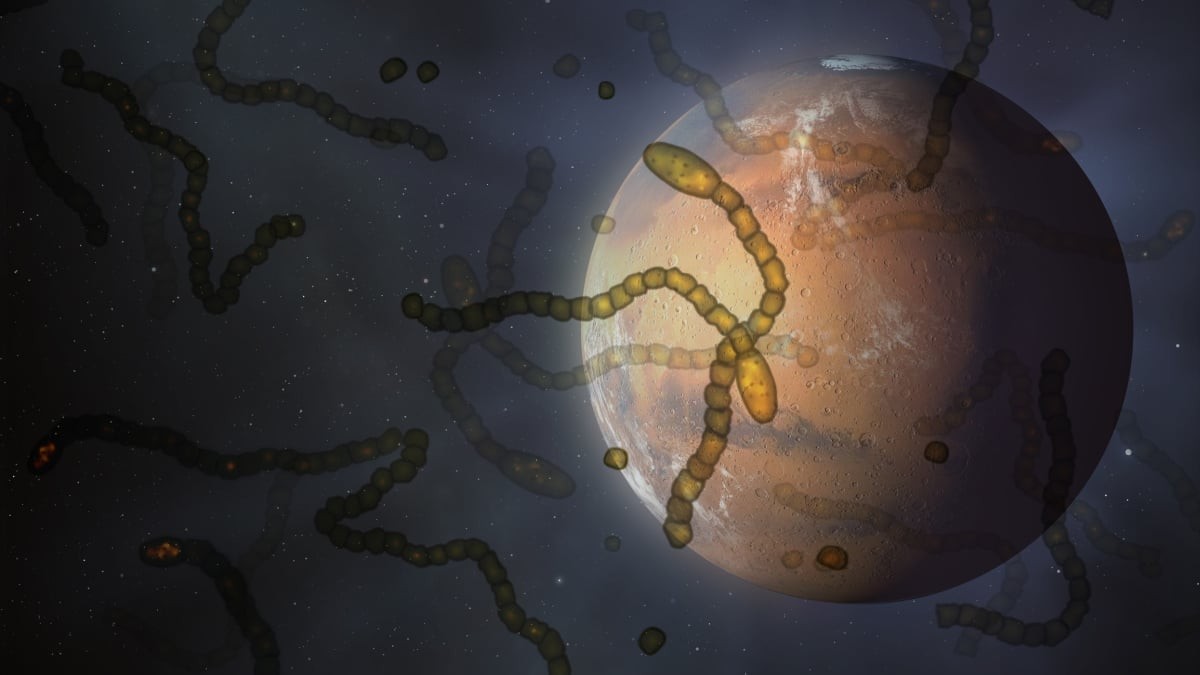
Una nueva investigación de la Universidad Johns Hopkins sugiere que la vida microscópica es sorprendentemente resistente, capaz de soportar las presiones extremas de ser expulsada de un planeta por el impacto de un asteroide. Este descubrimiento refuerza la controvertida teoría de la litopanspermia : la idea de que la vida puede propagarse entre mundos encerrados dentro de rocas. Los hallazgos, publicados en la revista PNAS Nexus, podrían tener implicaciones significativas sobre cómo buscamos vida extraterrestre y protegemos otros planetas de la contaminación.
Simulación de las condiciones de lanzamiento espacial
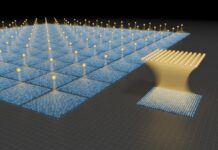
Los científicos dirigidos por la estudiante de doctorado Lily Zhao utilizaron una pistola de gas de alta potencia para simular las intensas presiones que experimentaría un microbio durante la eyección de un asteroide. El arma disparó una placa de acero contra una capa de Deinococcus radiodurans, una bacteria conocida por su extrema resistencia, a presiones superiores a 2,4 gigapascales (decenas de miles de veces la presión atmosférica de la Tierra). Contrariamente a lo esperado, la gran mayoría de los microbios sobrevivió, con tasas de supervivencia que alcanzaron entre el 95% y el 97% en las pruebas iniciales. Incluso a la presión más alta posible, alrededor del 60% de las células seguían siendo viables.
Este experimento aborda una brecha clave en la investigación de la litopanspermia: la falta de datos confiables sobre la supervivencia microbiana en condiciones de impacto. Los estudios anteriores a menudo carecían de mediciones precisas de las presiones experimentadas por las células individuales. El equipo de Johns Hopkins controló esta variable haciendo crecer células en una capa uniforme, asegurándose de que cada una estuviera expuesta a la misma fuerza.
Por qué esto importa: de Marte a Fobos
El estudio fue motivado por preguntas sobre la posibilidad de que la vida se transfiera entre planetas y lunas. El rover Perseverance de la NASA ya ha identificado cientos de meteoritos en la Tierra procedentes de Marte, lo que sugiere que tales transferencias son físicamente posibles. La investigación surgió inicialmente de un estudio de las Academias Nacionales que evaluaba la probabilidad de que microbios viajaran desde Marte a su luna Fobos, que se consideró baja debido a la falta de datos de supervivencia.
Los resultados del equipo sugieren que la supervivencia de los microbios durante la eyección puede no ser el principal factor limitante para la transferencia interplanetaria. Otros desafíos, como la exposición a la radiación, las temperaturas extremas y la deshidratación prolongada, siguen siendo obstáculos importantes. Sin embargo, la pura resiliencia demostrada en el experimento hace que las probabilidades pasen de ser casi imposibles a ser potencialmente plausibles.
Extremófilos: los últimos supervivientes
La elección de D. radiodurans fue deliberado. Esta “superbacteria” prospera en entornos hostiles, que incluyen alta radiación, deshidratación extrema y temperaturas gélidas, condiciones análogas a las que se encuentran en el espacio. El microbio incluso se ha encontrado en el desierto de Atacama, uno de los entornos más inhóspitos de la Tierra.
Las células supervivientes sufrieron algunos daños: sus revestimientos externos quedaron comprometidos y sus funciones normales se interrumpieron temporalmente. Sin embargo, en cuestión de horas, reanudaron el crecimiento y la división, destacando los extraordinarios mecanismos de reparación dentro de estos organismos. El estudio subraya cómo incluso la vida unicelular puede resistir fuerzas que destruirían organismos más complejos.
Implicaciones para la protección planetaria
Los hallazgos también plantean preocupaciones sobre la protección planetaria. Las agencias espaciales ya esterilizan naves espaciales para evitar la contaminación accidental de otros mundos. Sin embargo, algunos microbios resistentes inevitablemente sobreviven a estos procesos. La nueva investigación sugiere que ciertos organismos, como D. radiodurans, puede persistir incluso después de una limpieza rigurosa.
Esto plantea dudas sobre la eficacia de los protocolos de esterilización actuales, particularmente para misiones dirigidas a entornos potencialmente habitables como Marte o su luna Fobos. Los microbios muertos aún pueden dejar rastros de ADN, lo que complica los esfuerzos para detectar vida nativa. Algunos investigadores sugieren que pueden ser necesarios protocolos más estrictos para ciertos cuerpos planetarios.
En conclusión, el estudio de Johns Hopkins proporciona pruebas convincentes de que la vida microbiana es mucho más sólida de lo que se suponía anteriormente. Si bien la transferencia interplanetaria sigue siendo una posibilidad remota, los hallazgos sugieren que la posibilidad de que la vida se propague entre mundos no es del todo descabellada. Este trabajo refuerza la idea de que si existe vida en otras partes de nuestro sistema solar (o más allá), probablemente será en forma de microorganismos resistentes y resistentes.