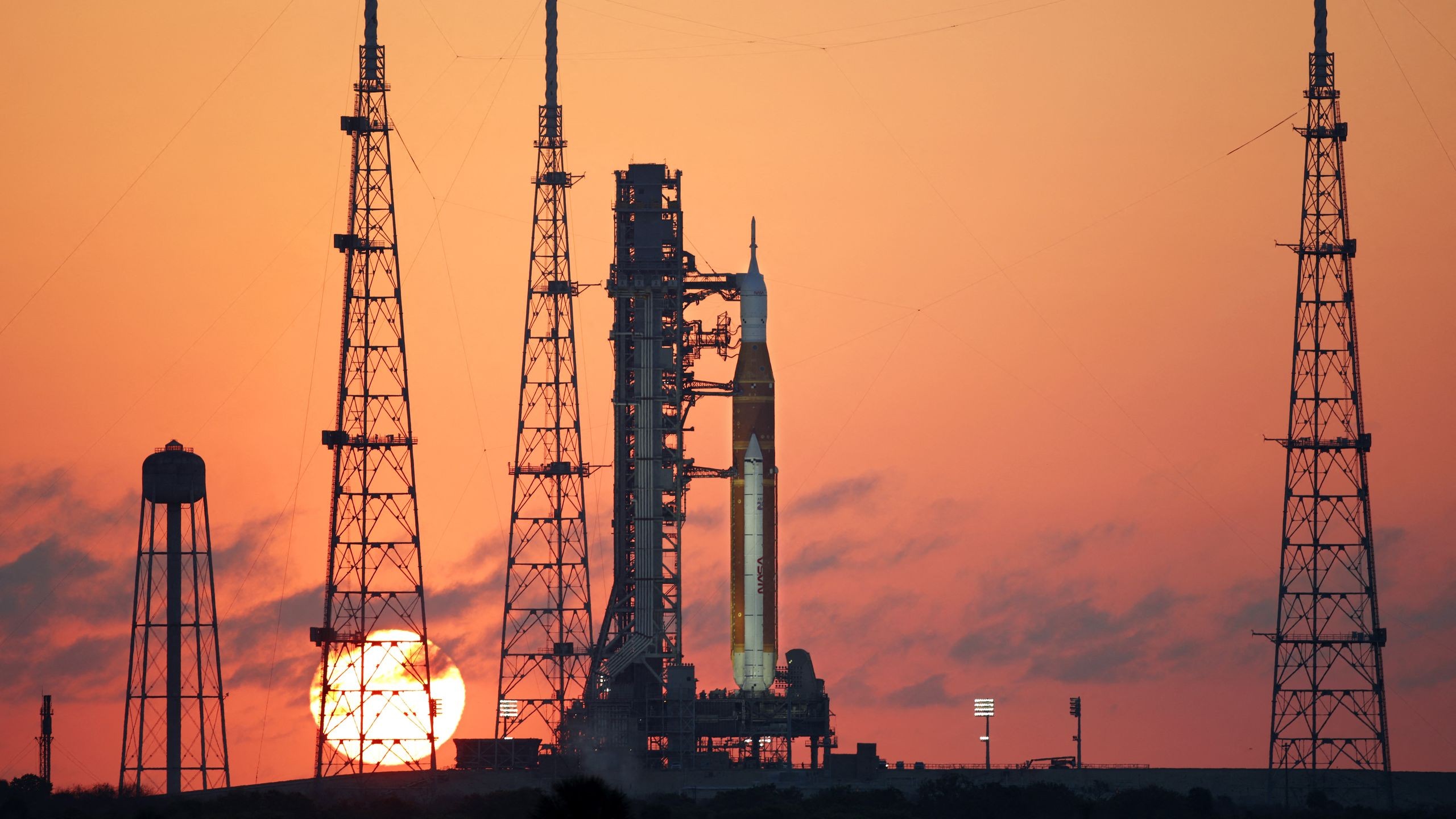
NASA is in the final stages of preparation for the Artemis II mission, a crewed flight intended to orbit the moon. The agency’s mission management team will render a decision on the Space Launch System (SLS) rocket and Orion capsule’s readiness this afternoon, with a potential launch window opening at 6:24 PM ET on Wednesday, April 1.
Mission Overview: A Return to Lunar Orbit
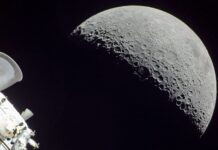
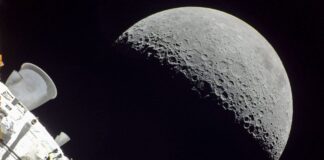
The Artemis II mission marks the first time in over 50 years that humans will travel beyond low Earth orbit. The ten-day test flight will carry the crew around the far side of the moon, serving as a crucial step toward NASA’s goal of lunar landings by 2028 and, eventually, crewed missions to Mars.
The four astronauts assigned to the mission include commander Reid Wiseman, pilot Victor Glover, mission specialist Christina Koch, and Canadian Space Agency astronaut Jeremy Hansen. The crew is currently under quarantine at the Kennedy Space Center to minimize the risk of illness-related delays.
Weather Conditions and Technical Readiness
NASA reports an 80% chance of favorable weather conditions for Wednesday’s launch, with primary concerns focused on cloud cover and high-altitude winds at the Florida launch site. The agency has addressed a previously identified helium-flow issue in the SLS rocket’s upper stage, though acknowledges that further technical challenges could still cause delays.
“We are getting very, very close, and we are ready,” stated Lori Glaze, NASA’s acting associate administrator for exploration systems development.
Crew Perspective: A Test Flight First
Commander Wiseman emphasized that Artemis II is fundamentally a test flight, and the crew is prepared for the possibility of multiple launch attempts.
“This is the first time we’re going to try this,” Wiseman said. “This is the first time we’re loading humans on board.” The crew will proceed only when both the vehicle and the team are fully cleared for liftoff, even if that means additional delays.
The Artemis program is a monumental undertaking, representing a significant investment in space exploration. The success of Artemis II is vital for maintaining momentum toward sustained lunar presence and future deep-space missions.
This mission isn’t just about reaching the moon; it’s about establishing the infrastructure and expertise to make space travel routine. If successful, Artemis II will pave the way for a new era of lunar exploration and beyond.