





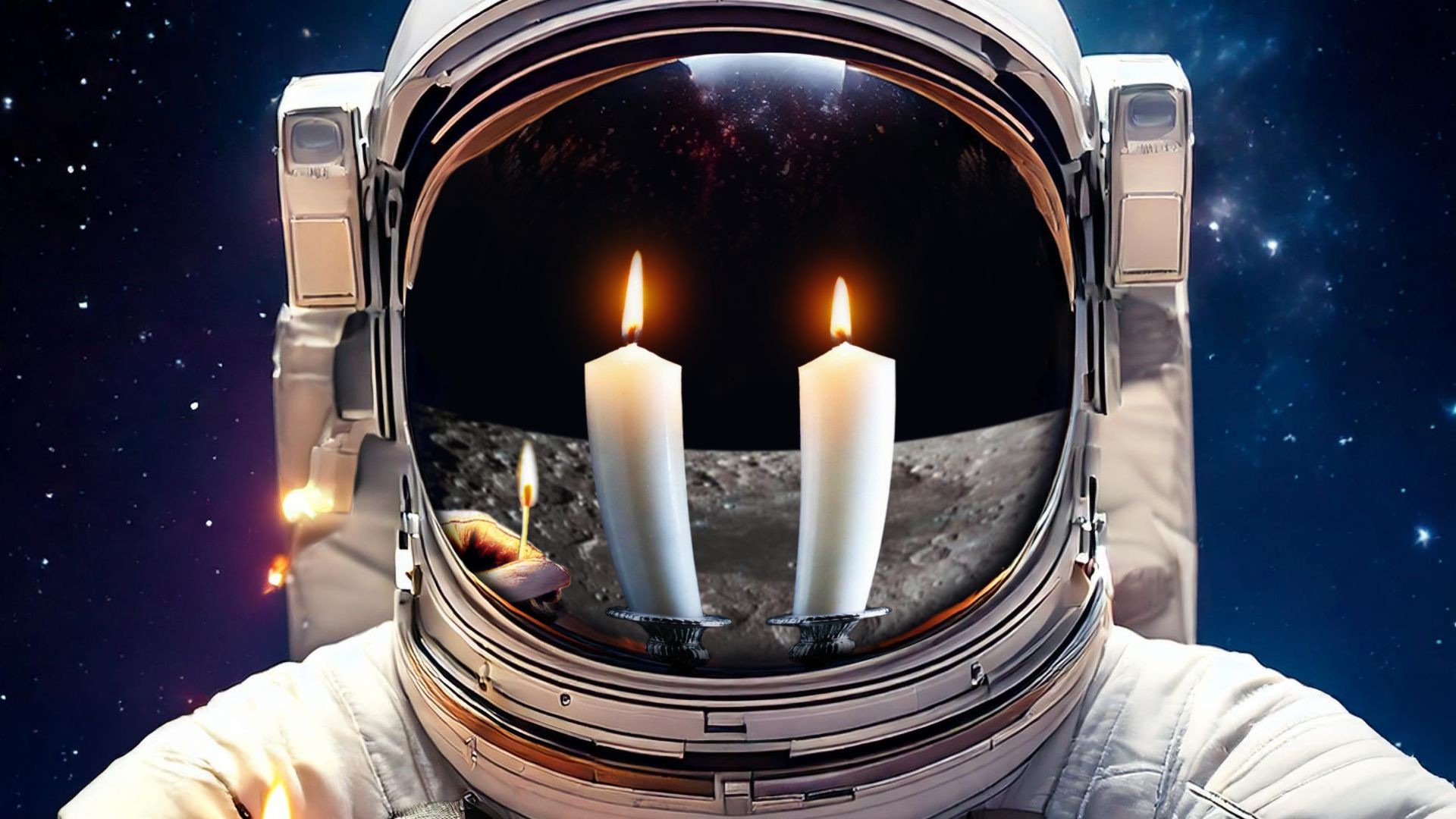
A new documentary, “Fiddler on the Moon: Judaism in Space,” examines a provocative question: how will one of the world’s oldest religions evolve as humanity extends its reach beyond Earth? The film explores the practical and philosophical challenges of maintaining Jewish observance in environments where fundamental tenets – timekeeping based on sunsets and lunar cycles – become obsolete.
The Core Dilemma: Tradition in a New Frontier
The documentary highlights the tension between deeply rooted religious practice and the realities of space travel. Jewish holidays, governed by sunset and the lunar calendar, present immediate logistical problems in orbit (experiencing sixteen sunrises daily) or on celestial bodies like Mars (with a 40-minute longer day). This isn’t a hypothetical future; the film draws on the experience of Israeli astronaut Ilan Ramon, who, before his tragic death in the 2003 Columbia disaster, consulted with a rabbi about observing Shabbat in space. The solution: follow mission control time in Houston.
This dilemma isn’t new. The film connects it to historical precedents like Jewish soldiers in WWII near the North Pole, who followed the time of Anchorage, Alaska, to observe the Sabbath. The underlying theme is clear: Judaism, like any enduring faith, has always adapted to changing circumstances.
Science, Faith, and the Unifying Power of Ritual
The filmmakers emphasize that religion and science aren’t opposing forces. Astrophysicist Neil deGrasse Tyson notes that religious traditions, whether Jewish observances or Muslim prayers, create a unifying social rhythm. His point is straightforward: if collective practice matters on Earth, why abandon it in space?
The documentary also points to the Jewish people’s long history of adaptation under pressure. From persecution to exile, the community has repeatedly faced existential threats. This history, the film argues, uniquely prepares them for the challenges of extraterrestrial life. As Rabbi Ben-Tzion Spitz states, Jews have “a genius for adapting under the harshest conditions.”
Looking Ahead: The Rise of Off-World Communities
With renewed momentum toward lunar and Martian colonization, these questions are becoming urgent. Astronaut Jessica Meir’s Chanukah celebration on the International Space Station (ISS) and her upcoming Artemis 2 mission underscore the need for practical solutions. The film suggests that the model of Israeli Kibbutzim—communal, self-sustaining settlements born from historical necessity—could provide a framework for establishing religious communities in space.
“When you get to space, you’re going to want to share as many things as possible… Kibbutzim will be important for learning how to do that.” – Kelly Weinsersmith, co-author of “A City on Mars.”
A History of Resilience: The Jewish People’s Unique Position
“Fiddler on the Moon” doesn’t shy away from the darker chapters of Jewish history, highlighting the centuries of persecution that forced mass migrations. The film frames this as a paradox: a people defined by displacement may be uniquely suited to colonizing new worlds.
The documentary premiered at the Boca International Jewish Film Festival and has since earned critical acclaim. It’s resonating beyond Jewish communities, sparking conversations at science and faith-based festivals alike. Ultimately, “Fiddler on the Moon” suggests that Judaism’s future in space isn’t just about adapting religious laws; it’s about continuing a tradition of resilience that has defined the Jewish people for millennia.