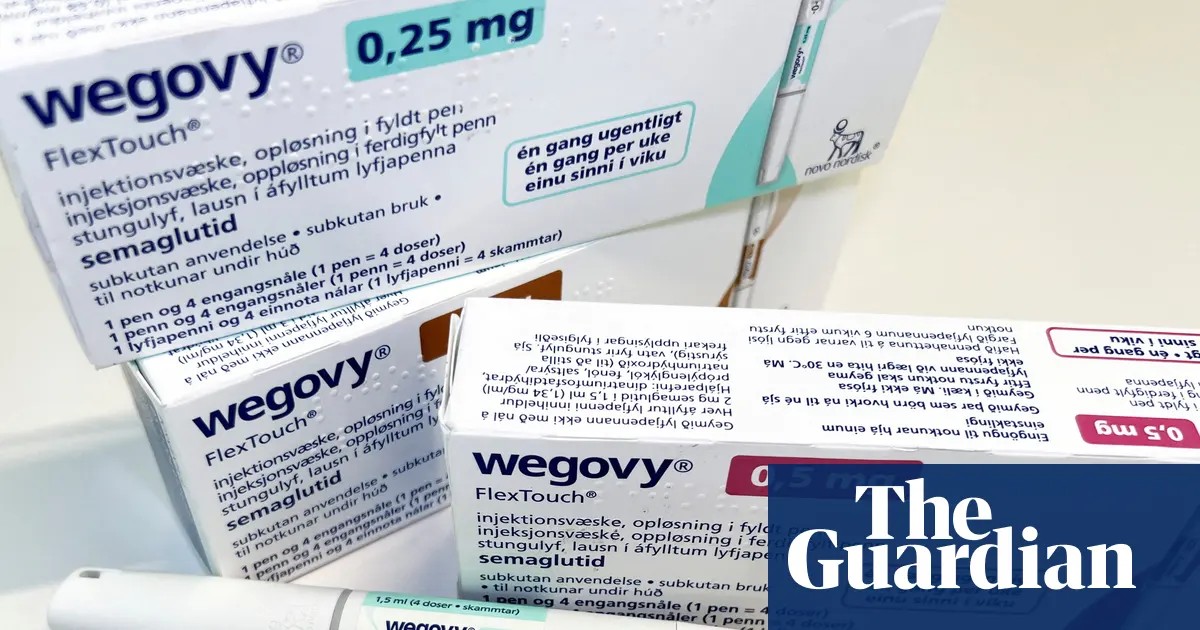
The UK’s escalating obesity crisis cannot be solved through medication alone, according to Professor Chris Whitty, the government’s chief medical advisor. In a recent speech, Whitty cautioned against overreliance on drugs like Mounjaro and Wegovy (GLP-1 agonists), citing unpleasant side effects and the drugs’ inability to provide a lasting solution.
A Critical Look at GLP-1s
While these medications can be effective for weight loss, Whitty emphasized that stopping treatment often leads to rapid weight regain. Moreover, some users experience severe adverse reactions, including pancreatitis, vision loss, and unexpected pregnancies in women on contraception. Even in milder cases, gastrointestinal issues are common.
“Does anyone in this group believe that the correct answer is to allow obesity to rise because of pretty aggressive marketing of obesogenic foods to children and then stick them on GLP-1 agonists at the age of 18?” Whitty questioned, underscoring the ethical and medical concerns of a drug-dependent approach.
The Need for Systemic Change
Whitty advocates for preventative public health measures—such as stricter regulation of junk food advertising and healthier food formulations—as a more effective long-term strategy. He pointed to France, where obesity rates have remained stable since 1990, as evidence that proactive policies can work. The UK, in contrast, has seen obesity rates climb despite decades of efforts.
Lobbying and Media Influence
The failure to address obesity effectively is partly due to the food industry’s aggressive lobbying efforts, which shape media narratives and deter politicians from implementing bold public health measures. Policies that would benefit public health are often framed as “nanny state” interventions, despite widespread public support for action.
Expert Consensus
Obesity experts agree that medication should not replace comprehensive food policy. According to Sonia Pombo of Action on Salt and Sugar, “Weight-loss drugs are not, and must never be treated as, a substitute for a strong, effective food policy.” Katharine Jenner of the Obesity Health Alliance added that relying on drugs to fix a problem caused by an unhealthy food environment is akin to “putting a plaster on a system that continues to generate ill health.”
Conclusion
Professor Whitty’s warning underscores the urgent need for systemic interventions to address the UK’s obesity crisis. While weight-loss drugs may have a role, they cannot replace preventative measures—such as food reformulation, advertising restrictions, and stronger public health policies—that tackle the root causes of the problem. The current trajectory is unsustainable, and bold action is required to reverse course.