



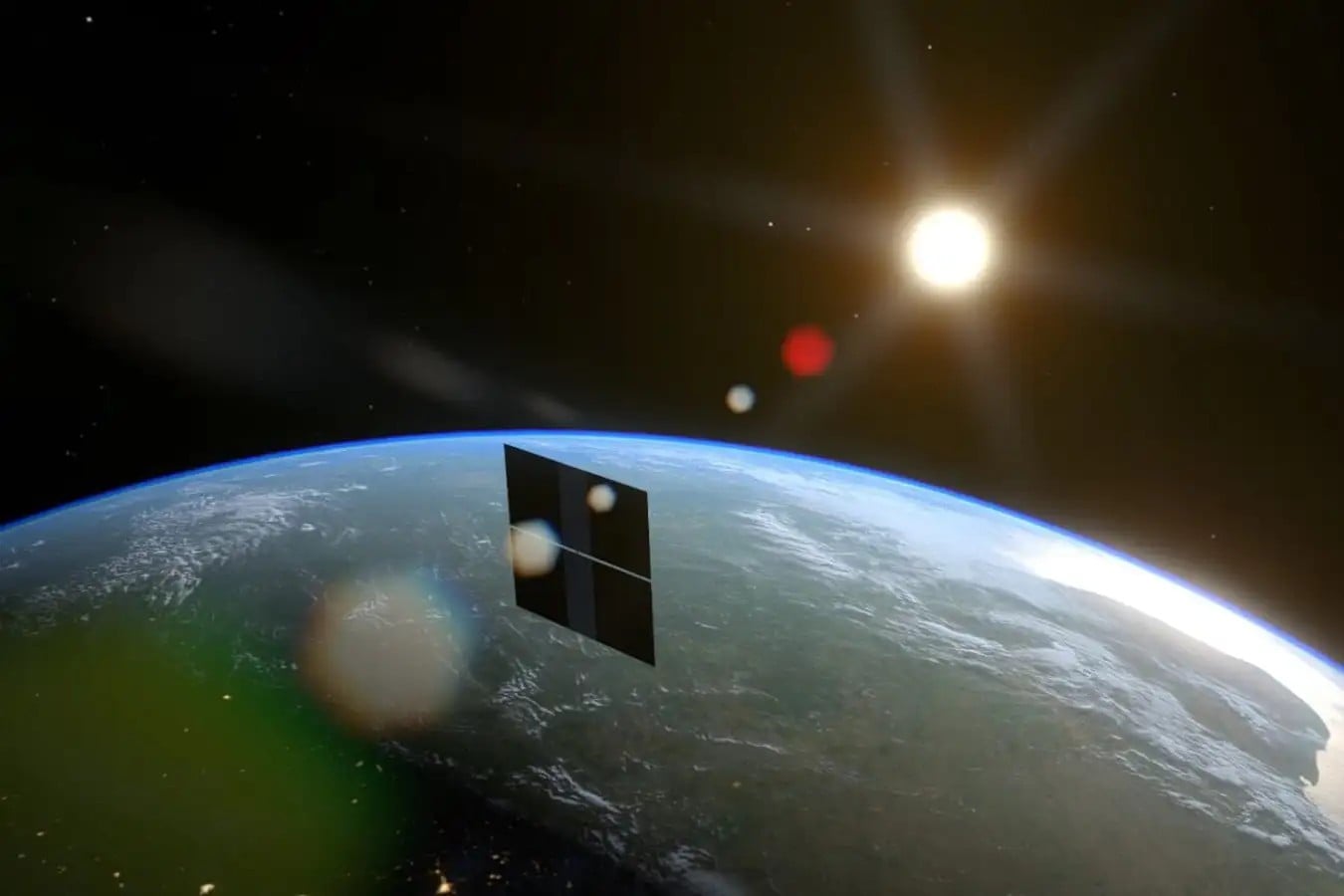
The idea of launching AI’s massive data processing needs into space—orbiting data centers powered by sunlight—has gained attention, but it remains firmly in the realm of long-term possibility, not near-future reality. While tech billionaires like Elon Musk and Jeff Bezos envision gigawatt-scale facilities in orbit within decades, and companies like Google and Nvidia are experimenting with early prototypes, fundamental engineering hurdles stand in the way of large-scale deployment.
The AI Demand and the Energy Problem
The explosive growth of generative AI, exemplified by ChatGPT, has created an unprecedented demand for computing power. This translates into not only immense space requirements but also gigawatts of energy—enough to power millions of homes. Tech firms currently rely heavily on unsustainable energy sources like natural gas, arguing that renewables alone can’t meet the scale or consistency needed for reliable AI operations. This is the core driver behind looking to space: constant solar access without atmospheric limitations.
The Scale Problem: It’s Bigger Than You Think
The biggest obstacle isn’t just launching hardware; it’s the sheer size. AI demands square kilometers of surface area for both solar energy collection and heat dissipation. Unlike Earth, space offers no air for evaporative cooling. All heat must be radiated away, requiring massive radiator panels. Starcloud, for example, plans a 5000-megawatt facility spanning 16 square kilometers—400 times the solar panel area of the International Space Station. This isn’t a minor issue; it’s a fundamental constraint.
Radiation, Communication, and Redundancy
Beyond scale, space presents unique challenges. High-energy radiation can corrupt calculations, slowing performance and requiring constant error correction. Maintaining reliable communication requires precise laser systems to beam data between orbiting facilities and Earth, fighting atmospheric interference. And, operating thousands of satellites together demands extreme precision to avoid collisions or failures.
A Shifting Landscape: Will AI Demand Even Matter?
There’s a further question: will AI still need this much computing power when these space-based solutions become feasible? Some research suggests that AI capabilities may plateau with increasing computational resources, reducing future demand. Even if this happens, there could still be niche uses for space data centers: supporting lunar or solar system exploration, or making Earth observations.
In conclusion, while the concept of space data centers is compelling, the practical realities of scale, engineering, and an uncertain future of AI development mean that it remains a distant prospect. It’s a challenge, not an impossibility, but one that will require breakthroughs in materials science, radiation shielding, and efficient cooling before becoming viable.