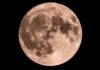

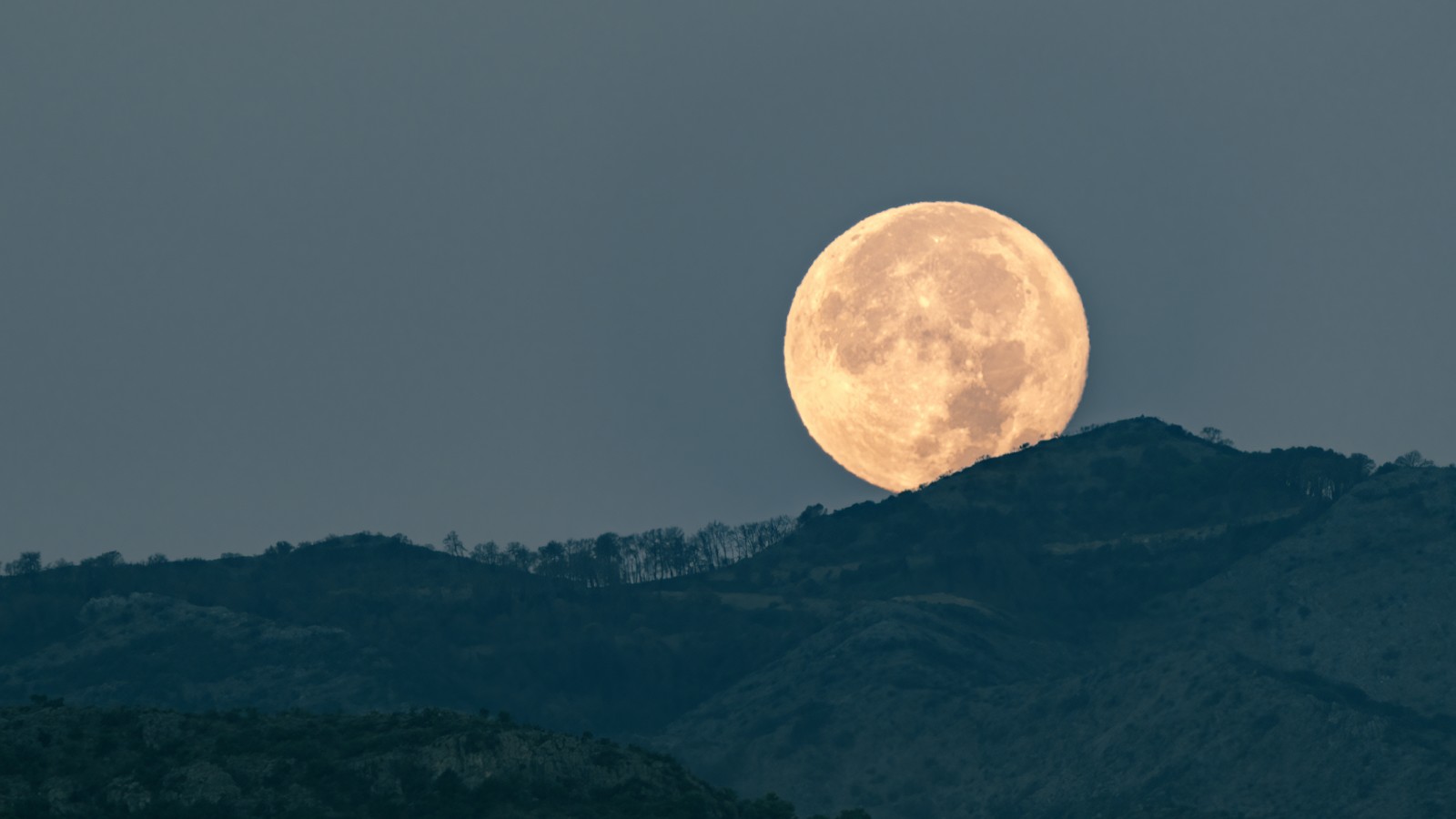
For millennia, observers have noticed that the full moon seems dramatically larger when it’s close to the horizon than when it’s high in the sky. This phenomenon, known as the “moon illusion,” isn’t due to atmospheric effects or actual changes in the moon’s size. Instead, it’s a trick of perception, rooted in how our brains process visual information.
The Illusion’s Persistence
Early theories blamed atmospheric refraction or mist for magnifying the moon, but modern photography disproved this idea. The moon actually appears squished due to atmospheric distortion, not enlarged. So if not the atmosphere, what causes it? Current research points to how our brains interpret size relative to distance.
How the Brain Interprets Size
Our perception of size isn’t a simple measurement; it’s a two-step process. First, the retina registers the object’s size. Second, the brain estimates its distance and adjusts the perceived size accordingly (Emmert’s Law). When the moon is near the horizon, our brains falsely interpret it as being farther away because of surrounding landmarks like trees or buildings. This perceived distance makes the brain think it must be larger to appear the same size.
The Role of Perspective
The illusion persists even on featureless backgrounds like the ocean because of how we unconsciously perceive the sky. Most people visualize the sky as a flattened bowl rather than a hemisphere. This skewed perspective reinforces the idea that the horizon moon is farther away, triggering the size distortion. The effect is similar to the Ponzo illusion, where parallel lines appear to differ in length due to converging perspective.
Testing the Illusion
You can experience this effect yourself with a simple experiment. Stare at a bright light for a few seconds, then look at a blank wall. The afterimage will appear to change size when you shift your gaze between nearby and distant surfaces, illustrating how distance affects perceived size.
The moon illusion isn’t about the moon itself but about the brain’s built-in shortcuts for interpreting visual cues.
Despite knowing how the illusion works, it remains remarkably persistent, demonstrating the power of ingrained perceptual biases. Whether you’re studying brain science or simply enjoying the night sky, understanding the moon illusion adds another layer of wonder to this familiar celestial sight.