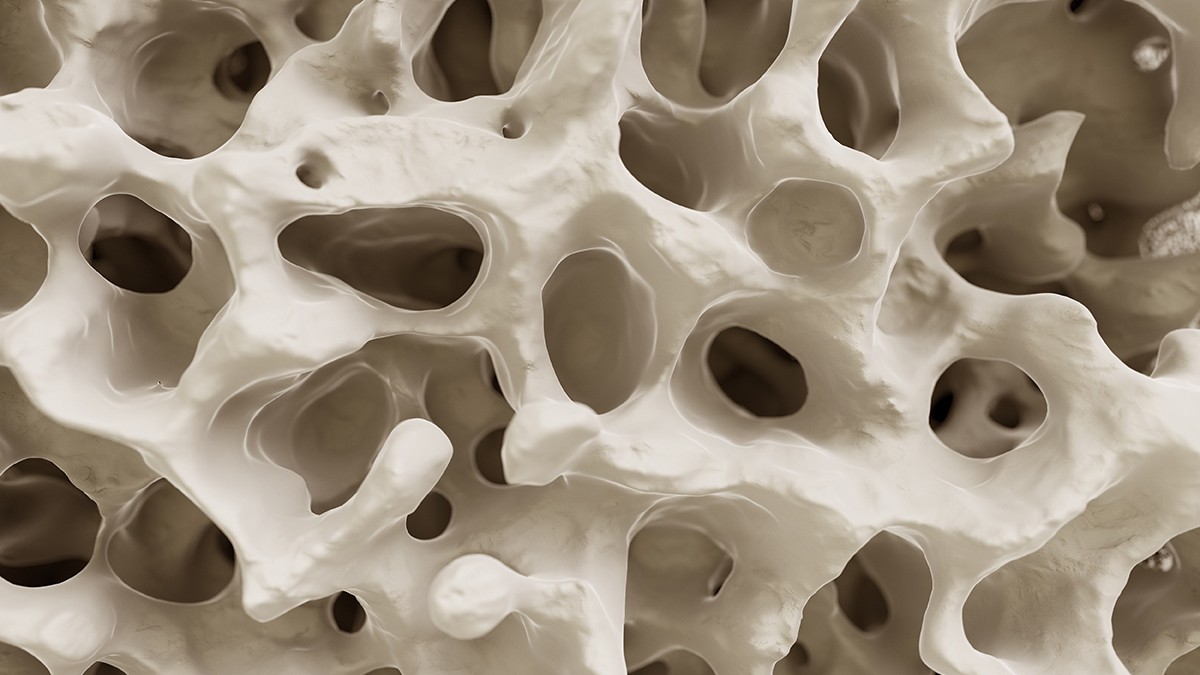

For millions suffering from osteoporosis – a condition where bones become dangerously weak – a major breakthrough in understanding how exercise strengthens bones could pave the way for new treatments. Researchers have pinpointed a key protein that acts as an “exercise sensor” in bone marrow, offering a molecular target for mimicking the benefits of physical activity even without movement. This is significant because while exercise is already known to improve bone health, the precise mechanisms were previously unclear.
The Role of Piezo1: The Body’s Movement Detector
The study, led by the University of Hong Kong, centers on a protein called Piezo1. This protein responds to physical forces like pressure and strain, triggering biological signals that promote bone growth and suppress fat accumulation in bone marrow. When Piezo1 is absent, bones become weaker and fat cells proliferate, as demonstrated in experiments with mice. Removing Piezo1 directly reduced bone density and eliminated the bone-strengthening effects of exercise in the animals.
The researchers identified that Piezo1 controls crucial signaling pathways. Its absence leads to inflammation and fat growth within the bone marrow, but these effects can be reversed by activating the protein or restoring its downstream signals. This reversal is critical because it suggests a potential for therapeutic intervention.
From Lab to Potential Treatments: Mimicking Exercise at the Molecular Level
“We have essentially decoded how the body converts movement into stronger bones,” says Xu Aimin, a biomedical scientist at the University of Hong Kong. The implication is that future drugs could activate the Piezo1 pathway, essentially tricking the body into responding as if it were exercising – even when it isn’t. This is especially crucial for populations where exercise is difficult or impossible, such as the elderly or those with severe frailty.
Osteoporosis becomes more common with age, and current treatments often rely on lifestyle changes or medications with limited effectiveness. A drug that could replicate the biological benefits of exercise represents a substantial advance.
Caveats and Future Directions
While promising, the research is still in its early stages. The study was conducted on mice, and translating these findings to humans requires caution. Piezo1 plays multiple roles in the body, and manipulating it without unintended consequences will be challenging. Nevertheless, this study significantly improves our understanding of osteoporosis development. With global populations aging, finding ways to maintain bone health for longer is increasingly urgent.
“This offers a promising strategy beyond traditional physical therapy,” says mechanobiologist Eric Honoré. “In the future, we could potentially provide the biological benefits of exercise through targeted treatments, slowing bone loss in vulnerable groups and substantially reducing their risk of fractures.”
Ultimately, this research provides a clear target for intervention. By activating the Piezo1 pathway, scientists may be able to mimic the benefits of exercise, offering a new approach to combatting osteoporosis and improving the lives of millions.