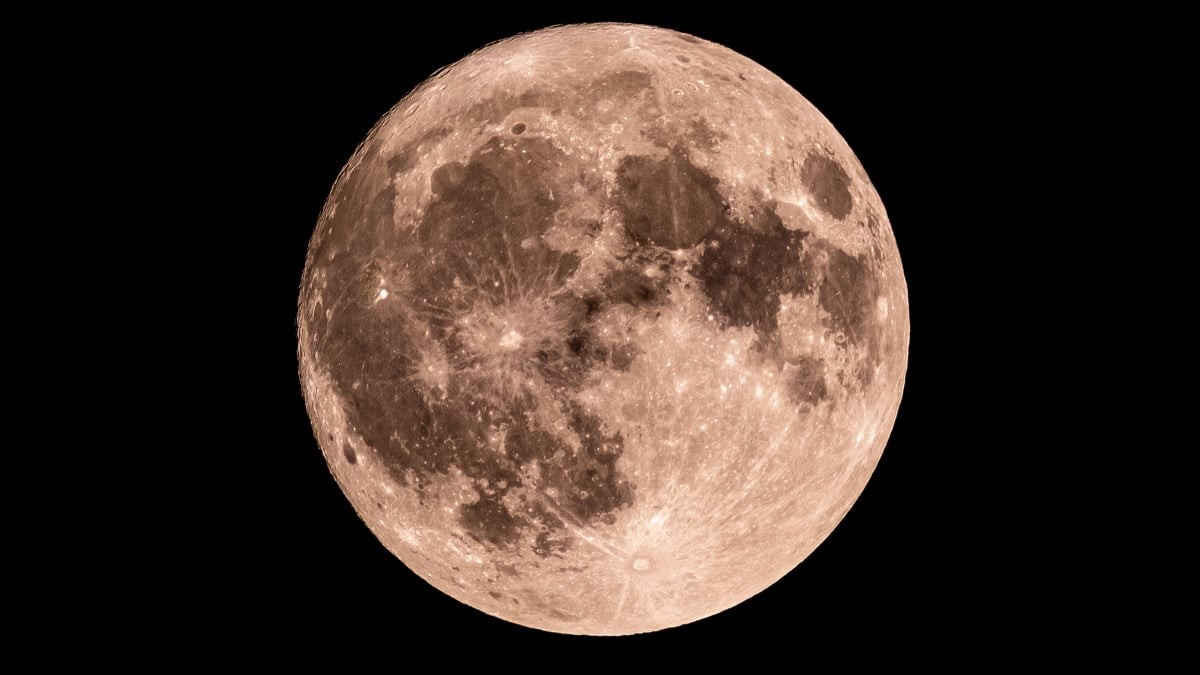

The Moon is in its Waxing Gibbous phase tonight, meaning it’s almost fully illuminated. As of January 31, 2025, approximately 97% of the Moon’s surface is visible from Earth. The next Full Moon will occur tomorrow, February 1st, continuing a cycle that repeats roughly every 29.5 days.
Understanding the Lunar Cycle
The Moon’s phases aren’t random. They are the result of the changing angles at which we view the illuminated surface as it orbits Earth. The Moon always shows us the same side, but the amount of sunlight reflecting off it changes, giving us the familiar sequence of phases.
Here’s a breakdown of all eight phases:
- New Moon: The Moon is between Earth and the Sun, rendering its visible side dark.
- Waxing Crescent: A sliver of light begins to appear on the right side (in the Northern Hemisphere).
- First Quarter: Half of the Moon is lit, resembling a half-circle.
- Waxing Gibbous: More than half of the Moon is illuminated, growing toward fullness.
- Full Moon: The entire visible surface shines brightly.
- Waning Gibbous: Light begins to recede from the right side.
- Third Quarter (Last Quarter): The left half of the Moon is illuminated.
- Waning Crescent: Only a thin sliver remains visible before the cycle begins again.
What You Can See Tonight
Even without specialized equipment, observers can expect to see prominent lunar features such as the Mares Fecunditatis and Crisium, along with the Aristarchus Plateau. Binoculars will reveal details in craters like Alphonsus, Posidonus, and Clavius. Telescopes will bring out even more: the Apollo 12 landing site, the Linne Crater, and the rugged Caucasus Mountains.
The Moon’s cycle is fundamental to understanding lunar events. The same side of the Moon always faces us, yet the visible illumination changes predictably over time. Observing these phases can be a simple, yet rewarding way to connect with space.