

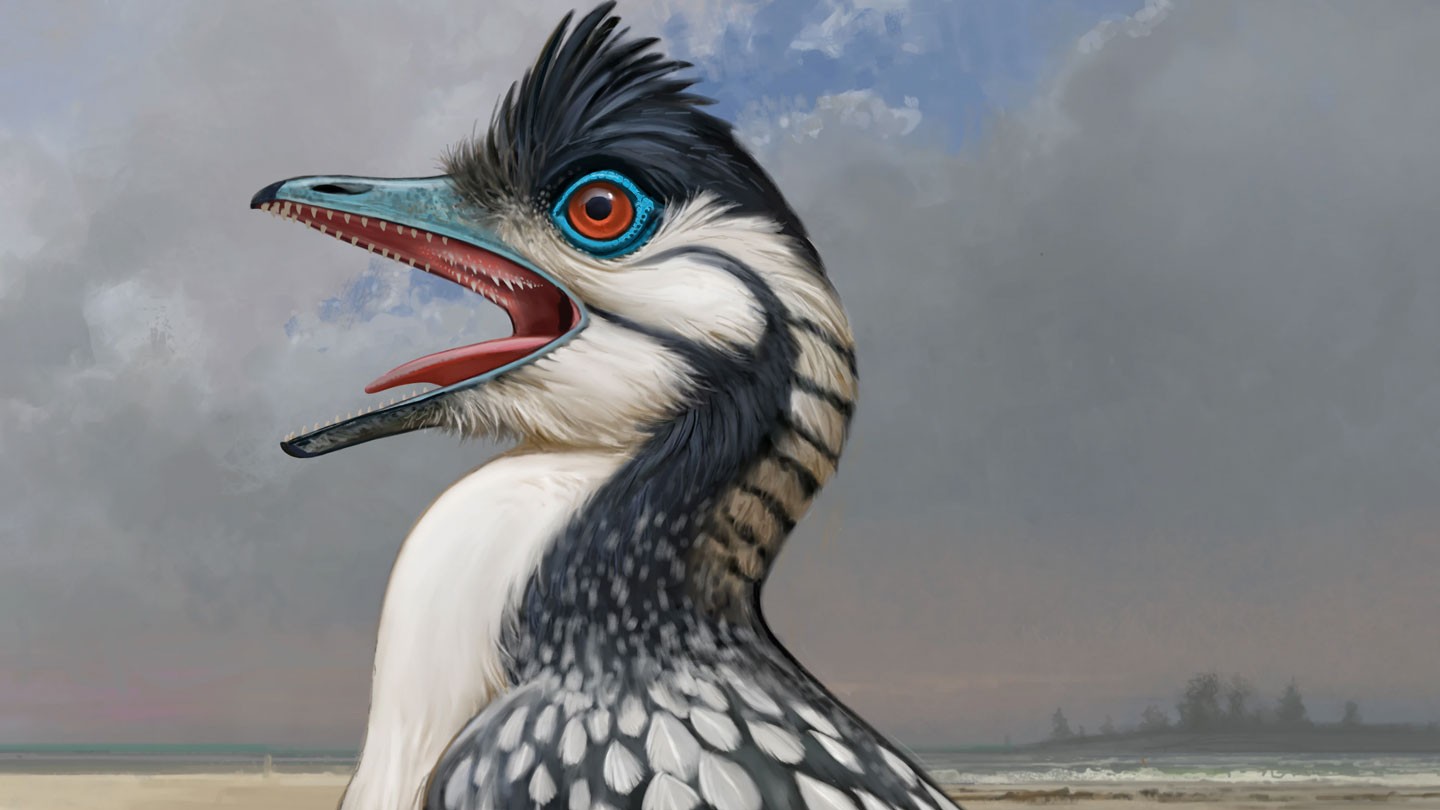
Archaeopteryx, the earliest known transitional dinosaur-bird, possessed a highly specialized mouth structure that likely fueled its ability to fly. A new analysis of a remarkably well-preserved fossil reveals key anatomical features previously unseen, suggesting that efficient feeding played a crucial role in the evolution of avian flight.
The Archaeopteryx Fossil: A Window into Avian Origins
Discovered in 1861, Archaeopteryx remains pivotal to understanding the link between dinosaurs and modern birds. The newly studied specimen, acquired by the Field Museum in 2022 after decades in private collections, is one of the most complete examples ever found. Researchers used advanced X-ray and ultraviolet imaging to reveal details of its skull, uncovering evidence of features associated with enhanced food intake.
This discovery matters because flight is energetically expensive. Animals that fly need to consume more calories than those that don’t. The new study suggests that Archaeopteryx evolved an efficient mouth to meet these demands.
Three Key Anatomical Features
The analysis identified three significant features in the Archaeopteryx fossil:
- Oral Papillae: Bumps on the roof of the mouth, visible under UV light, resemble structures in modern birds that help manipulate food.
- Mobile Tongue Bone: A bone similar to those found in modern birds, indicating increased tongue maneuverability.
- Bill-Tip Nerves: Tiny tunnels at the beak’s tip suggest a sensory organ used for foraging, similar to those in contemporary birds.
These features collectively point to a refined feeding system, one that may have provided the energy needed for powered flight.
The Connection to Flight: A Hypothesis
Paleontologist Jingmai O’Connor explains that the evolution of birds involved an increase in caloric demands, leading to the development of mobile tongues and oral papillae. The fossil evidence supports the idea that Archaeopteryx was adapting to meet these demands.
However, Michael Pittman, a paleontologist not involved in the study, emphasizes that proving a direct link between these features and flight will require further research. The current hypothesis is exciting, but more sampling is needed to confirm the relationship.
“Whether it’s a relationship with flight…is very much a working hypothesis. I think we need to do more sampling to be able to support that.” – Michael Pittman
Conclusion
The new study of Archaeopteryx adds a critical piece to the puzzle of avian evolution. While the exact connection between its feeding anatomy and flight remains a hypothesis, the discovery strengthens the idea that efficient food intake was vital in the development of powered flight. The fossil’s well-preserved state and advanced imaging techniques are helping scientists refine their understanding of how dinosaurs transitioned into the birds we know today.