




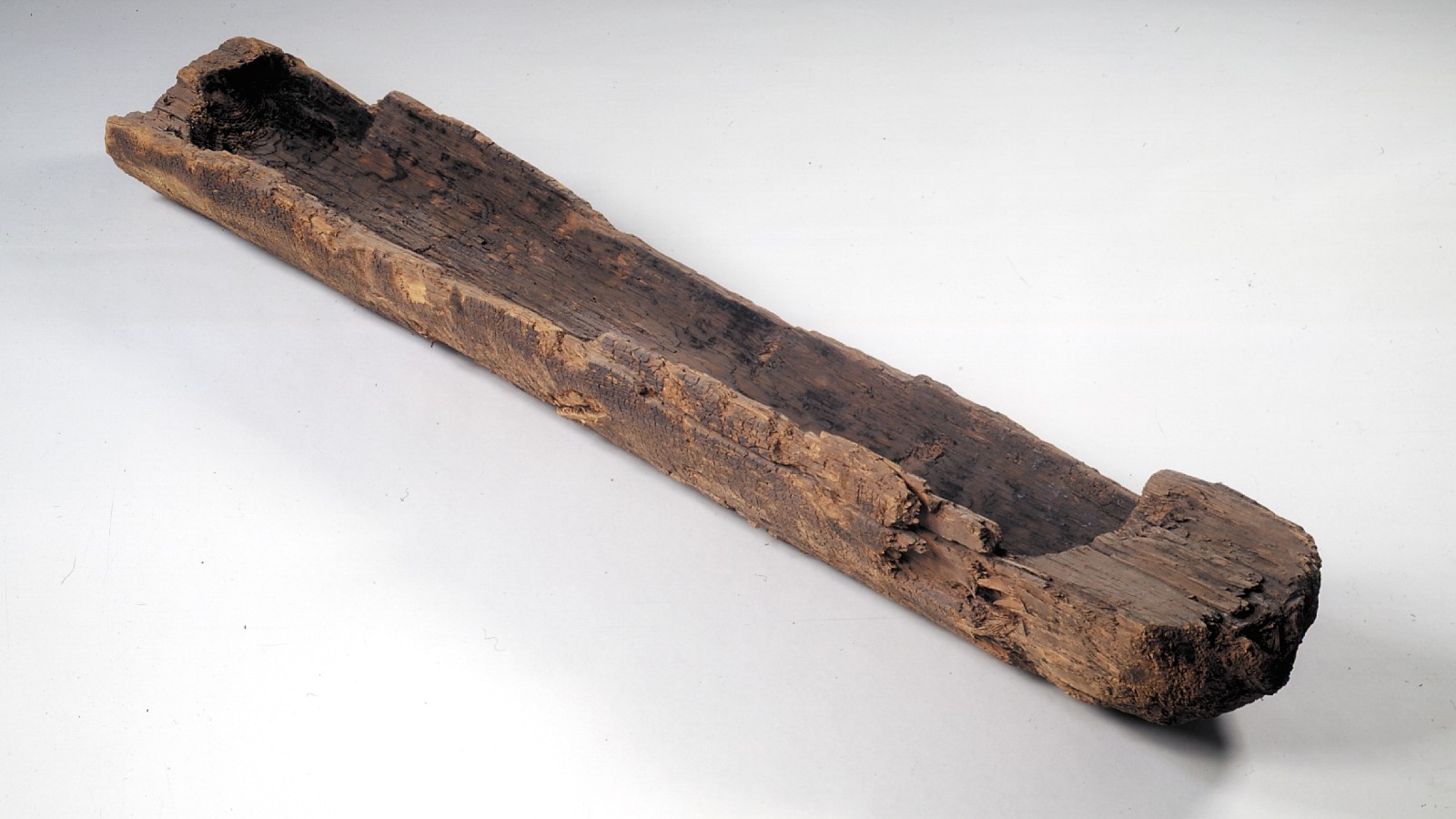
For millennia, humans have depended on boats to explore, trade, hunt, and migrate. While the oldest confirmed physical evidence of a watercraft dates back just 10,000 years, scientific findings strongly suggest that boats were used much earlier—possibly even by our Homo erectus ancestors over a million years ago. The story of boat invention isn’t just about wood and paddles; it’s about how humanity overcame one of the greatest natural barriers.
Early Evidence: From Canoes to Continent Hopping
The oldest known boat remains, the Pesse canoe, was discovered in the Netherlands in 1955. This 10-foot hollowed log, dating to around 8000 B.C., offers a concrete example of early boatbuilding. But the Pesse canoe is just the tip of the iceberg. The real story begins much earlier with the first human migrations.
The earliest strong evidence for seafaring comes from the settlement of Australia between 50,000 and 65,000 years ago. Reaching the continent required crossing significant stretches of open ocean from Asia, which could only be achieved using some form of watercraft. Researchers studying ancient DNA have confirmed this timeframe, showing that Australian populations diverged from other continents during this period. This means boats were essential for human expansion into new territories.
Pushing Back the Timeline: Crete, Indonesia, and Beyond
The debate doesn’t stop at 50,000 years ago. Archaeological discoveries suggest even earlier seafaring activity. Stone tools found on the Greek island of Crete have been dated to at least 130,000 years ago. While these dates are contested, if accurate, they would mean humans were sailing the Mediterranean long before Homo sapiens dominated the planet.
Further east, evidence from Indonesia challenges our understanding of who first used boats. Stone tools found on the islands of Flores and Sulawesi have been dated back as far as 1.04 million years. These findings suggest that Homo erectus, an earlier hominin species, may have used rafts or simple boats to reach these islands. However, some scientists theorize these early arrivals were accidental—carried by natural rafts of vegetation rather than intentional seafaring.
Why Boats Mattered: Beyond Survival
The invention of boats wasn’t just about overcoming geographical barriers. It was about access to resources and expanding possibilities. Early boats were likely used for fishing, gathering aquatic food, and transporting goods such as animal carcasses and stone tools. Boats dramatically increased logistical capacity, making long-distance travel and resource acquisition far more efficient.
Beyond practicality, exploration and curiosity also drove the development of seafaring. The human tendency to explore new regions and the need to move entire groups of people with their belongings likely fueled the refinement of watercraft.
Ultimately, the history of boats is the history of human innovation and adaptability. Whether constructed from hollowed logs or simple rafts, boats have always been central to our expansion, survival, and exploration of the world. The precise origins remain debated, but the evidence confirms one thing: humans have been at sea for far longer than most assume.