


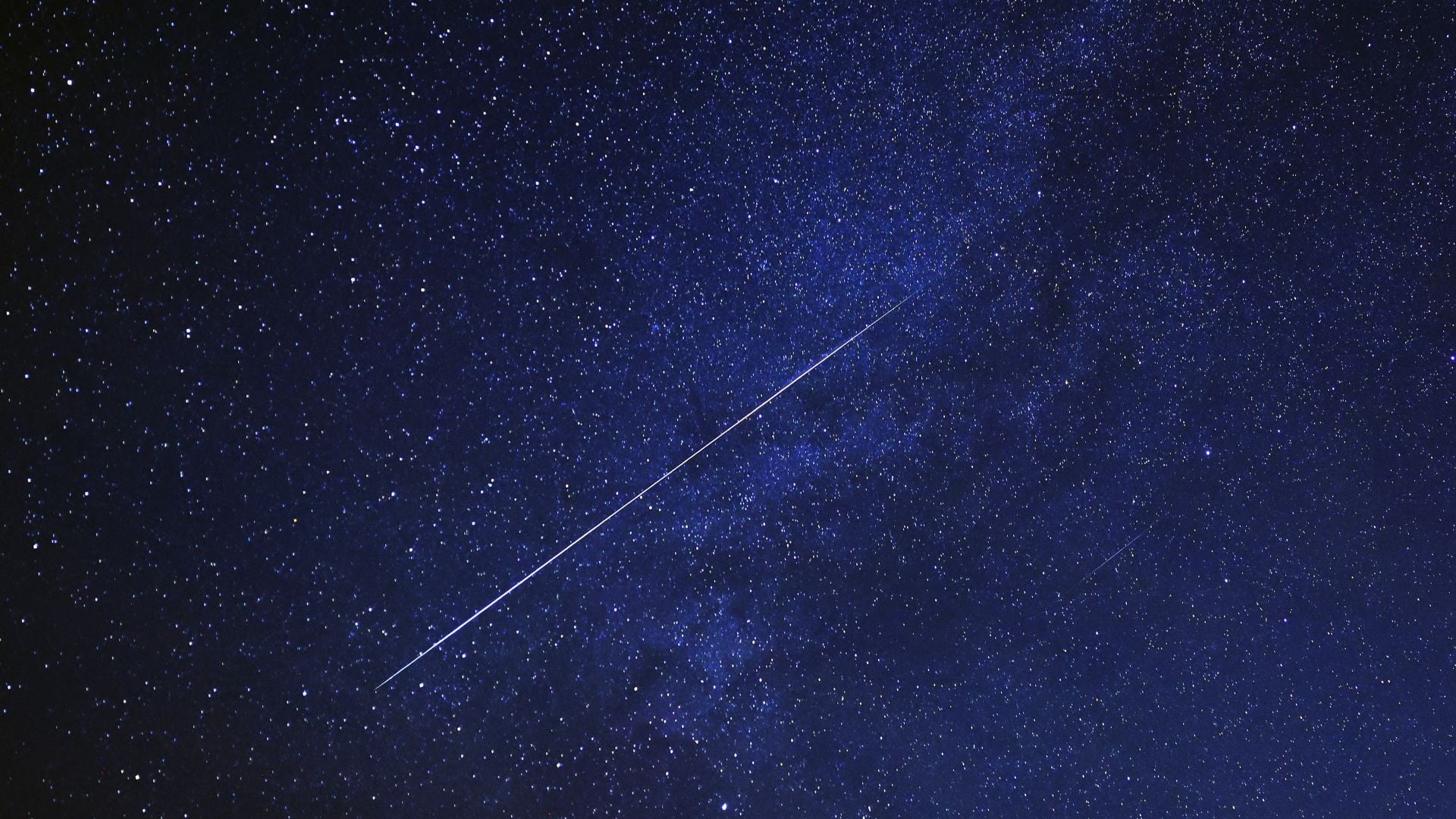
The Geminid meteor shower, one of the year’s most reliable and stunning celestial events, will peak overnight on December 13-14. For those unable to observe from dark skies – or who simply prefer the comfort of home – a free livestream hosted by the Virtual Telescope Project offers a perfect viewing opportunity.
What Are the Geminids?
The Geminids occur annually when Earth passes through the dusty trail left behind by asteroid (3200) Phaethon. Unlike most meteor showers originating from comets, the Geminids are linked to an asteroid, making them unusually bright and frequent.
How to Watch the Livestream
The Virtual Telescope Project’s livestream begins at 4 p.m. EST (2100 GMT) on December 13 on their YouTube channel, weather permitting. The stream will continue until dawn, broadcasting from a super-wide-angle all-sky camera in Manciano, Italy – a region known for exceptionally dark skies.
Under ideal conditions, observers can see up to 150 meteors per hour at the peak, though light pollution typically reduces visibility. The livestream guarantees a view regardless of clouds or location.
Observing on Your Own
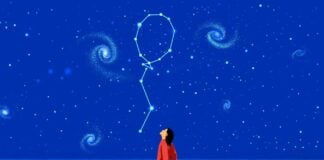
If you plan to look for the Geminids yourself, focus on the constellation Gemini. Meteors will appear to radiate from near the star Castor, rising in the eastern sky a few hours after sunset. Viewing is best from mid-evening until dawn, though a waning crescent moon (26% illuminated) may slightly impact visibility in the hours before sunrise.
Why This Matters
Meteor showers like the Geminids offer a beautiful reminder of the constant cosmic debris surrounding Earth. These events are a simple, accessible way to connect with the universe, even without specialized equipment. Whether you watch from home or venture outside, the Geminids provide a dazzling spectacle of natural light.
The Virtual Telescope Project’s livestream ensures that everyone, regardless of location or weather, can experience this annual cosmic display.