Der Mensch hinterfragt instinktiv selbstlose Taten. Das ist kein Zynismus, sondern ein tief verwurzeltes soziales Kalkül: Wir gehen davon aus, dass jeder einen Standpunkt hat, und bestrafen oft diejenigen, die zu tugendhaft erscheinen. Aktuelle Forschungsergebnisse bestätigen, was viele vermuten: Menschen ärgern sich über diejenigen, die scheinbar geben, ohne eine Gegenleistung zu wollen, manchmal sogar mehr als diejenigen, die offen eigennützig sind.
Das Paradox des Altruismus
Experimente wie das „Spiel um öffentliche Güter“ zeigen, dass großzügige Spender oft mit Argwohn oder sogar Feindseligkeit betrachtet werden. Spieler nehmen es übel, wenn sie freiwillig in einen gemeinsamen Topf spenden, weil sie dadurch andere schlecht aussehen lassen oder Großzügigkeit für den Status vortäuschen. Einige zahlen sogar dafür, den Wohltäter zu bestrafen, und machen damit eine beunruhigende Wahrheit deutlich: Wir fühlen uns wohler mit offenkundigem Eigennutz als mit Handlungen, die zu rein erscheinen.
Hier geht es nicht um Logik, sondern um Fairness. Menschen wägen unbewusst soziale Belohnungen gegen persönliche Kosten ab. Wenn jemand scheinbar Lob erntet, ohne „den Preis zu zahlen“ – also ohne echte Opferbereitschaft –, wirkt das trügerisch. Ein Freund, der sich ehrenamtlich in einem Obdachlosenheim engagiert, um den Manager zu beeindrucken, wird aus dem gleichen Grund härter beurteilt als jemand, der einen Job in einem Café annimmt. Die Tat selbst spielt keine Rolle; Es ist das wahrgenommene Ungleichgewicht zwischen Anstrengung und Anerkennung.
Der Effekt des verdorbenen Altruismus
Das als „verdorbener Altruismus“ bekannte Phänomen zeigt, dass wir Freundlichkeit schneller verurteilen, wenn sie scheinbar darauf abzielt, unverdiente soziale Vorteile zu generieren. Ein Resortbesitzer, der Strände für Werbezwecke reinigt, steht unter strengerer Beobachtung als jemand, der dies im Stillen tut. Sogar Selbstzufriedenheit, die sich aus Nächstenliebe ergibt, gilt als akzeptabler als die aktive Suche nach Lob für gute Taten.
Forscher wie Sebastian Hafenbrädl von der Universität Navarra haben dies ausführlich getestet. Die Teilnehmer beurteilen diejenigen, die ihre Großzügigkeit zur Schau stellen, durchweg härter als diejenigen, die sie diskret wahren. Das Eingeständnis von Hintergedanken kann den Schlag sogar mildern: Durch Transparenz wird der Eindruck unverdienter sozialer Belohnungen beseitigt.
Die evolutionären Wurzeln des Misstrauens
Das ist nicht nur eine moderne Eigenart. Unsere Vorfahren lebten in kleinen Gruppen, in denen der Ruf zählte. Trittbrettfahren (Nehmen ohne Geben) wurde bestraft, aber auch übermäßige Großzügigkeit, die auf Manipulation oder eine versteckte Absicht hindeuten könnte. Der Verdacht war ein Überlebensmechanismus, der für Gerechtigkeit sorgte und Ausbeutung verhinderte.
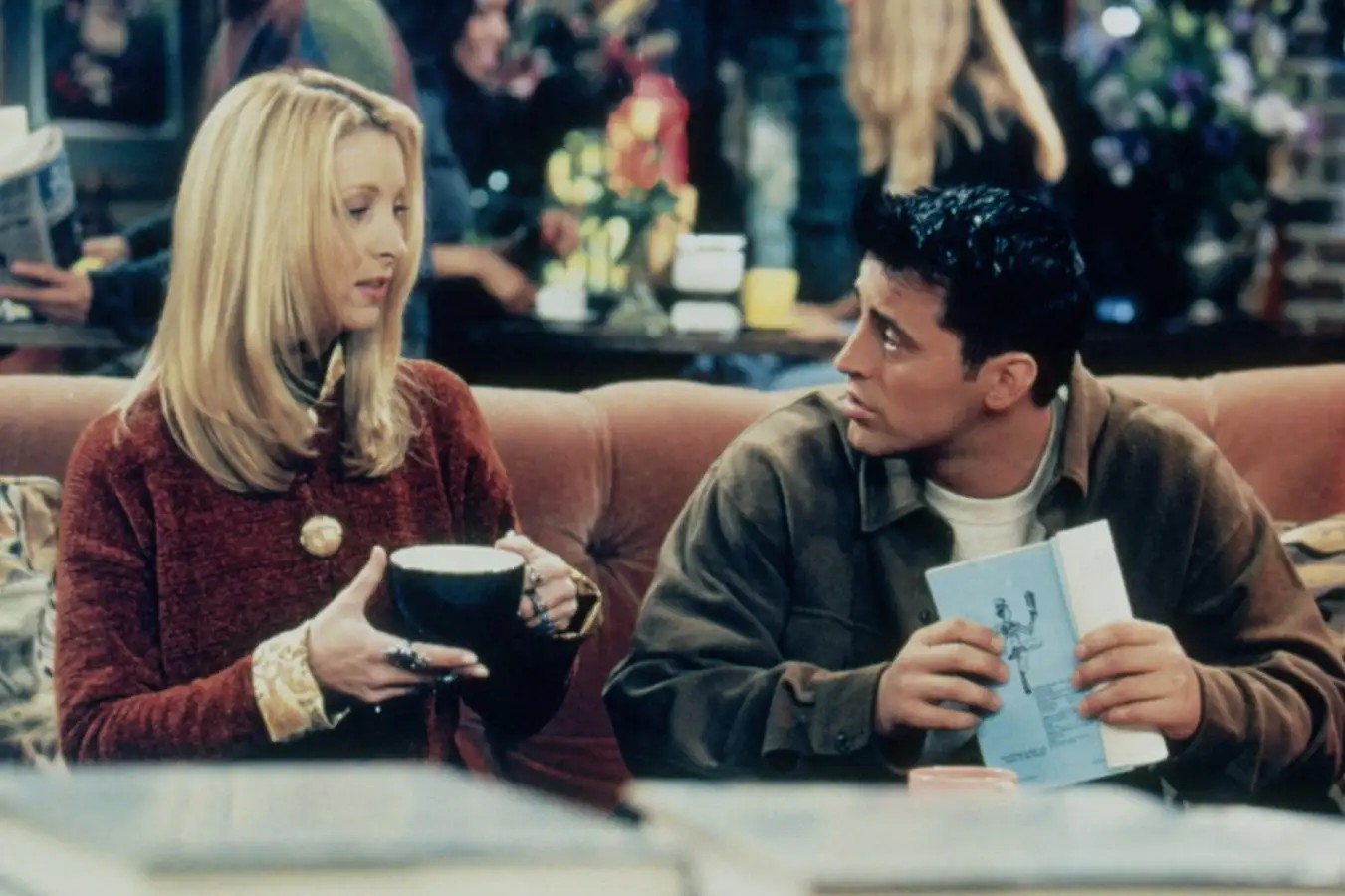
Die Ironie besteht darin, dass reiner Altruismus selten vorkommt. Wie die Friends -Folge zeigt, haben selbst gut gemeinte Taten oft unbeabsichtigte Folgen. Obwohl Phoebe PBS nicht mochte, entsprang Phoebes Spende für Joeys Spendenaufruf letztendlich ihrer eigenen Freude über sein Glück. Vielleicht sind, wie Joey argumentiert, alle Handlungen letztlich egoistisch.
Die Erkenntnis ist klar: Auch wenn Freundlichkeit wertvoll ist, neigen Menschen dazu, sie in Frage zu stellen. Dies ist nicht unbedingt ein Fehler, sondern ein Spiegelbild der komplexen sozialen Berechnungen, die unsere Interaktionen bestimmen.