




New research identifies betaine, a naturally occurring molecule, as a key mediator of exercise’s health benefits, particularly its ability to slow biological aging. The study suggests betaine isn’t just correlated with exercise; it actively drives some of the positive changes seen in the body, opening potential avenues for “exercise in a pill” treatments.
How the Research Uncovered Betaine’s Role
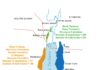
Researchers at Xuanwu Hospital Capital Medical University in China conducted a long-term study on 13 healthy male volunteers. Using a multi-omics approach, they tracked changes across genes, proteins, the immune system, and small molecules like betaine. The results showed that consistent exercise (specifically, regular running) leads to increased betaine production in the kidneys.
From Short-Term Stress to Long-Term Gains
A single run triggers a short-lived stress response, but prolonged exercise induces lasting improvements. These include reduced cell aging, a healthier gut microbiome, and enhanced immune function. The key? Elevated betaine levels.
Betaine Blocks Inflammation and Aging
Through tests on mice, researchers discovered that betaine inhibits TBK1, an enzyme linked to inflammation and aging. This suggests betaine doesn’t just result from exercise; it actively contributes to the anti-aging effects.
The Potential for “Exercise in a Pill”
The findings could lead to developing treatments that mimic the health benefits of exercise without requiring physical activity. This is particularly promising for populations unable to exercise due to physical limitations or other health conditions.
Exercise Still Matters
While betaine offers a potential pharmacological pathway, researchers emphasize that exercise provides broader benefits – including increased muscle strength and improved mental health – not covered in this study. Betaine is one piece of a larger puzzle.
What This Means for the Future
The discovery of betaine’s role in exercise-induced anti-aging is a significant step towards understanding the molecular mechanisms behind physical activity’s health benefits. More research, involving larger groups and longer study periods, is needed to fully unlock betaine’s potential. But this research redefines the idea of “exercise as medicine,” moving closer to targeted interventions for healthy aging.