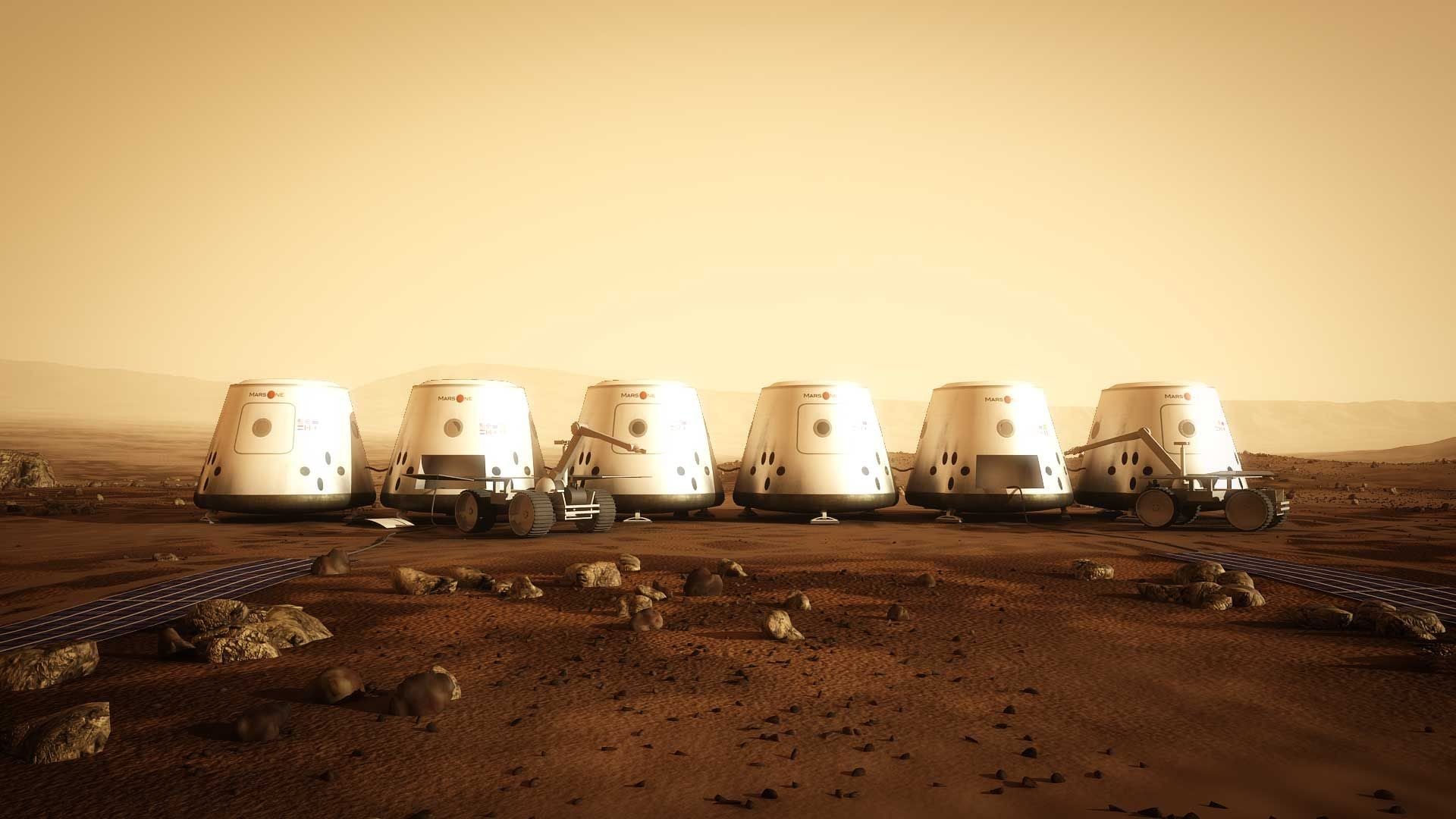
The prospect of establishing a permanent human presence on Mars hinges on overcoming monumental logistical and financial hurdles. Traditional approaches – shipping habitats and building materials from Earth – are prohibitively expensive. However, a groundbreaking new proposal suggests an alternative: building with bacteria on Mars itself.
The Challenge of Martian Colonization
Sending humans to Mars, currently projected by NASA for the 2030s, is not just about getting there. It’s about sustaining a colony. The cost of transporting even basic infrastructure would be astronomical, making long-term settlements impractical without radical solutions. This is where the concept of in-situ resource utilization (ISRU) comes into play: using materials already present on the planet.
Biomineralization: Nature’s Martian Concrete
Researchers at the Polytechnic University of Milan have identified a potential ISRU pathway: biomineralization. This process leverages living organisms to produce minerals, effectively turning Martian soil into usable building material. Their work focuses on two specific bacteria: Sporosarcina pasteurii and Chroococcidiopsis.
Sporosarcina pasteurii secretes natural polymers that bind Martian regolith (rocks and dust) into a concrete-like substance. Combining this bacterium with Chroococcidiopsis, which produces oxygen, creates a “co-culture” capable of both structural support and life-support capabilities. This opens the door to 3D-printing habitats directly from Martian resources.
Beyond Bricks: Sustainable Life Support
The potential applications extend far beyond simple construction. Chroococcidiopsis can contribute to breathable air, while Sporosarcina pasteurii’s metabolic byproducts, including ammonia, could be harnessed for closed-loop agricultural systems. Over decades, these processes may even contribute to the long-term goal of terraforming Mars.
The key takeaway is this : instead of relying on Earth-based materials, future Martian colonists may be able to grow their own infrastructure and sustain themselves using the planet’s natural resources – all thanks to the power of microscopic life. This approach could dramatically reduce costs, increase sustainability, and ultimately make long-term Martian settlement a viable reality.