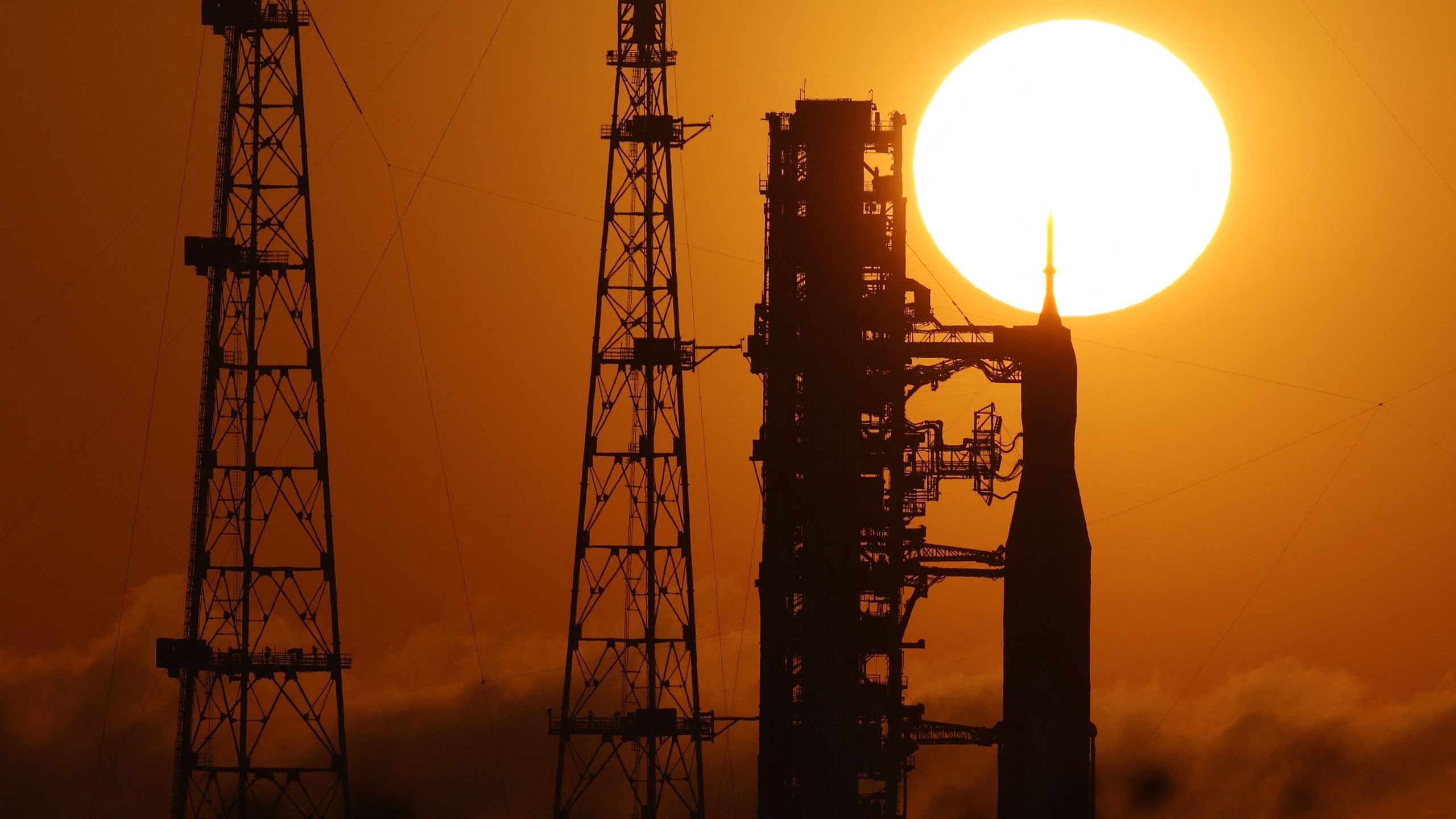
NASA’s upcoming Artemis II mission, sending astronauts on a lunar flyby, will proceed despite heightened solar activity – a period when radiation exposure in deep space reaches potentially dangerous levels. Experts confirm that while the sun’s peak activity presents risks, it also offers some protection against longer-term cosmic radiation.
Understanding Space Weather and its Impact
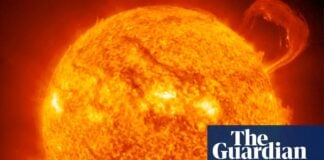
Space weather consists of high-energy particles and radiation bursts from the sun. Solar flares emit intense, fast-moving particles that can penetrate spacecraft hulls, posing an immediate threat. Longer-term events, like coronal mass ejections (CMEs), create auroras on Earth but are less harmful to astronauts due to their lower energy. However, the most insidious threat is galactic cosmic rays : constant, high-energy radiation that accumulates over time, akin to daily chest X-rays.
According to space physicist Patricia Reiff, the stronger solar wind during solar maximum actually reduces exposure to galactic cosmic rays. “If I were going on a long mission, I’d go at solar maximum,” Reiff explains. “The sun helps clear out our neck of the woods.” Despite this, unpredictable solar flares remain a concern, capable of delivering nearly lethal radiation doses in hours.
The Risk of Superflares and Mission Timing
Some scientists have argued for delaying Artemis II due to the increased probability of “superflares” during this active solar cycle. Reiff, however, points out that the current cycle isn’t exceptionally strong compared to historical ones. While superflares are possible, continuous monitoring of sunspot activity and magnetic field structure can provide some warning.
The Orion spacecraft is also better shielded than Apollo-era vehicles, mitigating some risks. Still, astronauts carry radiation monitors, with strict lifetime exposure limits in place. The job is inherently dangerous, and astronauts accept that risk when signing up for deep space missions.
Measuring and Managing Radiation Exposure
NASA tracks cumulative radiation exposure for astronauts, with a higher permissible lifetime dose than commercial pilots due to the unique dangers of space travel. Artemis II also serves as a research opportunity, collecting data on how deep space radiation affects the human body.
The mission will proceed despite the risks, balancing scientific opportunity with the known hazards of operating outside Earth’s protective magnetic field. The data gathered will inform future long-duration missions and refine safety protocols for deep space exploration.