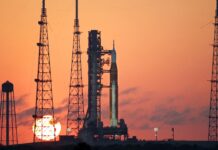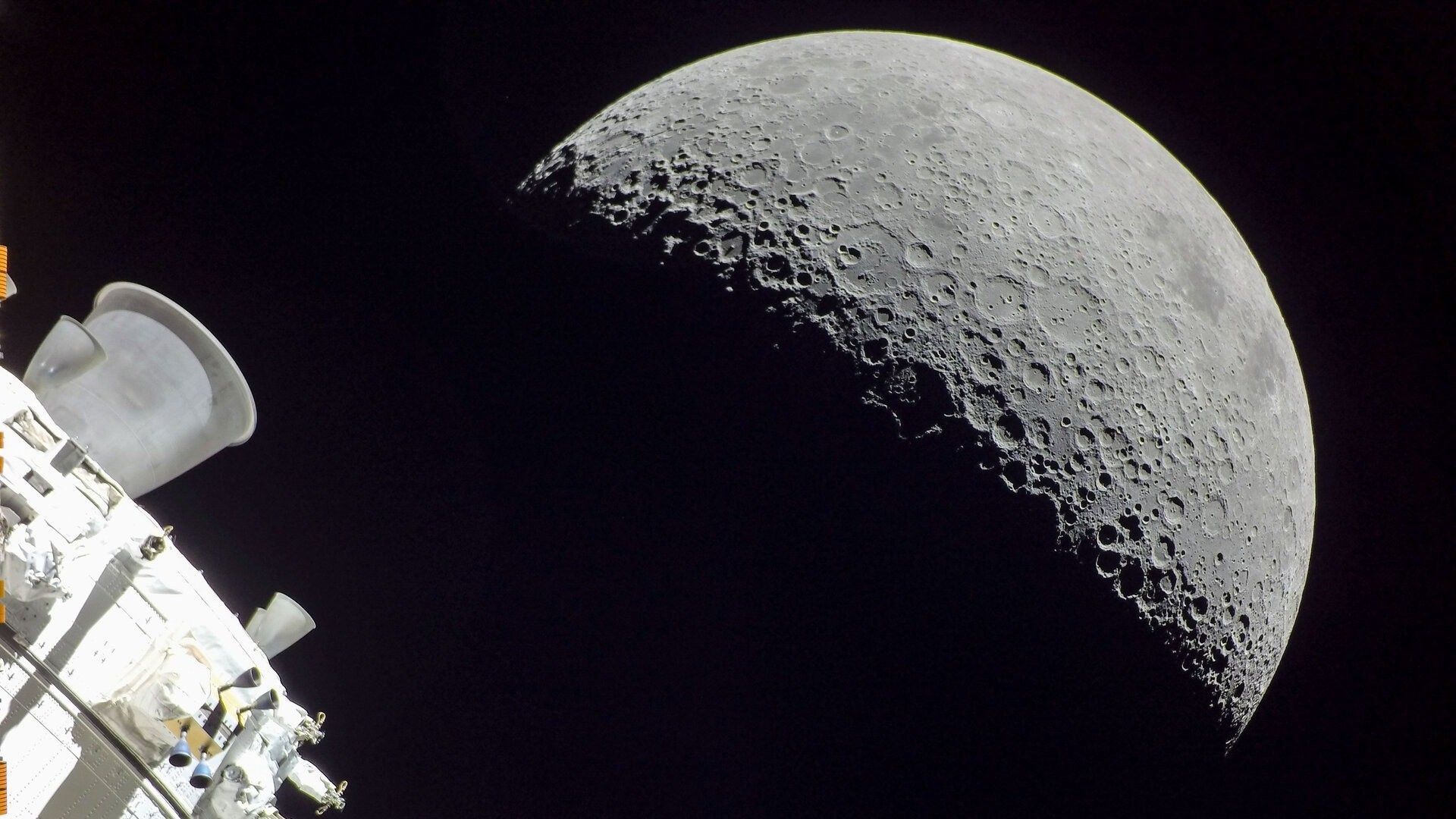
NASA’s upcoming Artemis 2 mission, slated to launch on April 1, will send a crew of four astronauts farther into space than any human has traveled since the Apollo program. This historic journey—a ten-day loop around the Moon—carries a new set of risks: exposure to dangerous levels of space radiation. Unlike Earth-bound missions, Artemis 2 will venture beyond the protection of the planet’s magnetic field, leaving the crew vulnerable to solar flares, coronal mass ejections (CMEs), and high-energy cosmic rays.
The Growing Threat of Space Radiation
Solar activity is cyclical, peaking in what’s known as solar maximum. Though activity may be waning, extreme storms are still possible. Solar flares and CMEs eject massive bursts of charged particles that, without Earth’s atmosphere and magnetic field as a shield, can pose a serious health risk to astronauts. Cosmic rays, originating from beyond our solar system, present an additional and ongoing hazard.
Why this matters: Space radiation isn’t just a theoretical concern. High doses can damage DNA, increase cancer risk, and even cause acute radiation sickness. Ensuring crew safety requires real-time monitoring and forecasting of space weather.
Enhanced Forecasting and Collaboration
To mitigate these risks, NASA and the National Oceanic and Atmospheric Administration (NOAA) are working together to provide enhanced space weather support. The Space Weather Prediction Center (SWPC) is deploying forecasters directly to NASA’s Johnson Space Center in Houston during the mission.
“We at SWPC are fully prepared to support the Artemis 2 mission,” says Shawn Dahl, a service coordinator at SWPC.
This collaboration ensures that decisions about crew safety can be made quickly, based on the latest data. The SWPC team will work alongside NASA’s Space Radiation & Analyses Group (SRAG), providing instant decision-support in the event of a solar energetic proton event (SPE).
Testing and Preparedness
In April and May of 2025, a large-scale testbed exercise involving over 70 participants from NASA, the U.S. Air Force, commercial space companies, and research institutions was conducted at SWPC. The exercise simulated a radiation storm, strengthening collaboration and evaluating space weather products.
The goal: Not just to support Artemis 2, but to refine forecasting for future deep-space missions, including a crewed lunar outpost and eventual human expeditions to Mars.
Optimism Grounded in Data
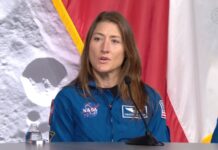
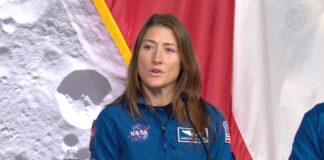
Despite the inherent risks, NASA officials express confidence in their preparedness. Jamie Favors, NASA’s space weather program director, emphasized the improvements in both technical capabilities and communication between agencies.
“From a purely space weather perspective, I think we’re feeling optimistically confident right now,” Favors said.
The approach relies on consensus-building models, similar to hurricane forecasting: integrating multiple data sources to refine predictions. The teams from NOAA’s SWPC, NASA’s SRAG, and the Moon to Mars Space Weather Analysis Office will operate around the clock during the mission, monitoring conditions and providing alerts as needed.
The mission will rely on a constant flow of data from both in-space assets and ground observations, continuously feeding into forecasting models.
The bottom line: Artemis 2 marks a significant step towards deep-space exploration, but it also underscores the critical need for robust space weather forecasting and collaborative risk management. NASA and NOAA are taking this threat seriously, and their joint preparations aim to ensure the crew’s safety as they venture beyond the protective embrace of Earth.