
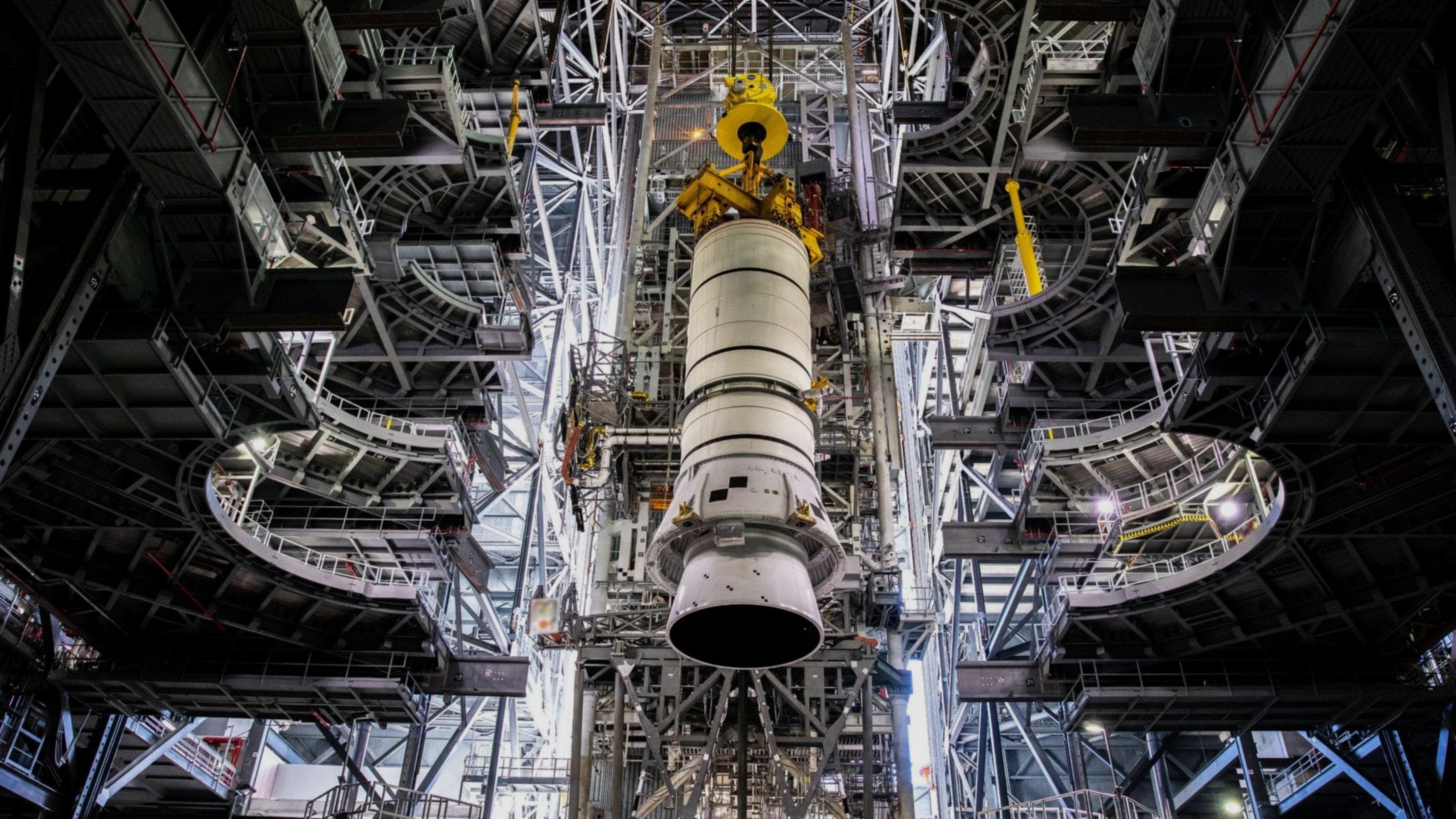

NASA is gearing up for a major milestone in its Artemis program: the first human mission to the Moon in over 50 years. This weekend, on Saturday, January 17th, no earlier than 7 a.m. ET, the agency will begin rolling its massive Space Launch System (SLS) rocket and Orion capsule from the Vehicle Assembly Building to Launch Pad 39B at Kennedy Space Center in Florida.
The Rollout: A Slow, Careful Journey
The SLS stack – weighing in at 11 million pounds (5 million kilograms) – will make its way across a 4-mile route at a leisurely pace of approximately 1 mph (1.6 km/h). The journey is expected to take up to 12 hours, and NASA will stream the entire process live on its YouTube channel. This deliberate speed is not about efficiency; it’s about minimizing stress on the vehicle and ensuring every system is monitored during transit.
Why This Matters: Beyond Just a Launch
This rollout marks a pivotal step toward a crewed lunar orbit. Artemis 2 will carry four astronauts on a 10-day flight around the Moon and back, serving as a critical test run for the Artemis 3 mission – which aims to land humans on the lunar surface by 2028. The program represents a resurgence in lunar exploration, driven by both scientific ambition and long-term strategic goals.
The SLS: A Beast of Engineering
The Space Launch System is the most powerful rocket ever built, standing at 212 feet (65 meters) tall. Its core stage generates an astounding 8.8 million pounds (3.9 million kg) of thrust, enough to propel the Orion capsule into space. The rocket will run on over 700,000 gallons (2.6 million liters) of cryogenic propellant, which will be thoroughly tested during a wet dress rehearsal later this month.
Delays and Preparations
The mission is currently scheduled for a February launch, though it’s already 15 months behind the initial timeline. NASA attributes the delay to extra preparation needed for the Orion capsule to ensure crew safety. Before launch, NASA will conduct a comprehensive flight-readiness review, including a full launch countdown simulation and practice propellant removal procedures.
“We have important steps remaining on our path to launch and crew safety will remain our top priority at every turn, as we near humanity’s return to the Moon,” said Lori Glaze, NASA’s Exploration Systems Development Mission Directorate.
The Artemis 2 mission is more than just a test flight; it’s a demonstration of NASA’s renewed commitment to deep-space exploration, and a stepping stone to a sustainable lunar presence.