






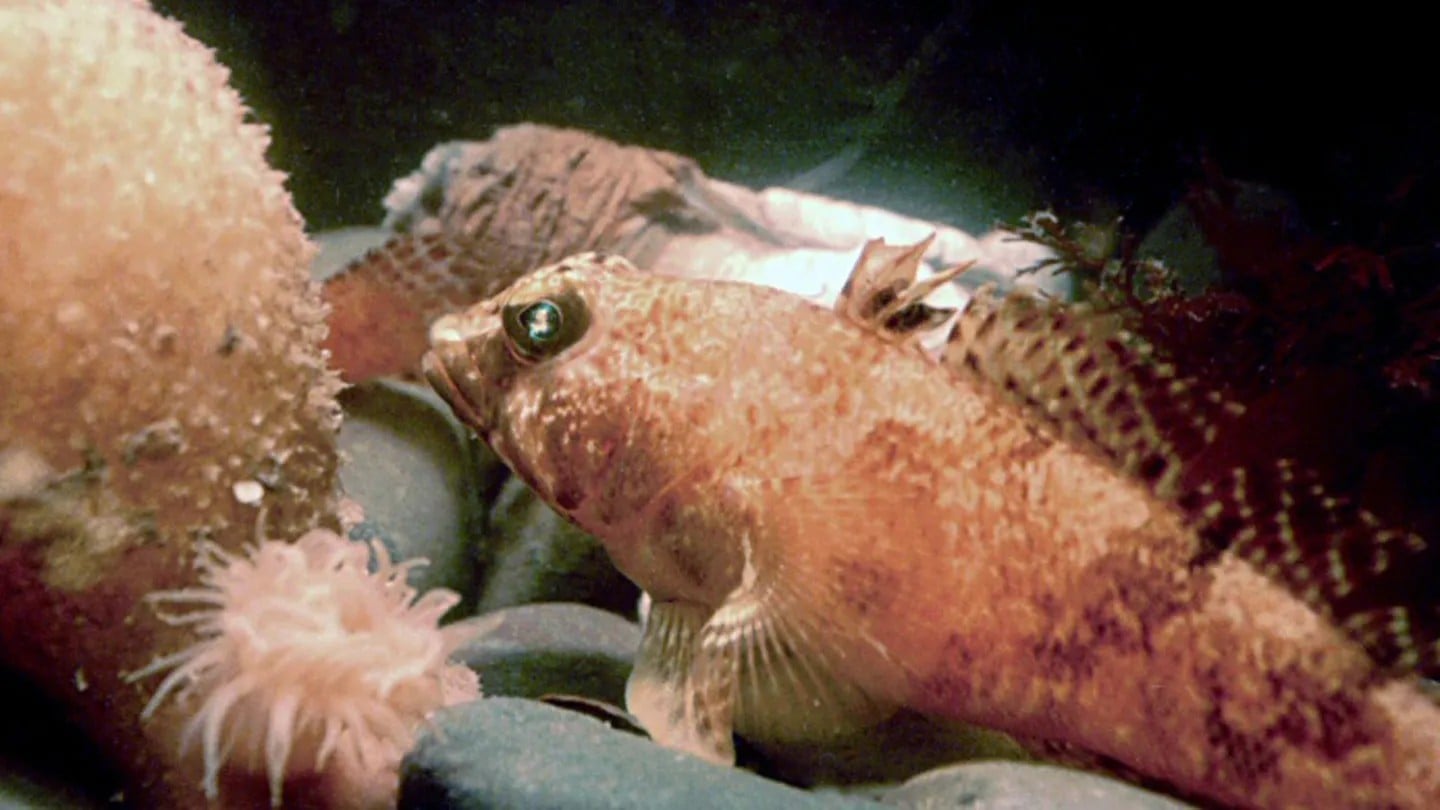
Antarctic fish in the Weddell Sea demonstrate surprisingly organized nesting behavior, constructing neighborhoods of nests in distinct and repeating patterns. This discovery, recently published in Frontiers in Marine Science, highlights the complexity of Antarctic ecosystems and reinforces arguments for their preservation.
Unique Nest Arrangements
Underwater footage revealed over 1,000 nests built by yellowfin rockcod arranged in five consistent formations: clusters, crescents, U-shapes, lines, and ovals. Some nests were solitary, but the majority formed organized groupings. Researchers initially puzzled over the perfectly shaped imprints on the seafloor, dismissing earlier theories that they were made by seals or falling ice.
The consistency of these formations suggests that the fish deliberately plan their nesting locations, likely to enhance protection for their eggs against predators. Clustering appears to be a common strategy, with multiple nests grouped closely together. Larger, solo nests may be used by fish that rely less on collective defense.
Ecological Significance and Threats
The Weddell Sea, already known for hosting the world’s largest colony of breeding fish, now showcases another layer of ecological sophistication. This reinforces the importance of protecting this unique environment from emerging threats.
Several nations are interested in exploiting Antarctic resources through seabed mining or fishing, despite current international treaty protections. Marine biologist Thomas Desvignes emphasizes that this new research “offers one more reason why we should protect the Weddell Sea.” Disrupting these ecosystems could devastate local wildlife and undermine the stability of this delicate environment.
Ongoing Research
Further expeditions are needed to determine how many fish utilize the nests and whether the clusters serve as decoys or communal defense structures. Understanding the full extent of this behavior will be crucial for effective conservation efforts. The initial discovery was made in 2019, after a large chunk of ice broke off the Larsen Ice Shelf, exposing previously unexplored seafloor.
The deliberate arrangement of nests underscores that Antarctic ecosystems are not just barren, icy landscapes, but complex, living communities worthy of safeguarding.