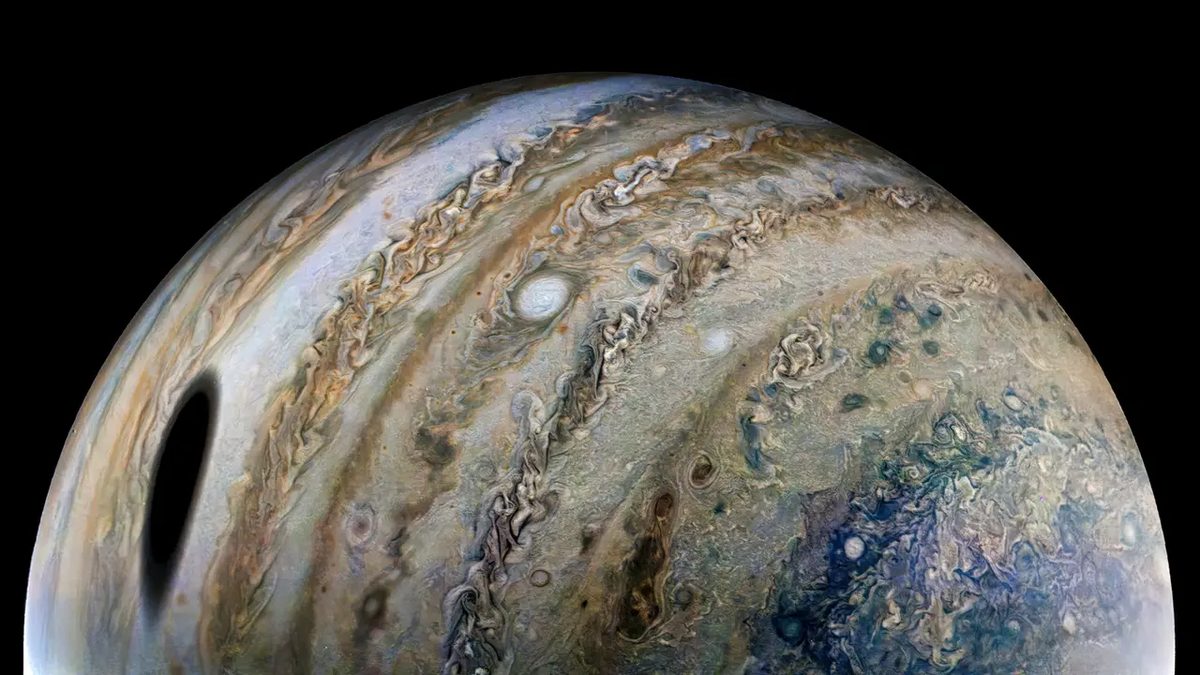
Jupiter has officially taken the crown. It is now the planet in our solar system with the most confirmed moons, surpassing Saturn, which currently has 83 moons.
This is not a static title. The race is still on.
New moons are regularly observed around gas giants. They hid in plain sight for centuries. Their small size makes them faint. Due to their distance, they are difficult to detect. So far they have just gone unnoticed.
Key Takeaway: The rate of detection of irregular moons will accelerate as telescopes and detection methods improve.
Why counting is important
The number is not just a trivial statistic. It tells the story of the formation of these planets.
Moons can be divided into two broad categories. Regular moons orbit near the planet. They move in the same direction as the planet rotates. They probably formed from the same sheet of gas and dust.
Irregular moons are different. They are far away. Their orbits are tilted. Some even move backwards against the rotation of the planet. These are probably captured asteroids or fragments from impacts.
Finding them will help scientists map the chaotic history of the solar system. It shows where the material comes from. It shows how gravity shaped the outer planets.
Detection challenge
These hidden moons are hard to spot.
They reflect very little sunlight. They are small, often only a few kilometers in size. They orbit millions of kilometers from their host planet.
Modern telescopes can now see them. In long exposure mode, faint smudges are visible. The software tracks their movement against the background stars. Each new observation adds to the tally.
Jupiter’s visibility increased significantly due to its deep gravity. It attracted more objects over time. Saturn is close behind. The gap between them is narrow. Additional discoveries may change the ranking again.
What next?
The outer solar system is not empty space. It is full of ice, rock and dust.
The sharper the instruments get, the bigger the number gets. There are new moons. Old records are being broken. The solar system is bigger and more complex than we thought.
Curiosity guides the search. Every new moon is a clue. A clue as to how we got here.
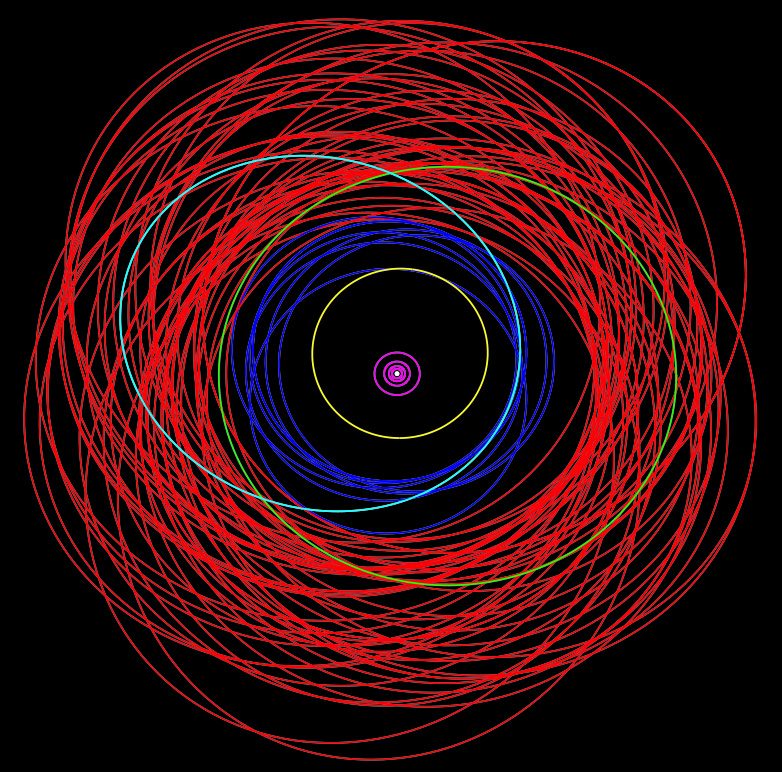

Jupiter just got a little bigger. In many ways. The largest planet in the solar system now has 92 confirmed moons. That’s an amazing number, and it continues to rise. The Minor Planet Center added the latest group of twelve new satellites to its official catalog on December 20. These are not known giants like Ganymede or Callisto. These are distant, dark outliers.
Why is the number of Jupiter’s moons exploding?
Most of these new moons orbit the planet far away. Distance is a crucial detail here. Nine of them take more than 550 days to complete one round. That’s over a year and a half in Jupiter’s time. Their orbits are also very irregular. Most follow the retrograde path. This means that they rotate in the opposite direction to the direction of the planet’s rotation.
Retrograde orbits are a sign. They suggest that these bodies were not born next to Jupiter. Instead, they were likely captured. The massive gravity of the planet pulled them in and trapped them from the surrounding space. It’s a violent process that’s invisible to us but essential to how the giant planets gather their entourage.
What these little moons reveal
Size is another defining characteristic. These twelve new moons are small. The largest is a little over 8 kilometers in diameter. The rest are even smaller. Scientists believe they are fragments. Debris from collisions between ancient large bodies or captured asteroids. Over billions of years, impacts have broken apart larger objects and left behind these small, rocky remnants.
Studying them helps us understand the early solar system. It shows how Jupiter acted as a gravitational vacuum, cleaning up the space around it. Each moon is part of this story. A frozen snapshot of the chaos that shaped the outer planets.
Future Missions to the Outer Moons
Could we visit them? Perhaps. Future missions to Jupiter could be looked at more closely. The European Space Agency’s Juice spacecraft is scheduled to launch in April. Its main target is the icy moons of Jupiter, but it could also study the larger outer moons. Although these small, distant satellites are unlikely targets for close flybys, they are part of the same system. Understanding their orbits helps scientists design safer and more efficient missions.
“The discovery of these distant moons highlights the complexity of Jupiter’s gravitational reach.”
The count of 92 moons is not just a number. It is a record of a dynamic, evolving system. As telescopes improve, we’ll likely find more. The question is no longer whether Jupiter has more moons. It’s when we’ll find them next. And what stories they tell about the solar system’s past.

The hidden population of Saturn’s rings
Jupiter currently holds the title for most moons, but Saturn’s count is almost certainly incomplete. Most of Saturn’s existing satellites are the shattered remnants of a single massive impact that shattered the large moon hundreds of millions of years ago. It is incredibly difficult to find every surviving fragment in orbit.
Brett Gladman of the University of British Columbia points out the shocking reality: If we could find all the objects larger than 3 kilometers that orbit Saturn, the planet would have more moons than the rest of the solar system combined.


The real story is not the press release. It depends on what happens next.
News rounds move quickly. Algorithms reward speed over substance. Maybe you see a headline about a breakthrough in quantum computing or a new battery material and think it’s going to change everything today. That is not the case. Most of these updates are incremental. Small steps. But they are important.
Why do we keep reading? Because curiosity is a habit. And because the future is created in laboratories, not in headlines.
The gap between announcement and application is wide. And deep.
Scientists do not work in silence. They publish. They present. They argue. You can follow this thread. Through journals. Through conferences. Through the messy, unpolished reality of research.
It’s not always pretty. It’s often boring. Reiteration. Failure. More repetition. But then. A result. A signal.
Therein lies the value. Not in the hype. In the data.
Do you want to understand science and technology? Don’t just read the news. Dive in. Read the papers. Follow the researchers. Question the claims.
The world is changing. Quickly.
Can you keep up? Or just watching?