



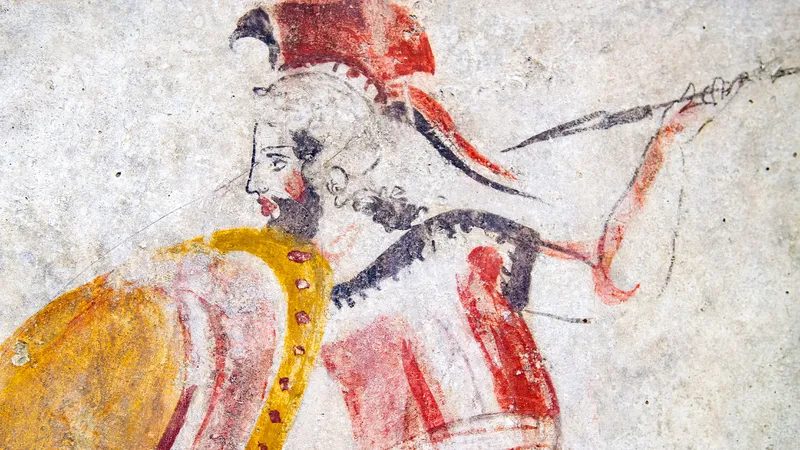
Ancient Rome didn’t just mark time. It celebrated it with blood, fire, and noise. The Secular Games were the ultimate expression of this. They weren’t your typical Roman holiday. There was no public feast for the masses. Instead, these were high-stakes religious ceremonies designed to reset the clock.
The concept came from the Etruscans. They believed a human generation lasted about 100 years. This wasn’t an exact science. It was a rough average meant to represent the maximum lifespan. When that century wound down, the Etruscans made offerings to underworld deities. The goal? Expiation. They wanted to cleanse the coming generation of past sins. It was a fresh start for the future.
The Romans adopted this practice but made it their own. They turned it into a three-day, three-night marathon of rituals. The calendar was fixed. The gods were numerous. Sacrifices were made to appease them all. But the pantheon changed over time.
At first, the focus was strictly on the chthonic gods. Deities of the underworld received the spotlight. The atmosphere was likely grim. Serious. Focused on mortality and renewal. But things shifted. The religious landscape expanded.
The festival lasted three days and three nights, during which sacrifices were made to various deities.
The change is attributed to Augustus. The emperor reigned from 27 BC to AD 14. He introduced Apollo, Diana, and Leto to the ceremony. Why? Probably to link his new regime to divine order. Apollo represented light and prophecy. Diana and Leto added a maternal and natural element. It was a smart political move wrapped in religious tradition.
These games marked the commencement of a new saeculum. A generation. A new era. For the Romans, this wasn’t just superstition. It was civic duty. It was survival.

The Long Road to the Jubilee
The timeline for these ancient Roman games is jagged. There is no steady rhythm here. The first attested ludi saeculares happened in 249 BC. Then silence. The next recorded one didn’t show up until 146 BC. Another gap. Then, finally, Augustus rolled out the third series in 17 BC.
This specific iteration had a soundtrack. Horace wrote the Carmen saeculare for it. The Secular Hymn. It was a big deal at the time.
Rome kept trying to keep the momentum going. They staged celebrations marking the city’s founding in AD 47. Then 88. Then 147. The list gets long quickly. 204. 248. 262. The frequency picked up as the empire aged, desperate for spectacle to hold things together.
By the year 1300, the tradition had shifted venues. It moved from the pagan coliseums to the Vatican. Pope Boniface VIII revived the concept. He renamed it the papal jubilee. The core idea remained: mark a massive passage of time. But the god of the games had changed.